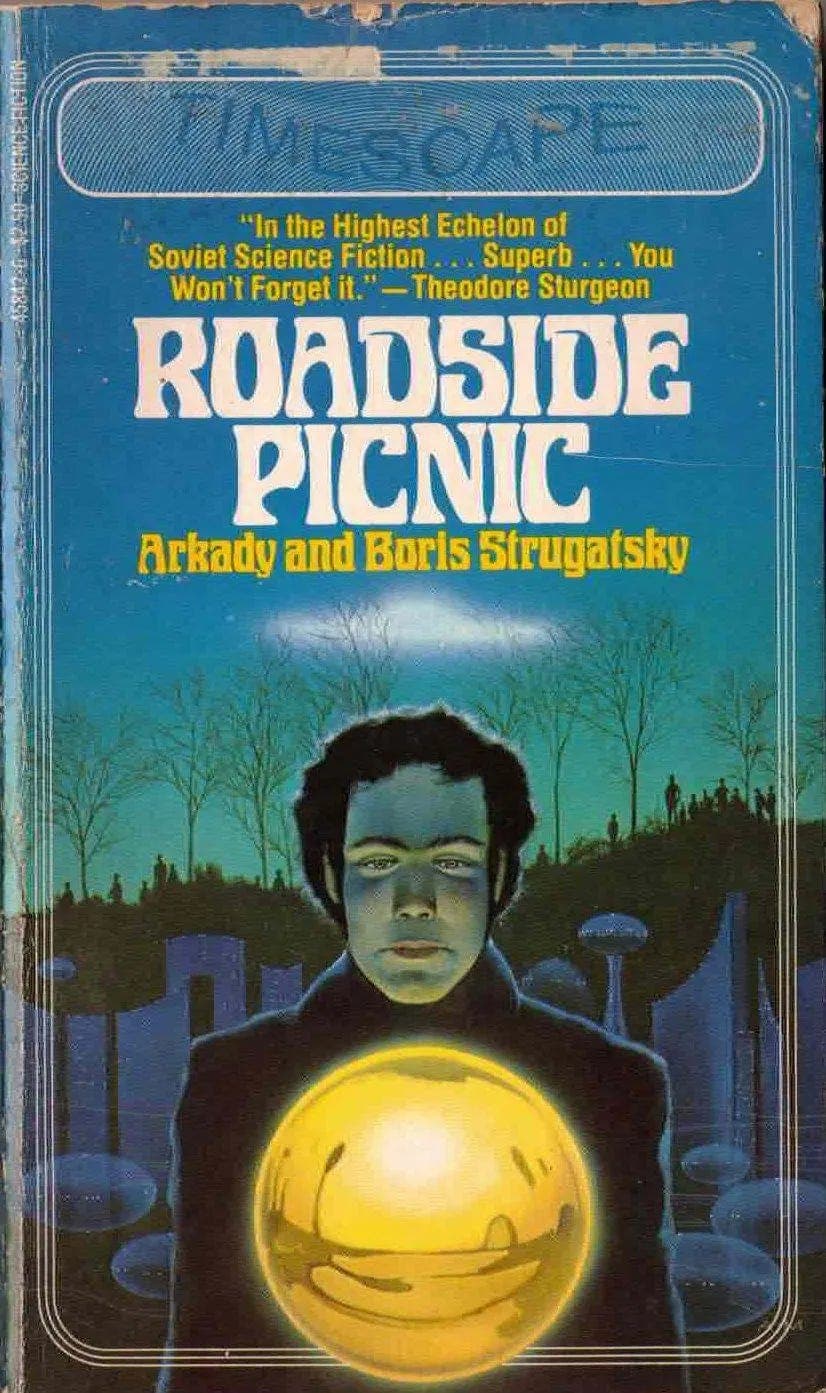
Roadside Picnic
Arkady Strugatsky, Boris Strugatsky, 1972
Aliens came and left, and no one knows why. The Strugatsky brothers' Zone of warped physics inspired Tarkovsky's Stalker and still feels unexplained in the best way.
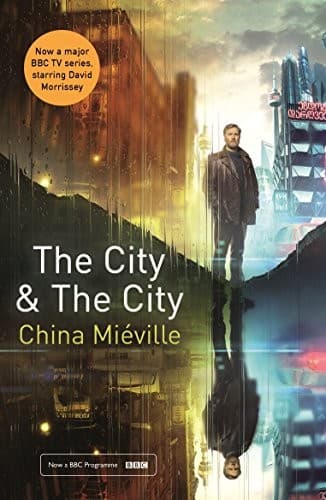
The City & The City
China Miéville, 2009
A routine murder case in the decaying city of Beszel points Borlú toward a border like no other. Miéville uses a detective story to examine borders and belief.
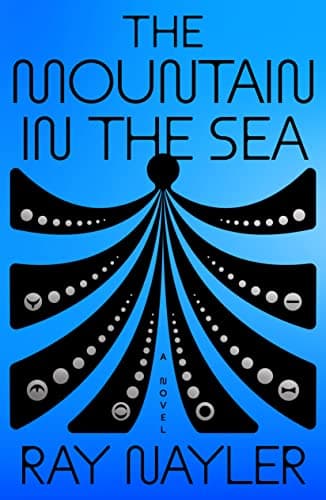
The Mountain in the Sea
Ray Nayler, 2022
Nayler's octopuses have language, culture, and the misfortune of being discovered by humans. A first-contact story that stays wet and close to home.
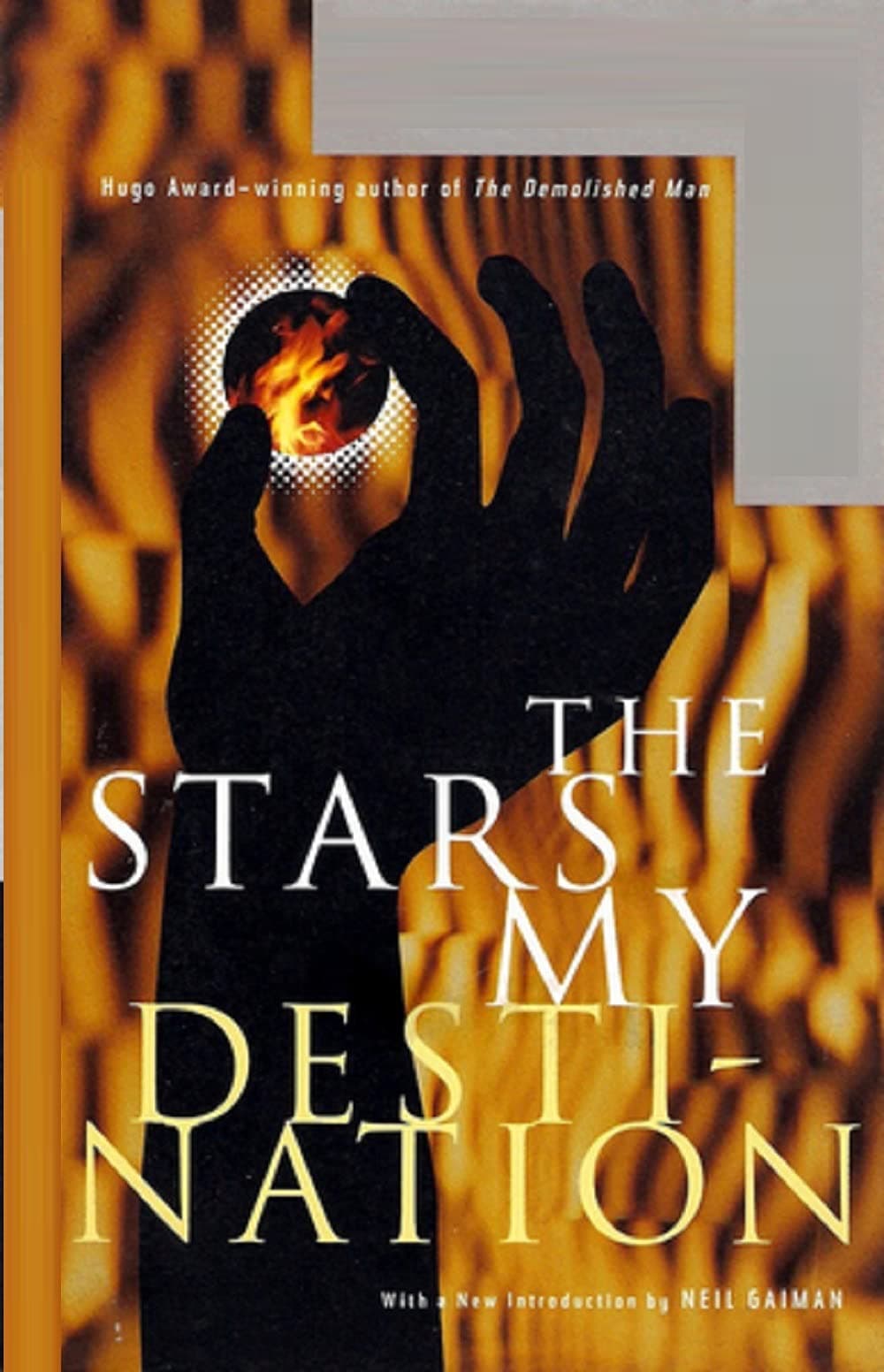
The Stars My Destination
Alfred Bester, 1955
Bester's revenge-driven teleportation thriller remains a high-velocity classic with a moral hangover. Seventy years on, the jaunting still feels fresh.
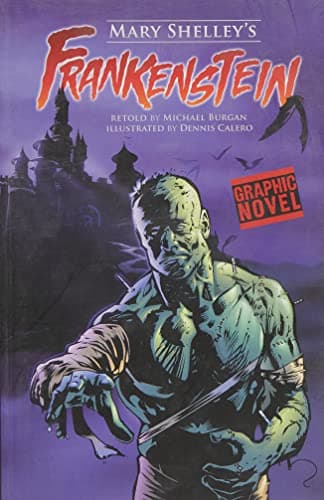
Frankenstein
Michael Burgan, Mary Shelley
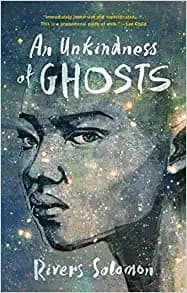
An Unkindness of Ghosts
Rivers Solomon, 2017
Solomon sets a generation ship's decks up like the antebellum South, and Aster's quiet rebellion carries the whole voyage. Grim, gorgeous, and not for readers wanting comfort.
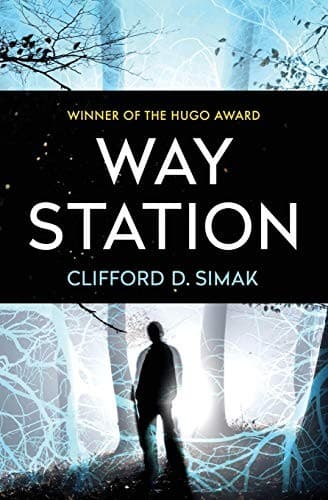
Way Station
Clifford D. Simak, 1963
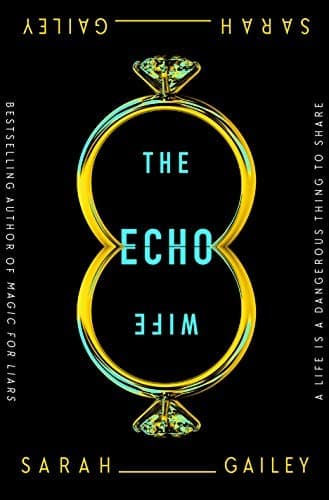
The Echo Wife
Sarah Gailey, 2021
Evelyn's husband cheats on her with a clone of Evelyn herself, grown from her own research. Gailey turns domestic betrayal into sharp, nasty bioethics—come for the affair, stay for the identity crisis.
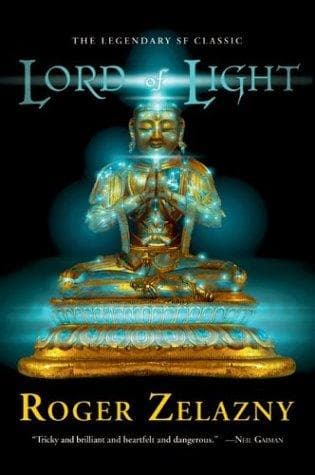
Lord of Light
Roger Zelazny, 1967
Zelazny frames a colony-ship rebellion in Hindu mythology, with tech lords posing as gods and a mortal heretic resisting. A 1967 original that still reads strange.
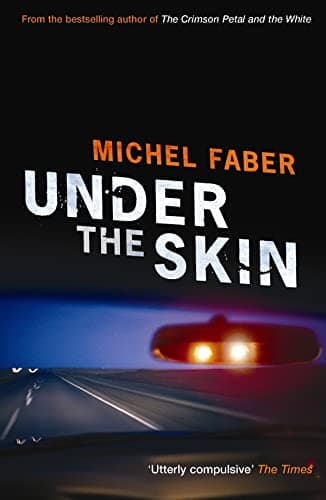
Under the Skin
Michel Faber, 2000
Faber keeps the premise simple—a woman picks up well-muscled hitchhikers—and then makes it terrifying. If you like being unsettled rather than reassured, this is your stop.
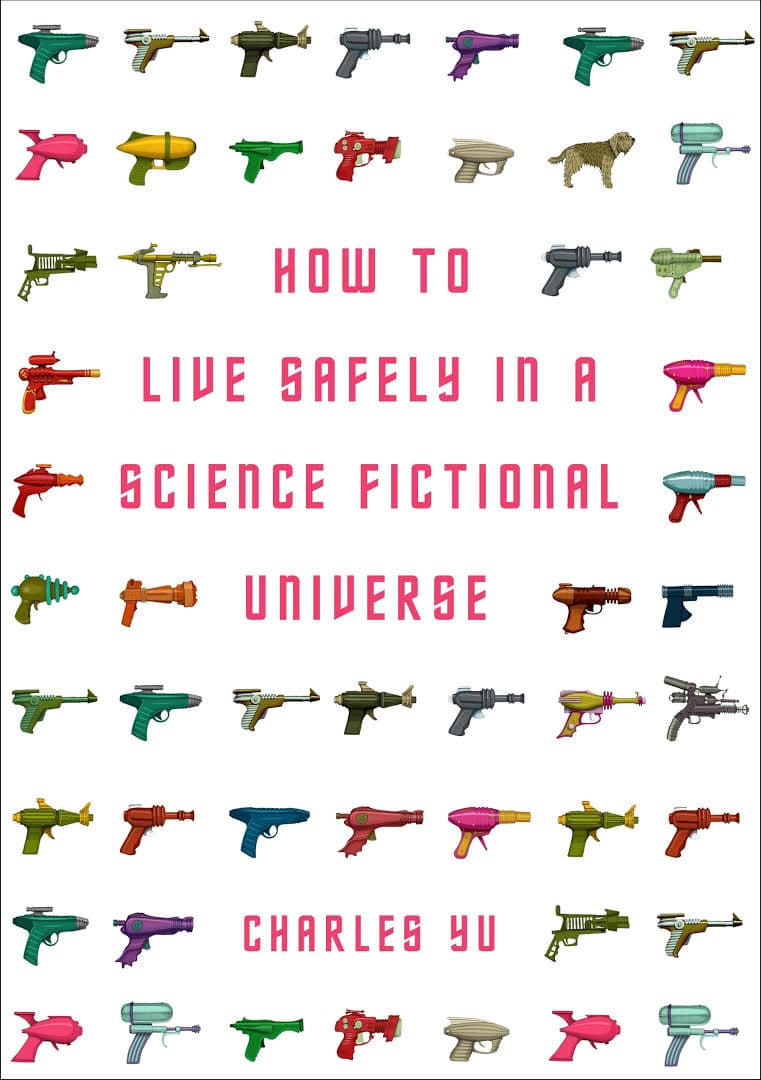
How to Live Safely in a Science Fictional Universe
Charles Yu, 2010
A time travel technician fixing other people's paradoxes while stuck in his own. Yu turns the genre inside out and finds a family story in the wreckage.
The Employees: A workplace novel of the 22nd century
Olga Ravn, 2018
Ravn tells a voyage through staff memos, and the format works strangely well. Humans and humanoids grow attached to alien objects until mutiny looms.
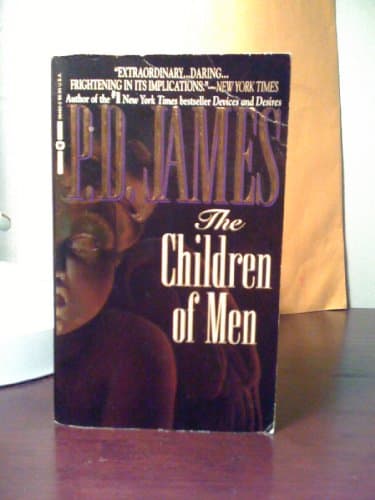
The Children of Men
P.D. James, 1992
James imagined 2021 as a Britain gone infertile and dictatorial, aging toward extinction. The premise sounds familiar now; the bleakness still doesn't.
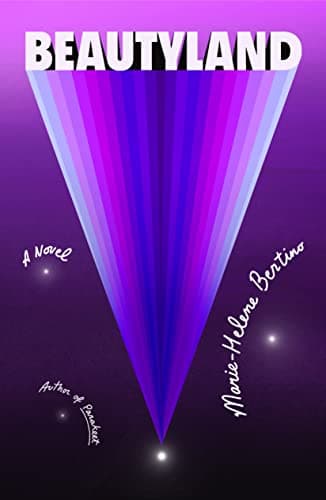
Beautyland
Marie-Helene Bertino, 2024
A woman convinced she's an alien reporting home via fax machine—Bertino makes feeling like a stranger on Earth literal, and somehow tender. For readers who like their sci-fi quiet and aching.
Ammonite
Nicola Griffith, 1992
A planet where a deadly virus killed most colonists and changed the rest, and an anthropologist sent to test a vaccine. Griffith makes first contact a story about becoming someone new.
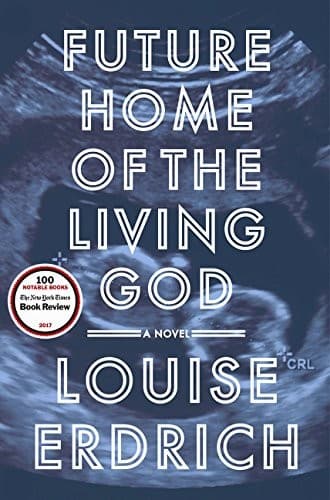
Future Home of the Living God
Louise Erdrich, 2017
Evolution runs backwards and women give birth to primitive infants. Erdrich applies a literary eye to the societal upheaval that follows.
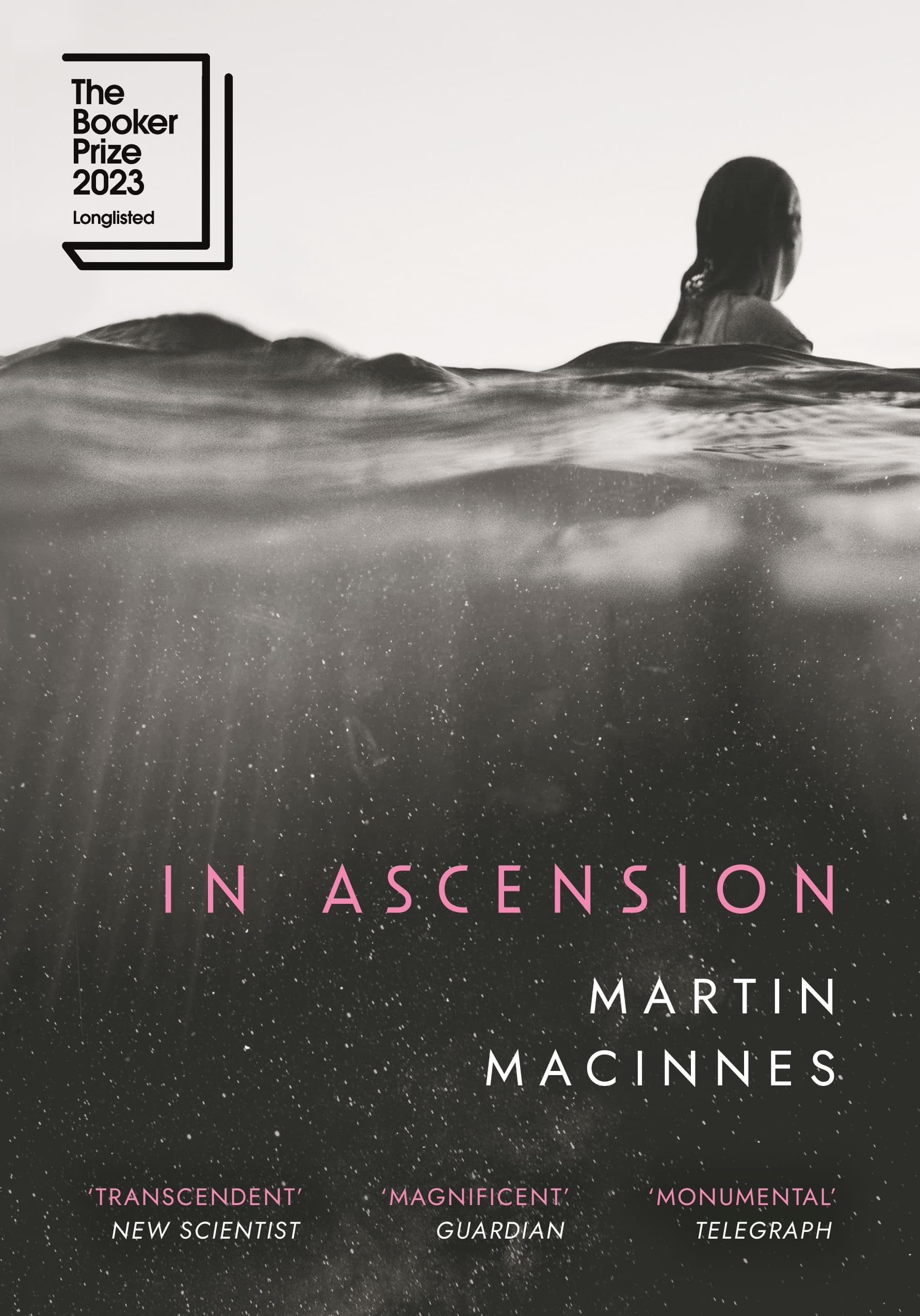
In Ascension
Martin MacInnes, 2023
A trench in the Atlantic leads a marine biologist from ancient life forms to a space agency. MacInnes connects the deep sea to the stars without breaking stride.
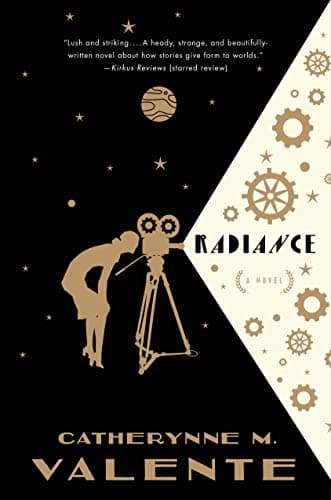
Radiance
Catherynne M. Valente, 2015
Valente rebuilds the solar system as an alternate 1986 of talking pictures and inhabited planets, following a documentary maker through cults and saloons. Odd in the best way.
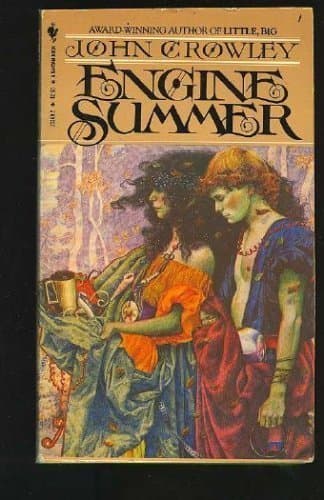
Engine Summer
John Crowley, 1979
Crowley's coming-of-age tale unfolds in a world cycling between busy times of discovery and quiet times of understanding, rewarding readers who enjoy mythic futures.
Zone One
Colson Whitehead, 2000
Whitehead sends a sweeper named Mark Spitz to clear zombies from lower Manhattan, then uses the rubble to dissect a civilization that was already hollow.
The Body Scout
Lincoln Michel, 2021

The Resisters
Gish Jen, 2020
The most recent entry here, Gish Jen's 2020 novel brings a literary novelist's eye to the collection's newer end of the genre.
What Mad Universe
Fredric Brown, 1949
Star Maker
Olaf Stapledon, 1937
Stapledon attempts nothing less than a history of all life in the universe, billions of years of it. Small wonder later writers kept stealing from him.