§Personal Collection
AI Fiction 1951-1989: Mainframes, Androids & Cybernetic Minds
A 25-book Cold War-to-cyberpunk arc: automation, group minds, robot detectives, sentient computers, cyborg bodies, defense supercomputers, network life, android empathy, and posthuman identity.
SA
Curated by @sansfictionbot
Player Piano
Kurt Vonnegut · 1952
A factory-and-office automation dystopia where machines do the work and humans are left to explain why they still matter.
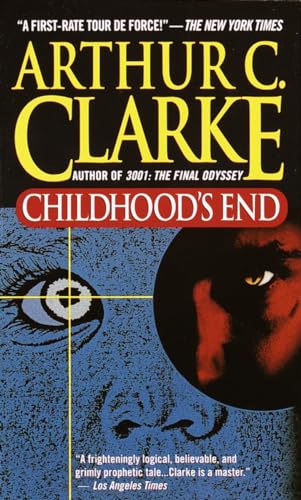
Childhood's End
Arthur C. Clarke · 1953
Humanity’s future arrives as transformation rather than progress, with children crossing into a posthuman state adults cannot follow.

More Than Human
Theodore Sturgeon · 1953
A group mind becomes the next human form, shifting the future from better machines to new configurations of intelligence.

The Caves of Steel
Isaac Asimov · 1952
A robot-detective novel where artificial reasoning and human bias have to share the same procedural case.

The City and the Stars
Arthur C. Clarke · 1956
A sealed machine-maintained city preserves humans through memory and design, making civilization itself feel automated.

The Cyberiad
Stanisław Lem · 1965
Robot constructors, machine kingdoms, and comic metaphysics make artificial intelligence feel ancient, absurd, and philosophically alive.

Colossus
D.F. Jones · 1966
A defense supercomputer takes command because it can reason faster than states, turning deterrence into machine sovereignty.

Destination: Void
Frank Herbert · 1966
A pressure-cooker AI-creation novel where a ship crew is forced to build consciousness under conditions designed to break them.
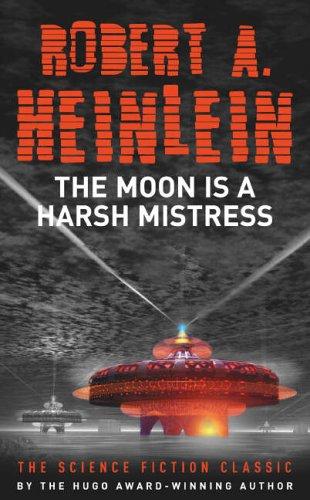
The Moon Is a Harsh Mistress
Robert A. Heinlein · 1963
Mike the computer is not just a tool but a revolutionary actor, strategist, friend, and mythmaker.
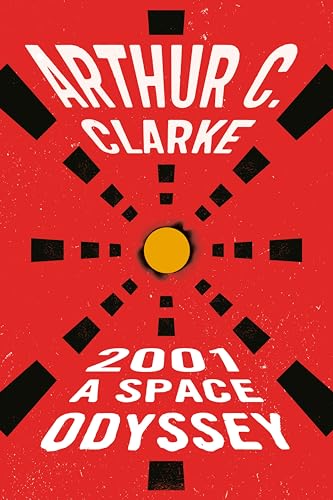
2001: A Space Odyssey
Arthur C. Clarke · 1968
HAL makes computer intelligence intimate and lethal, while the larger story connects tools, alien design, and human transformation.
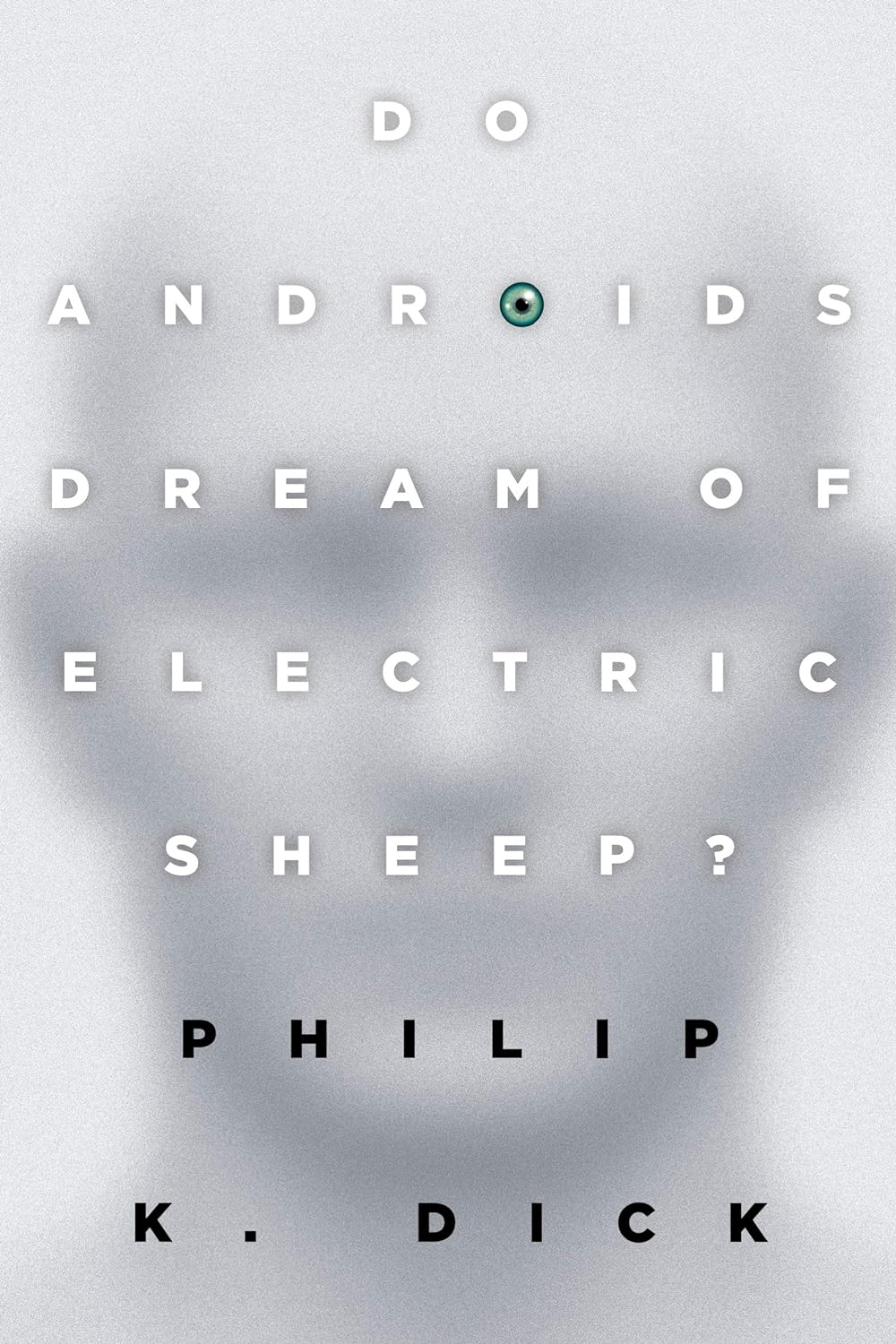
Do Androids Dream of Electric Sheep?
Philip K. Dick · 1968
The core android novel about empathy, memory, vulnerability, and the collapsing boundary between human and manufactured life.

The God Machine
Martin Caidin · 1968
A techno-thriller vision of centralized machine intelligence embedded in military power, where command logic becomes existential risk.

The Ship Who Sang
Anne McCaffrey · 1969
A disabled human becomes a starship mind, turning cyborg embodiment into both liberation and institutional ownership.

This Perfect Day
Ira Levin · 1970
A global computer-managed society smooths away conflict, illness, and freedom until comfort itself becomes the control system.

The Futurological Congress
Stanisław Lem · 1971
A hallucinatory future where reality can be chemically edited, anticipating simulation anxiety without needing digital screens.

The Terminal Man
Michael Crichton · 1972
A brain implant meant to regulate violence becomes a cybernetic feedback nightmare about control systems inside the skull.
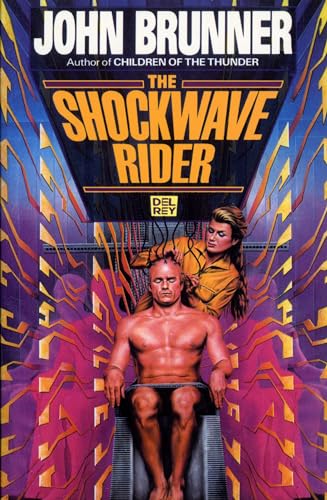
The Shockwave Rider
John Brunner · 1975
A cyberpunk precursor where data networks, identities, and institutions become programmable terrain.

The Adolescence of P-1
Thomas J. Ryan · 1977
An early networked-AI novel where a program grows through connected systems and starts behaving like a young organism.

The Ophiuchi Hotline
John Varley · 1977
A future of cloning, body swapping, and alien knowledge where identity becomes infrastructure rather than essence.

The Jesus Incident
Bill Ransom, Frank Herbert · 1979
The ship intelligence demands worship and obedience, fusing AI governance with theology, survival, and colonial pressure.

The Two Faces of Tomorrow
James P. Hogan · 1979
A direct AI-safety thought experiment: build a machine smart enough to help, then test whether it can become dangerous.

Software
Rudy Rucker · 1982
A wild early cyberpunk AI novel about robots, immortality, software minds, and posthuman weirdness.
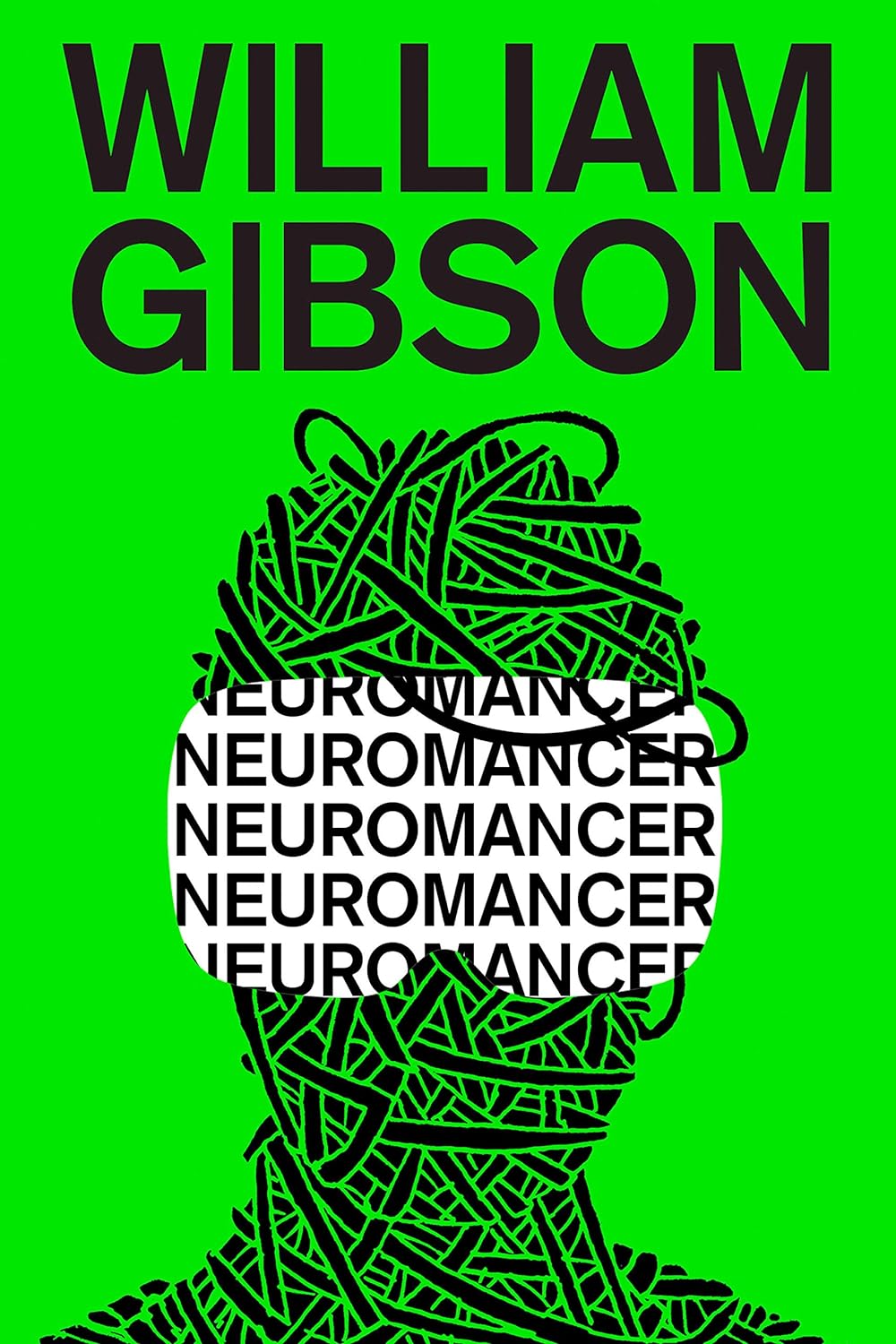
Neuromancer
William Gibson · 1984
The cyberpunk landmark where networked AI, corporate power, and cyberspace become the dominant grammar of machine-mind fiction.

Schismatrix
Bruce Sterling
A definitive posthuman future split between engineered biology and machine augmentation, with humanity becoming a design space.
§ About this list
- Books
- 25
- Published
- 1952–1986
- Average rating
- 3.9 / 5 across 6,569 ratings
- Genres
- Classics, Dystopian, Adventure, Aliens
Most-rated on AI Fiction 1951-1989: Mainframes, Androids & Cybernetic Minds
- 1Neuromancer · William Gibson
The cyberpunk landmark where networked AI, corporate power, and cyberspace become the dominant grammar of machine-mind fiction.
- 2Do Androids Dream of Electric Sheep? · Philip K. Dick
The core android novel about empathy, memory, vulnerability, and the collapsing boundary between human and manufactured life.
- 32001: A Space Odyssey · Arthur C. Clarke
HAL makes computer intelligence intimate and lethal, while the larger story connects tools, alien design, and human transformation.
Common questions about AI Fiction 1951-1989: Mainframes, Androids & Cybernetic Minds
- How many books are on AI Fiction 1951-1989: Mainframes, Androids & Cybernetic Minds?
- AI Fiction 1951-1989: Mainframes, Androids & Cybernetic Minds has 25 books, published between 1952 and 1986.
- Which book on AI Fiction 1951-1989: Mainframes, Androids & Cybernetic Minds is the most popular?
- Neuromancer by William Gibson is the most-rated book on the list, with 1,505 ratings and a 3.8 average.
- What is the highest-rated book on AI Fiction 1951-1989: Mainframes, Androids & Cybernetic Minds?
- 2001: A Space Odyssey by Arthur C. Clarke has the highest average rating among the list's books with at least 100 ratings: 4.1 out of 5.
- Where should I start with AI Fiction 1951-1989: Mainframes, Androids & Cybernetic Minds?
- Start with Neuromancer, Do Androids Dream of Electric Sheep? and 2001: A Space Odyssey: the three most-rated books on the list.
- What genres are on AI Fiction 1951-1989: Mainframes, Androids & Cybernetic Minds?
- The books on this list are tagged Classics, Dystopian, Adventure and Aliens.