Navigable aircraft, practical submarines, and space flight were still far off in the nineteenth century when adventurous fiction began depicting extraordinary journeys into uncharted realms, most famously in Around the World in Eighty Days. French author Jules Verne wrote extensively about underwater, aerial, and astronomical travel decades before these technologies existed, earning him recognition alongside H. G. Wells as a pioneer often called the Father of science fiction.
Career & Background
Born on February 8, 1828, in Nantes, France, Jules Verne was sent to Paris by his father to complete law studies, expecting him to take over a solicitor's practice. Instead, Verne turned toward literature and the theatre, serving as secretary of the Théâtre Lyrique from 1852 to 1854 while publishing plays, short stories, and scientific essays. His trajectory changed in 1861 when he met publisher Pierre-Jules Hetzel, who published Five Weeks in a Balloon and went on to publish the popular series known as the Voyages Extraordinaires.
Verne's popularity grew rapidly through his collaboration with Hetzel, earning him recognition from the Académie française, which awarded him the Montyon Award in 1872. Over his career, he authored scores of adventure and speculative novels that reached global audiences. He spent his later years in Amiens, France, where he died on March 24, 1905, leaving behind a vast body of literature that continued to be translated and published long after his death.
Writing Style & Themes
Verne's narrative approach combined rigorous geographic and technological detail with imaginative speculation. His stories frequently centered on intrepid expeditions, technological innovations, and the exploration of uncharted environments. By grounding extraordinary voyages—such as deep-sea dives or lunar projectiles—in the scientific knowledge of his era, Verne created plausible depictions of future technologies long before they became practical realities.
Major Works
- Journey to the Center of the Earth — Published in 1864, this novel follows an expedition down through an Icelandic volcano into a subterranean world filled with prehistoric life and geological marvels.
- From the Earth to the Moon — Published in 1865, this speculative work details a Baltimore gun club's ambitious attempt to build a giant cannon capable of launching a manned projectile to the moon.
- Twenty Thousand Leagues Under the Sea — Serialized between 1869 and 1870, this novel introduces Captain Nemo and his advanced submarine, the Nautilus, as they navigate the depths of the ocean.
- Around the World in Eighty Days — Published in 1873, this famous adventure follows Phileas Fogg and his valet Passepartout as they attempt to circumnavigate the globe using steamships, railways, and novel travel methods on a strict wager.
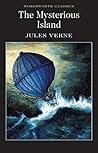
- The Mysterious Island — Published in 1875, this novel tells the story of five American castaways who use scientific ingenuity to survive and thrive on a remote Pacific island, where they eventually encounter Captain Nemo.