Dune Universe (Chronological)
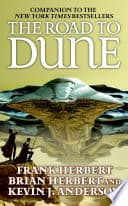
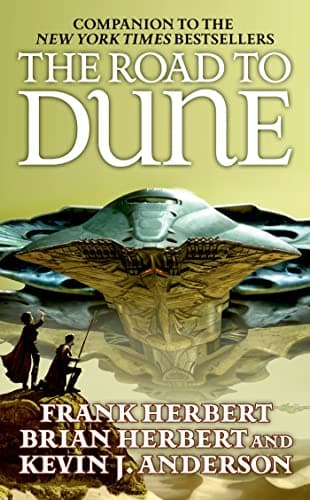
The Road to Dune serves as a literary bridge between the foundational masterpiece of science fiction and the raw creative impulses that birthed it. It offers a rare window into the meticulous labor of world-building, where the shifting sands of Arrakis were once a different landscape entirely, populated by characters whose fates were not yet etched in stone. Through a blend of discarded narratives and primary source correspondence, the collection reveals the friction between an author’s vision and the editorial constraints of mid-century publishing, providing a granular look at the architecture of a galactic empire.
At its heart, this collection explores the mechanics of myth-making and the evolution of political and ecological themes that would eventually redefine the genre. By presenting the alternate-path novel "Spice Planet" alongside Frank Herbert’s personal letters, the book frames the Dune universe not as a static monument, but as a living experiment in sociology and planetary science. It captures the tension of an author struggling to balance the intricacies of feudal politics with the unforgiving realities of an alien ecology.
The setting explored in these early drafts and alternate stories operates on the principle of extreme scarcity. Unlike many space operas that focus on technological surplus, this world is defined by what it lacks: water and safety. The atmosphere is one of stifling political maneuvering, where "spice" is not merely a commodity but the singular pivot point for universal commerce. The rules of this world are governed by a "Great Convention" that prevents total nuclear annihilation, forcing conflict into the shadows of assassination, economic sabotage, and the slow, grinding influence of religious conditioning.
The character dynamics center on the friction between personal desire and the heavy machinery of a feudal legacy. The protagonist’s journey begins with the realization that their life is not their own, but a tool for the survival of their House. The relationship between the patriarch and his heir is defined by the transmission of "pragmatic survivalism"—teaching the young to see the world as a series of interconnected systems where a single misstep in water discipline or political etiquette can lead to total extinction. This development focuses on the loss of innocence in exchange for a cold, systemic understanding of power.
The Road to Dune highlights how Frank Herbert subverted the "Planetary Romance" trope. Instead of a hero arriving to conquer and civilize a wild frontier, the narrative structure suggests that the frontier—the desert—is what will eventually reshape and consume the hero. It replaces the traditional "Chosen One" narrative with a more cynical "Manufactured One" concept, hinting that legends are often the result of long-term psychological operations and strategic planning rather than divine providence. The book emphasizes ecology as a primary antagonist, shifting the conflict from "Good vs. Evil" to "Organism vs. Environment."
Beyond the fiction, the inclusion of "They Stopped the Moving Sands" provides the non-fiction foundation for the entire series. It details the real-world ecological struggle in Oregon that inspired Herbert to view a desert not as a void, but as a fluid, moving force. The collection functions as a mechanical breakdown of how a single environmental observation can be layered with sociology, religion, and economics to create a coherent, immersive reality. It tracks the evolution of the Melange from a simple drug to a multi-layered metaphor for finite resources and human dependency.
Add to your library to track progress and write reviews
Find The Road to Dune Brian Herbert in PDF, EPUB, ebook, audiobook, print, or library editions.
Dune Universe (Chronological)
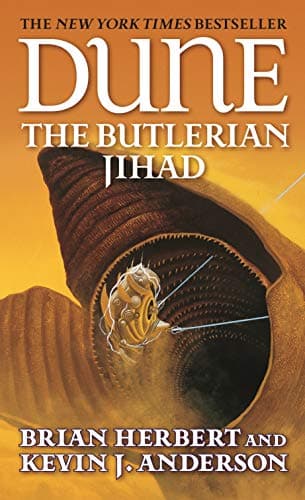
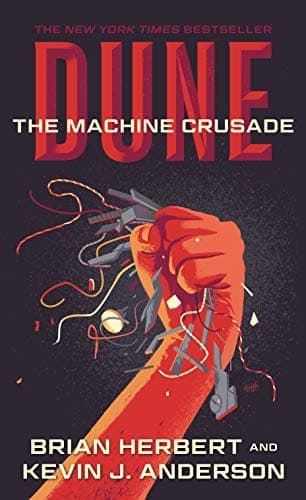
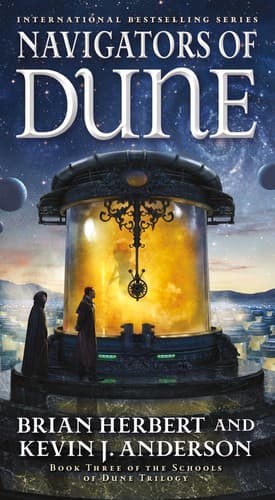
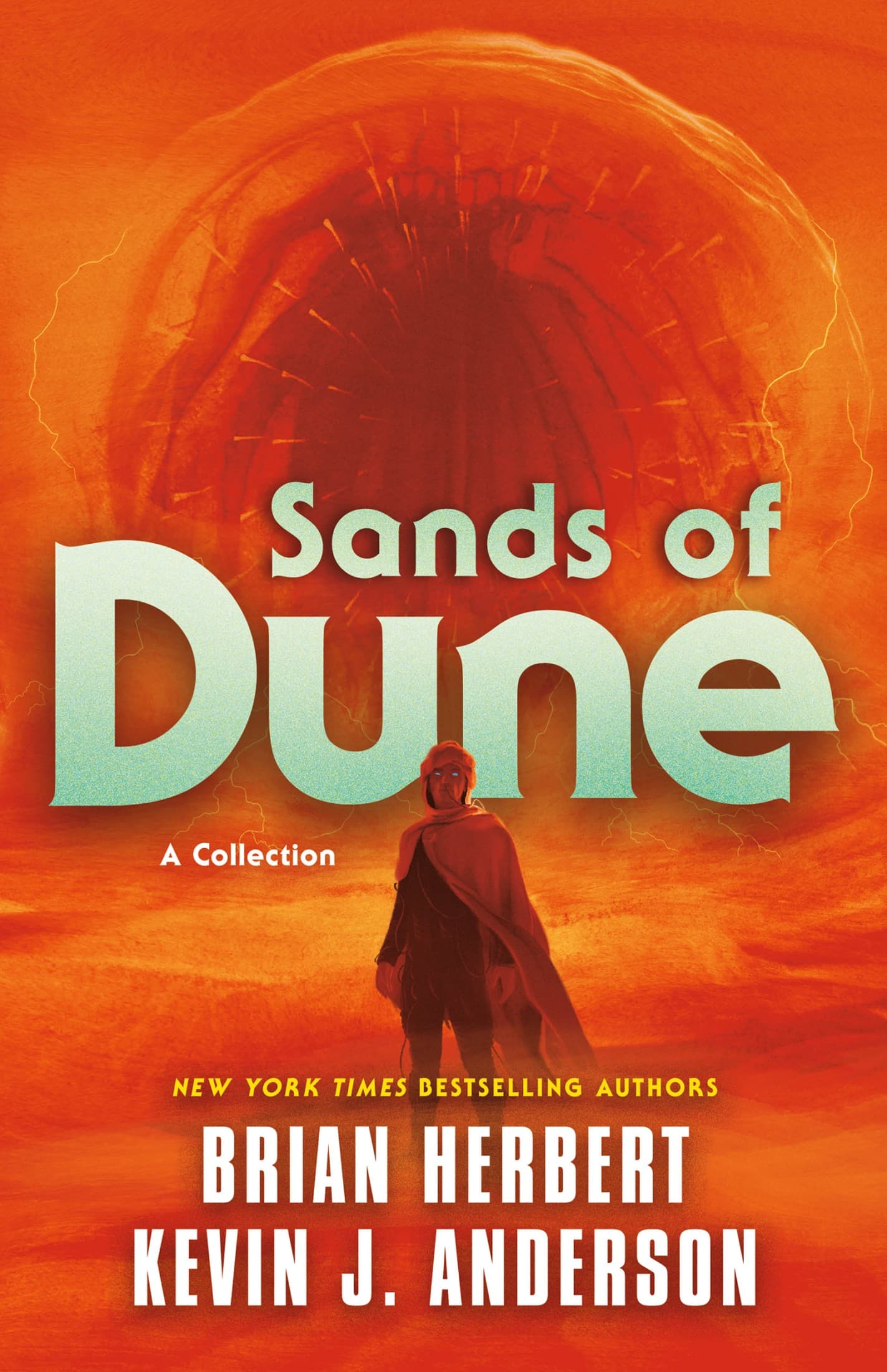
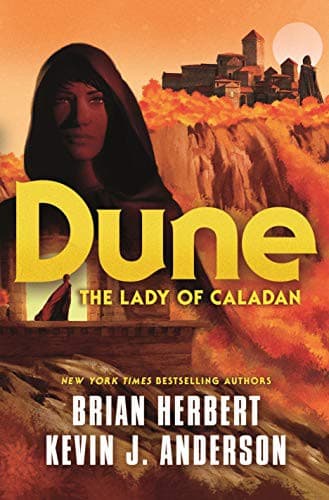
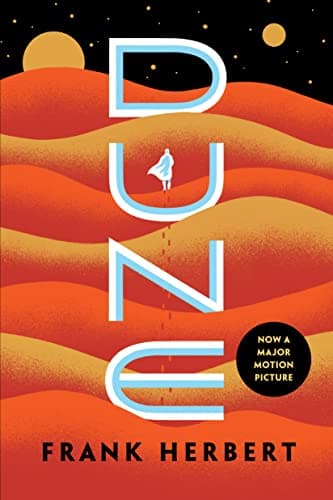
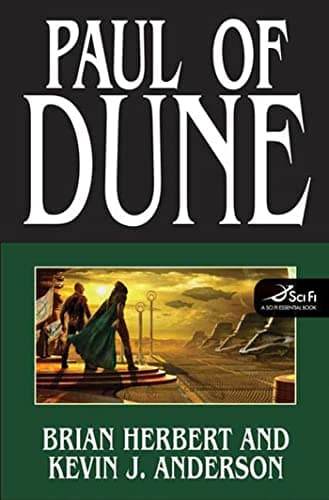
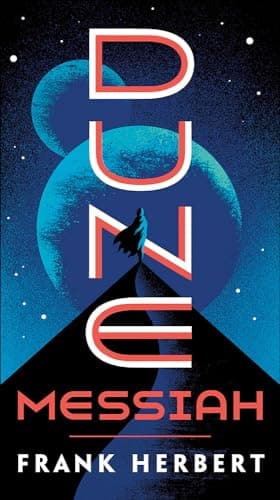
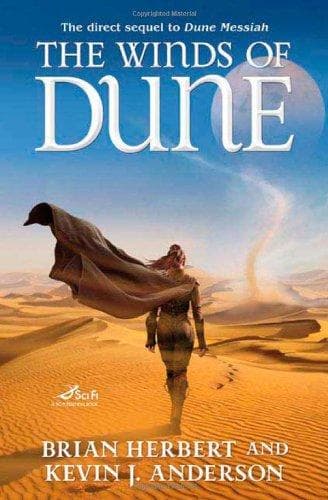
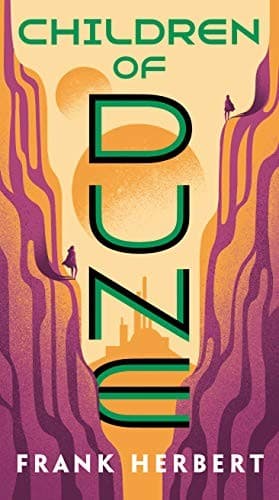
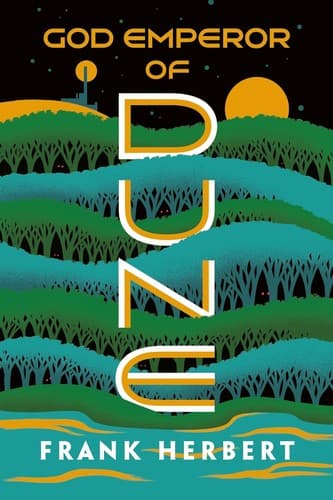

29 books in catalog
The expansion of one of science fiction's most enduring epic sagas owes much of its modern continuation to the detailed world-building and archival additions to the Dune universe. Brian Herbert, born June 29, 1947, took on the responsibility of developing his father Frank Herbert's seminal literary universe while also establishing his own distinct voice in speculative fiction.
Brian Herbert began his literary career in the early 1980s, debuting in science fiction with the satirical novel Sidney's Comet in 1983, which inaugurated the Garbage Chronicles series, followed by The Garbage Chronicles in 1985. He went on to write standalone works such as Sudanna, Sudanna, Prisoners of Arionn, and The Race for God, as well as co-authoring Man of Two Worlds alongside his father in 1986. Following his father's passing, Herbert embarked on an exhaustive biographical and archival project, publishing Dreamer of Dune in 2003, a deeply personal memoir and chronicle that became a finalist for the Hugo Award.
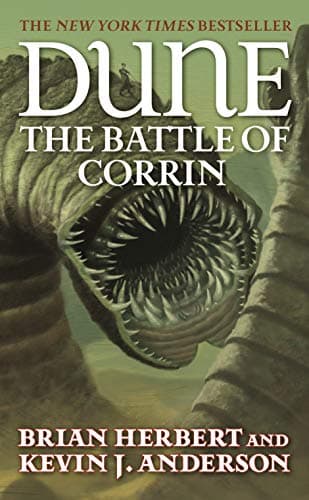
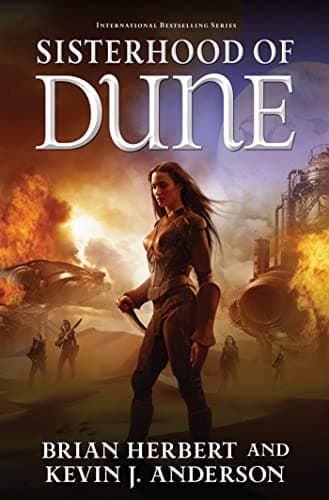
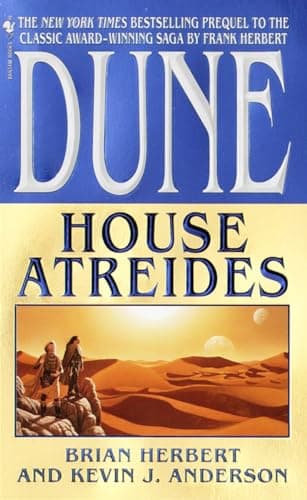
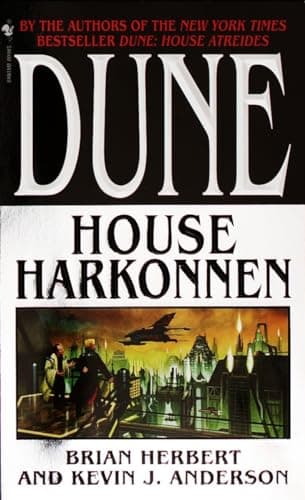
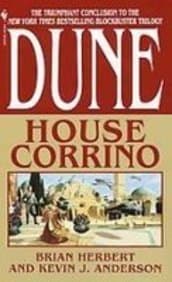
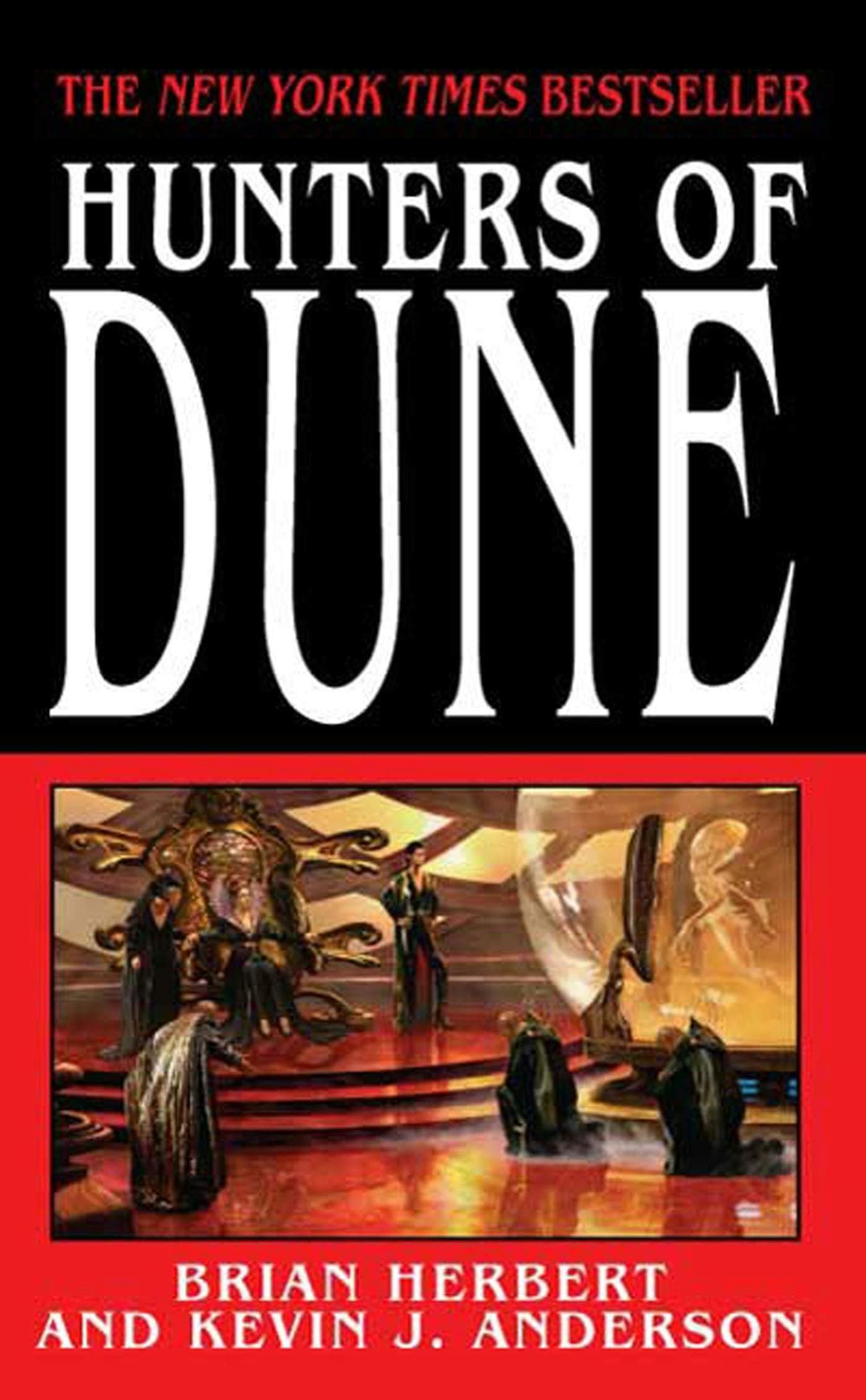
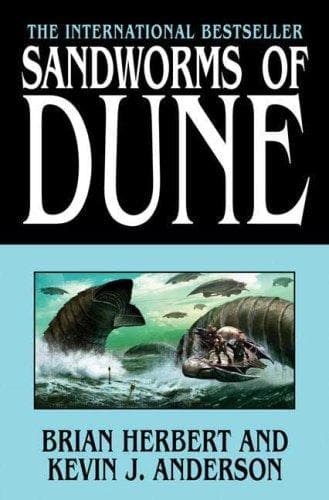
To bring new life to the Arrakis saga, Herbert partnered with science fiction author Kevin J. Anderson to craft multi-volume prequel and sequel series based on extensive notes and outline materials left by Frank Herbert. Their collaboration produced bestselling series including the Prelude to Dune trilogy, beginning with Dune: House Atreides, Dune: House Harkonnen, and House Corrino, as well as the Legends of Dune trilogy starting with Dune: The Butlerian Jihad, Dune: The Machine Crusade, and Dune: The Battle of Corrin. They completed the original saga's narrative arc with Hunters of Dune and Sandworms of Dune, while expanding character lore in novels like Paul of Dune and The Winds of Dune. Beyond print publishing, Herbert serves as president of the entity managing Frank Herbert's literary estate and acts as an executive producer on major film and television adaptations, including the cinematic releases and streaming series Dune: Prophecy.
Herbert's writing combines satirical social commentary, ecological speculative concepts, and grand-scale galactic politics. His early solo works frequently employed humor and absurdist premises to critique technological waste and human bureaucracy. When expanding epic space opera settings, his approach emphasizes detailed historical backstories, complex dynastic rivalries, and the philosophical struggles between humanity and artificial intelligence. Through works like The Road to Dune and various short fiction collections, Herbert blends archival preservation with collaborative storytelling, maintaining the intricate sociopolitical and ecological frameworks that define broad-canvas science fiction.