№ 1 · The Chronicles of Narnia (Publication Order)
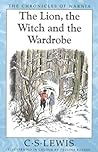
The Lion, the Witch and the Wardrobe,
§Synopsis
01Four adventurous siblings—Peter, Susan, Edmund, and Lucy Pevensie—step through a wardrobe door and into the land of Narnia, a land frozen in eternal winter and enslaved by the power of the White Witch. But when almost all hope is lost, the return of the Great Lion, Aslan, signals a great change . . . and a great sacrifice.
Journey into the land beyond the wardrobe! The Lion, the Witch and the Wardrobe is the second book in C. S. Lewis's classic fantasy series, which has been captivating readers of all ages for over sixty years. This is a stand-alone novel, but if you would like journey back to Narnia, read The Horse and His Boy, the third book in The Chronicles of Narnia.
§Our take
Start here, whatever the spine number says. HarperCollins has numbered this book 2 since 1994, but Lewis's own 1957 letter hedged, and scholars mostly recommend reading it first — the narrator even assumes you don't know who Aslan is. The Christian framework runs through it, but Lewis called it a supposal, not an allegory: what might Christ be like in another world? That distinction lets many readers enjoy the adventure without noticing the theology, while others find the theology the point. The 1950 Kirkus review called it witty and fast but warned the metaphysics might bother adults and the ending turns heavy. The wartime frame is real: Lewis began the story after three evacuee schoolgirls came to his house in 1939. The narrator's chatty, 1940s British voice charms some readers and grates on others. Girls are kept out of the fighting, the book's own sore point, while the heavier Narnia critiques target later volumes. It's short, brisk, and commonly read aloud in a few sittings.
§Themes
- Supposal over allegory
- Lewis framed it as a what-if, not a code, so the Christian layer can be entered or ignored.
- Wartime childhood
- The evacuee frame grounds the fantasy in 1940 air raids and class privilege.
- Betrayal and forgiveness
- Edmund's arc, bought with sweets and promises, carries the book's moral weight.
- Children wiser than adults
- Lucy sees truly first and is disbelieved by her elders.
- The narrator as character
- An intrusive, chatty storyteller voice that feels either warm or twee depending on the reader.
§How it was received
Kirkus in 1950 called it a witty, fast fantasy for imaginative children but warned the metaphysics might bother adults. Initial reviews were muted — fantasy was dismissed as indulgent — and the publisher feared it wouldn't sell; children's enthusiasm built the series. It later reached canonical status, placing in the BBC's Big Read top ten and Time's best-novels lists, while the heaviest modern critiques of Narnia target later volumes.
§Read it if
- You want a portal fantasy that works as pure adventure whether you catch the Christian layer or not
- You like a chatty, 1940s British narrator reading aloud to children in a few sittings
- You prefer the publication-order entry point that assumes you don't know Aslan yet
§Skip it if
- The intrusive storyteller narrator and dated British idiom grate on you
- You want girls in the fighting; the sisters are told to stay out of the battle
§Before you start
- Reading experience
- Short, brisk, and commonly read aloud in a few sittings with an intrusive 1940s British narrator.
- Reading order
- First written and published (1950); book 1 in publication order, book 2 in HarperCollins chronological numbering since 1994. Scholars and fans mostly recommend reading it first. Next published: Prince Caspian.
- Content notes
- Battle violence with swords and axes in which people and creatures die; A wolf attack; A cruel villain and one bleak, sad, tense scene involving a major character that can upset young children; Christian allegory runs throughout; Traditional gender roles; mild drinking and pipe smoking; no strong language.
§Common questions
- Should I read this first or The Magician's Nephew?
- Read this first. The narrator assumes you don't know Aslan, and most scholars favor publication order despite the 1994 renumbering.
- Is it an allegory?
- Lewis called it a supposal — what if Christ came to another world — not a strict allegory. Many readers enjoy it without noticing the Christian layer.
- How scary is it for children?
- Common Sense Media rates it 8+; parent reviewers lean to 7+ as a read-aloud. A wolf attack, battle violence, and one bleak, sad scene involving a major character can upset sensitive listeners.
§If you liked this
- The Magician's Nephew by C. S. Lewis — The prequel that explains the wardrobe, the lamp-post and the Witch's origins; it gains force read after this book.
- The Problem of Susan by Neil Gaiman — An adult short story that answers Narnia's treatment of Susan; for adult rereaders who want the critique in fiction form.
- The Hobbit by J. R. R. Tolkien — Goodreads reviewers measure this book's simplicity against Tolkien's fantasy; a fellow Oxford Inkling's children's classic for readers who want a longer quest next.
Track this book
Add to your library to track progress and write reviews