№ 1 · The Chronicles of Narnia (Publication Order)
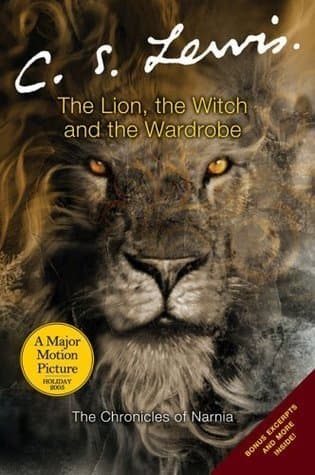
Four adventurous siblings—Peter, Susan, Edmund, and Lucy Pevensie—step through a wardrobe door and into the land of Narnia, a land frozen in eternal winter and enslaved by the power of the White Witch. But when almost all hope is lost, the return of the Great Lion, Aslan, signals a great change . . . and a great sacrifice.
Journey into the land beyond the wardrobe! The Lion, the Witch and the Wardrobe is the second book in C. S. Lewis's classic fantasy series, which has been captivating readers of all ages for over sixty years. This is a stand-alone novel, but if you would like journey back to Narnia, read The Horse and His Boy, the third book in The Chronicles of Narnia.
Add to your library to track progress and write reviews
Find The Lion, the Witch and the Wardrobe C. S. Lewis in PDF, EPUB, ebook, audiobook, print, or library editions.
6 books in catalog
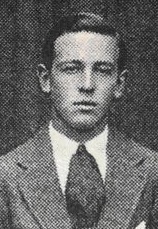
Fantasy literature and Christian apologetics were profoundly shaped by a seven-volume portal fantasy series that introduced generations of readers to the magical land of Narnia. Clive Staples Lewis, widely known as C. S. Lewis, created enduring fictional universes alongside rigorous philosophical defenses of the Christian faith, establishing himself as a prolific twentieth-century author, academic, and scholar.
Born in Belfast, Ireland, on November 29, 1898, C. S. Lewis served in France during World War I before establishing a distinguished academic career at Oxford and Cambridge. He worked as an Irish-born British novelist, academic, medievalist, literary critic, essayist, lay theologian, and Christian apologist. Lewis served as a Fellow and Tutor in English Literature at Magdalen College, Oxford from 1925 until 1954, when he was unanimously appointed to the Chair of Medieval and Renaissance Literature at Magdalene College, Cambridge. He maintained deep intellectual friendships, notably with his brother Warren and fellow Oxford scholars, while writing dozens of influential works across literary history, theology, and fiction until his death on November 22, 1963.
Lewis blended scholarly medieval expertise with accessible narrative craft, weaving Christian allegory, myth, philosophy, and satire into his imaginative writing. His theological and philosophical non-fiction works broke complex moral arguments into clear, conversational prose originally developed through popular wartime radio broadcasts. In his fiction, he explored moral responsibility, spiritual longing, divine love, and human redemption through fantastical frameworks ranging from portal fantasy to planetary science fiction.
The Chronicles of Narnia (Publication Order)