§Synopsis
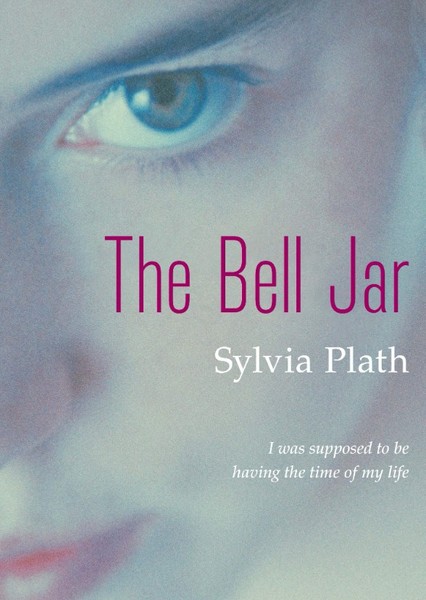
01Working in New York one hot summer, Esther Greenwood is on the brink of her future. Yet she is also on the edge of a darkness that makes her world increasingly unreal. In this vivid and unforgettable novel about the struggles of growing up, Esther's world shines through: the wide-eyed country girls, her crazed men-friends, hot dinner dances and nights in New York, and a slow slide into breakdown. --back cover
§Our take
The Bell Jar survives its own contradictions because Plath makes Esther's misery sharp, funny and alarmingly precise. The early New York chapters turn ambition, sex, class and institutional power into a glittering comic showcase; Esther's eye is exact and often cruelly funny.
The feminist reading is well earned, but readers also flag racist, homophobic and fatphobic language in Esther's narration, and the book's admirers don't have to pretend it isn't there. Plath fictionalised real people closely enough that her mother opposed the American release, which came eight years after the British one. Read it as a novel shaped by biography, not straight memoir; the dark humour is the best way in, while the psychiatric scenes carry the heaviest emotional cost.
§Themes
- Ambition with no exit
- Marriage, motherhood and office work crowd the narrow futures available to a gifted scholarship student.
- The sexual double standard
- Esther is expected to stay a virgin while Buddy is not, and she comes to resent the double standard that shapes every choice offered to her.
- Institutional medicine
- The male-dominated medical world shapes Esther's treatment, while a female doctor offers a sharply different model of care.
- The bell jar
- The glass dome gathers depression, isolation and the suffocating weight of 1950s expectations into one image.
- The fig-tree trap
- Each fig offers Esther a possible life, and her inability to choose lets them all rot.
§How it was received
The 1963 British debut under ‘Victoria Lucas’ drew modest, mixed notices, and Plath's death soon after overshadowed the book. The 1971 US release became a bestseller and was widely called a feminist classic; some reviewers praised its vivid descriptions and black comedy, while others found the manner girlish, amateurish or slight. Later commentators including Elizabeth Wurtzel and Robin Peel valued its honesty, detachment and dark humour, though readers still dispute whether the ending offers hope and whether its portrayal of mental illness rings true.
§Read it if
- You want precise, often poetic prose and a dark coming-of-age story with real comic energy
- You can handle a narrator whose intelligence and humour sit beside ugly prejudices
- You read fiction about depression without expecting a tidy recovery
§Skip it if
- You need a consistently sympathetic narrator. Esther can seem self-absorbed, and some readers never warm to her.
- You want language free of racism, homophobia and fatphobia. Those attitudes run through the narration.
§Before you start
- Reading experience
- The prose is short, episodic and easy to read, but the tone turns from satirical New York scenes to harrowing hospital life, which is where the real difficulty sits.
- Content notes
- Depression, suicide, suicide attempts and self-harm; Graphic attempted-rape scenes; Frightening depictions of electroconvulsive therapy and 1950s psychiatric treatment; Racist, homophobic and fatphobic language and attitudes; Death of a parent; Profanity.
§Common questions
- Is The Bell Jar based on Sylvia Plath's life?
- Partly. It closely follows Plath's college scholarship, Mademoiselle guest editorship, breakdown and hospitalisation, but fictionalises and rearranges real life, so it is not straight memoir.
- Is The Bell Jar a feminist classic?
- Often, yes. It is not a manifesto: Esther's restricted choices and sexual double standard are central, but the book's treatment of race, sexuality and bodies remains contested.
- Is The Bell Jar suitable for younger readers?
- The content is firmly adult: depression, suicide and self-harm, graphic attempted-rape scenes, frightening psychiatric treatment, profanity, and racist, homophobic and fatphobic language.
§If you liked this
- Girl, Interrupted by Susanna Kaysen — Susanna Kaysen's memoir of her stay at McLean, the hospital where Plath was treated, shows how institutional power shapes a young woman's care.
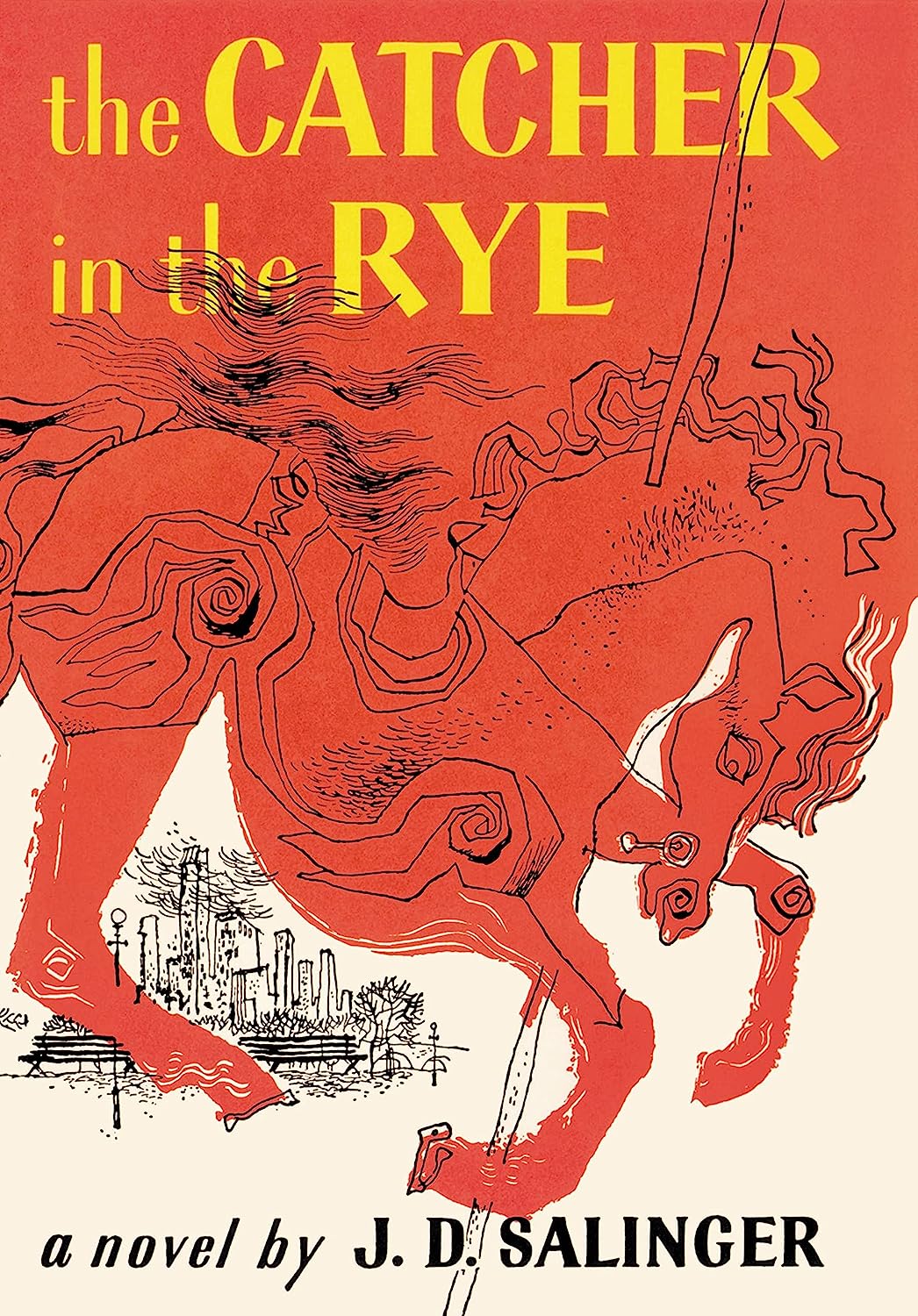
- The Catcher in the Rye by J. D. Salinger — Early reviewers compared the two, and both make adolescent alienation feel like exile from adult conformity.
- The Edible Woman by Margaret Atwood — Atwood's first novel follows a woman who grows detached from her own appetite as engagement and expectations close in.
- Play It As It Lays by Joan Didion — A cool, close-focus study of a woman losing her sense of self, it makes a useful companion to Plath's hospital sections.
- Prozac Nation by Elizabeth Wurtzel — A candid memoir of depression that sits naturally beside the novel, especially since Wurtzel later praised its honesty and detachment.
- Hangsaman by Shirley Jackson — Shirley Jackson turns a college freshman's psychological destabilisation and narrow expectations into a different kind of horror.
- I Never Promised You a Rose Garden by Hannah Green — A fictionalised teenager in intensive therapy makes this a close companion, with the same mid-century psychiatric world and a younger centre of gravity.
Track this book
Add to your library to track progress and write reviews