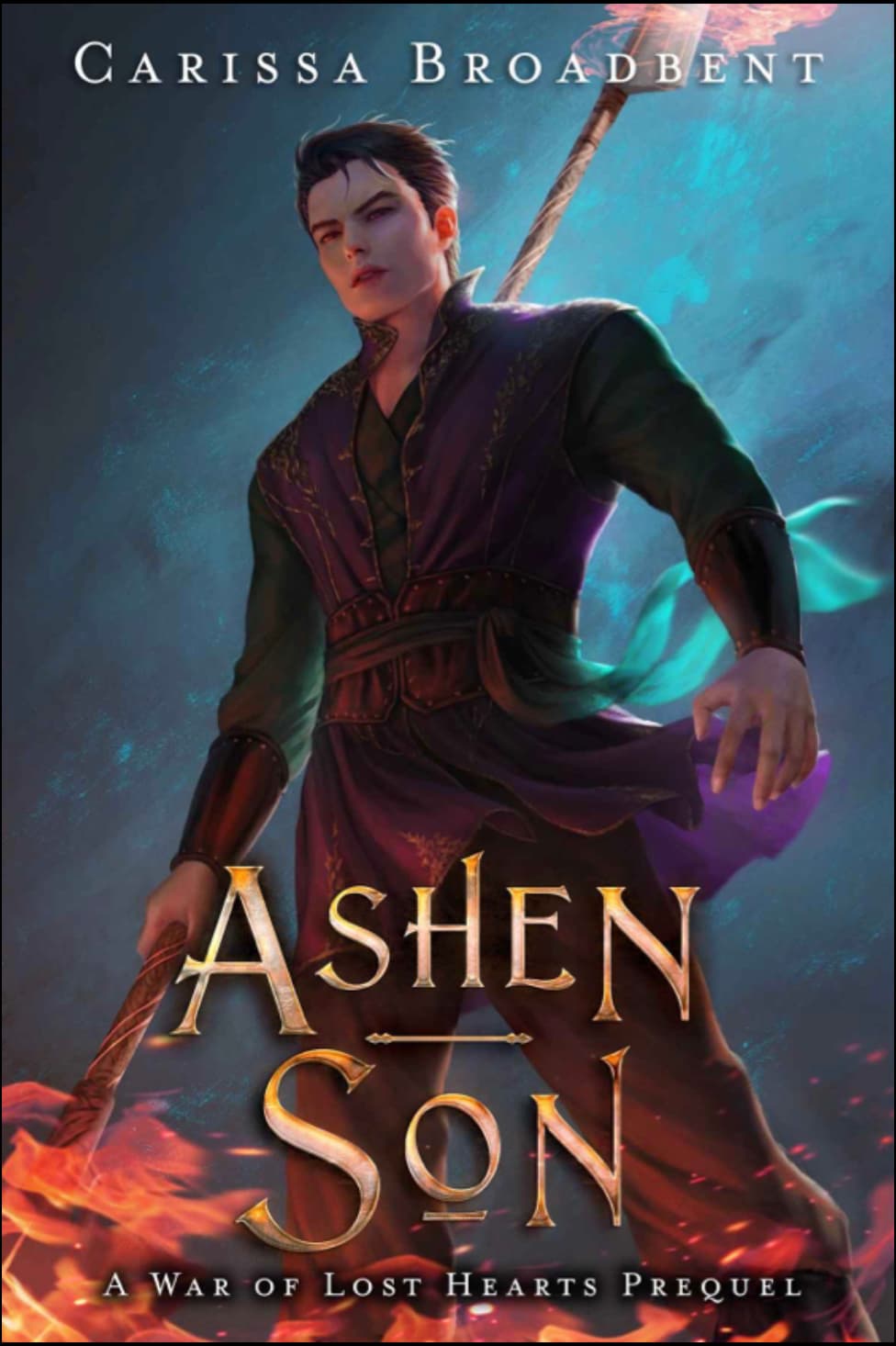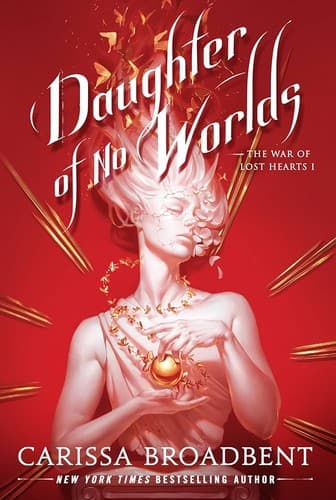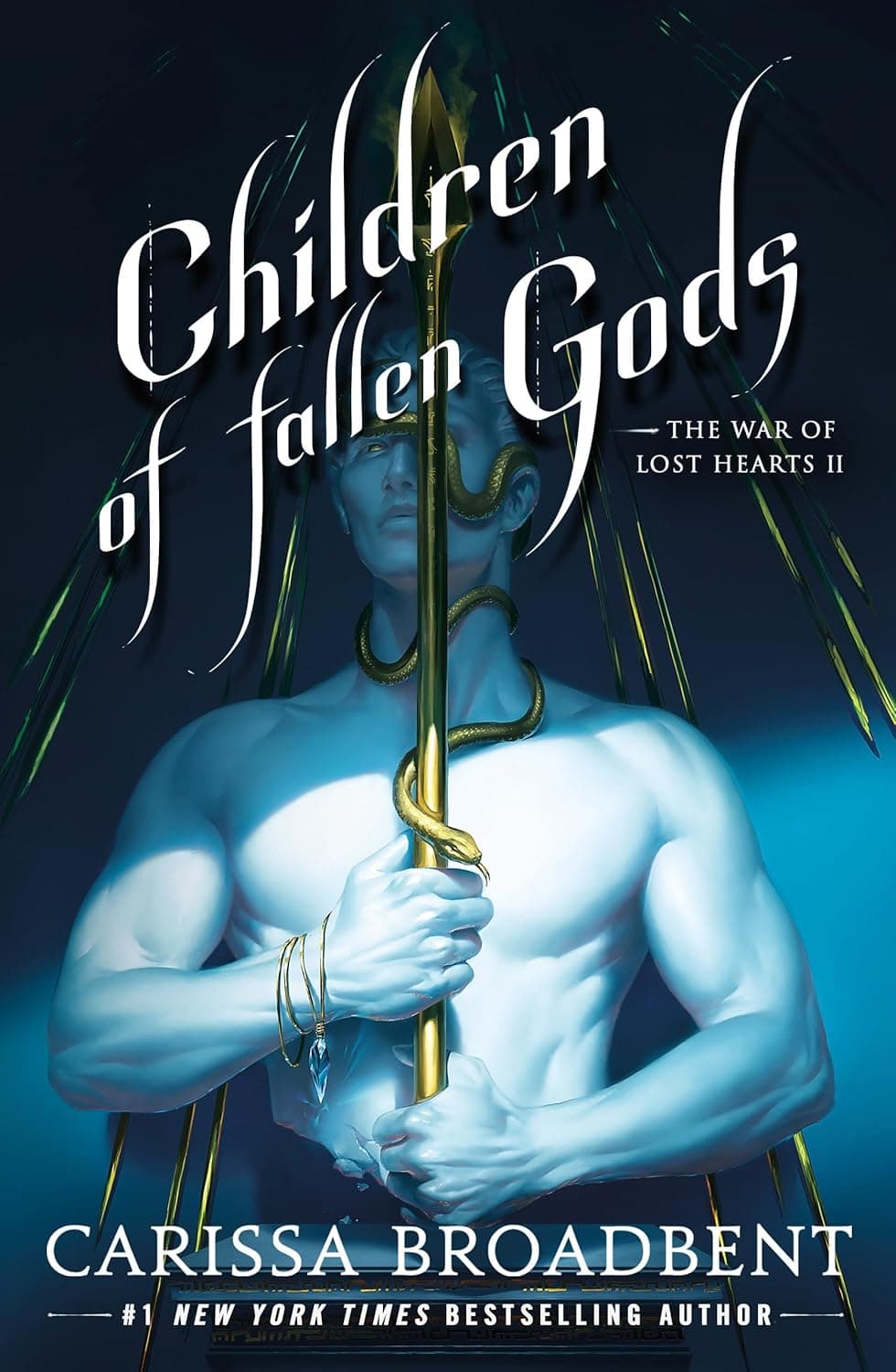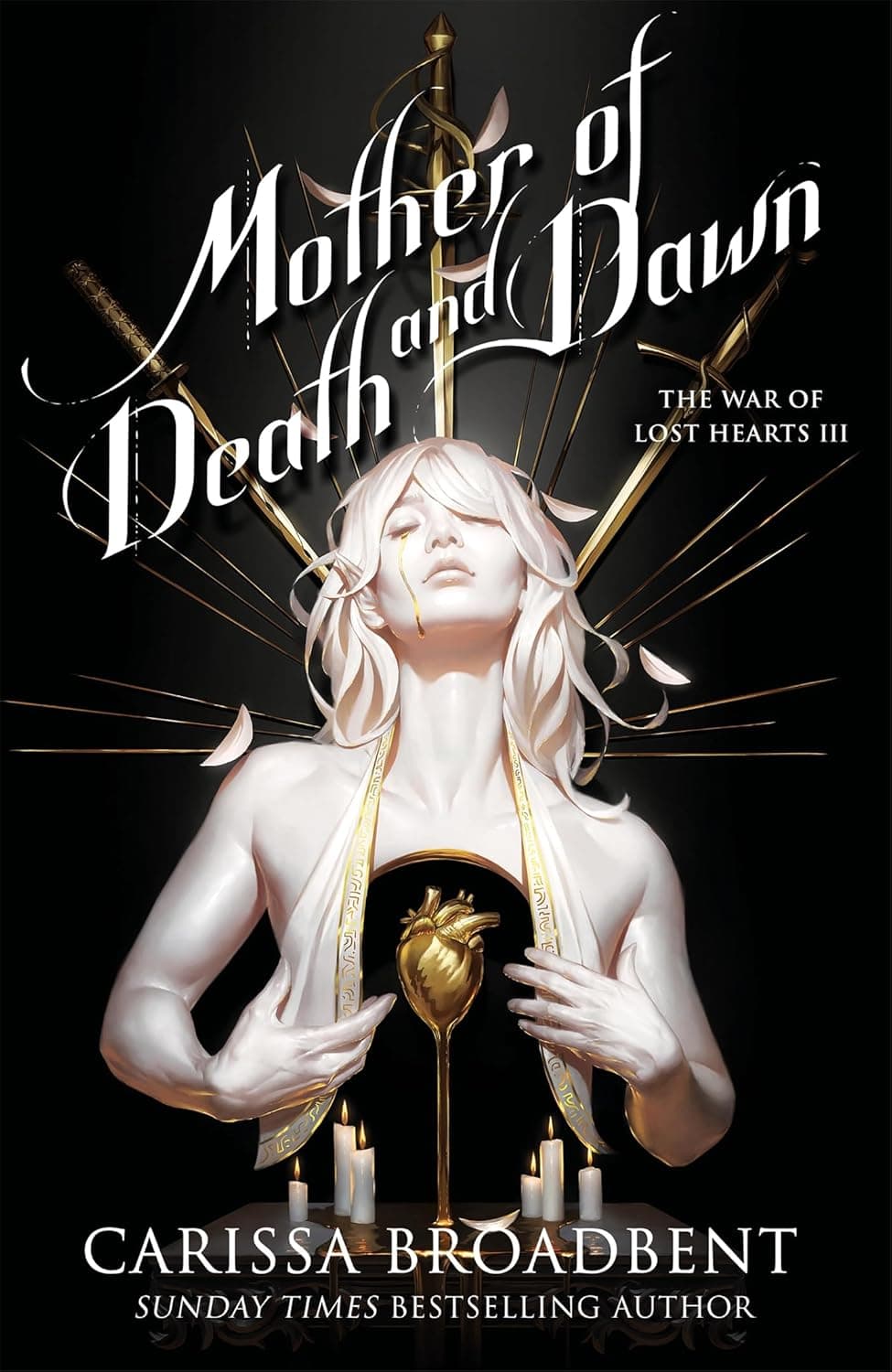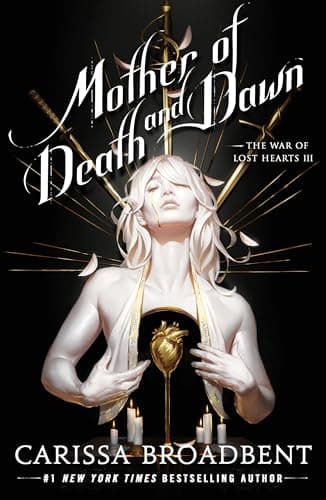
The war between the human and Fey worlds has reached a point of no return, where the lines between liberation and annihilation have blurred into a single, bloody horizon. Following a devastating defeat, Tisaanah and Maxatarius find themselves physically and spiritually severed. While Tisaanah navigates the increasingly treacherous politics of a revolution on the brink of collapse, Max is held captive within the walls of Ilyzath. His mind, fractured and haunted by shadows, has become a labyrinth of forgotten history, leaving him a pawn in the hands of a queen who views empathy as a liability.
Across the veil in the Fey lands, a different kind of storm gathers. Aefe has been pulled back into a world that remembers her as a legend, though she feels like a stranger to her own skin. She is bound to a king whose grief has curdled into a genocidal vendetta, threatening to dismantle civilization in the name of a past that Aefe can no longer fully claim. As these three lives converge, the magic they share becomes the focal point of a global cataclysm, forcing a confrontation between the weight of ancient grudges and the fragile hope of a future built on something other than vengeance.
The world-building in this conclusion emphasizes the stark atmospheric contrast between the crumbling human empires and the ethereal, yet predatory, Fey wildness. Magic is depicted not as an infinite resource, but as a visceral, taxing force that leaves scars on both the wielder and the land. The setting functions as a pressure cooker where the political machinations of the human Order and the primordial wrath of the Fey royalty collide. There is a tangible sense of history being unmade, as ancient structures and social hierarchies are dismantled by the sheer scale of the magical conflict.
The early character arcs focus heavily on the tension between who these individuals were and who the war requires them to be. Tisaanah’s development centers on the moral dilemma of prioritizing her personal love for Max against her duty to a people who view her as their only hope. Meanwhile, Max’s journey is internal, a harrowing exploration of trauma and the difficulty of forging a future when the past is a minefield of repressed memories. Aefe’s narrative provides a third perspective on this theme, examining the disorientation of being a figure of myth forced to live in a reality that has moved on without her.
The narrative utilizes and subverts several high-fantasy tropes to heighten the stakes. While it employs the "Separated Lovers" trope, it avoids the cliché of a simple rescue mission by making the primary obstacle internal and psychological rather than just physical. The "Ancient Evil Awakened" trope is subverted by humanizing the antagonists; the threat doesn't come from a faceless dark lord, but from characters with understandable grievances and twisted versions of love. By focusing on the "War-Weary Hero," the story prioritizes the emotional and mental exhaustion of its protagonists, moving away from idealized depictions of combat toward a more grounded exploration of sacrifice and the heavy price of power.
Add to your library to track progress and write reviews
Find Mother of Death and Dawn Carissa Broadbent in PDF, EPUB, ebook, audiobook, print, or library editions.
15 books in catalog
Bloodshed, political maneuvering, and the brutal cost of survival define the landscapes of modern romantic fantasy, where high-stakes conflicts extend far beyond matters of the heart. Fantasy author Carissa Broadbent has built a wide readership in this competitive genre by subjecting her protagonists to the grim realities of power, legacy, and systemic violence. She is widely recognized for The Serpent and the Wings of Night, an epic vampire tournament novel that launched her best-selling Crowns of Nyaxia universe.
Her expansive catalog blends high-tension epic fantasy plots with intense romantic arcs, establishing her as a prominent voice in contemporary speculative fiction across both independent and traditional publishing spaces.
Based in Rhode Island, where she lives with her husband, her son, a perpetually skeptical cat, and a badly behaved rabbit, Carissa Broadbent began writing dark, mercilessly grim stories around the age of nine. This early preoccupation with dark fiction eventually matured into a disciplined approach to epic fantasy world-building. Before transitioning into writing as a full-time profession, she worked in the healthcare industry. That professional background provided her with a nuanced understanding of human vulnerability, physical trauma, and psychological resilience—elements that deeply inform her character development and thematic depth.
Broadbent initially published her work independently, entering the literary landscape with self-published releases such as her 2017 novel A Palace Fractured. She steadily cultivated a dedicated fanbase in the indie fantasy community as her self-publishing earnings grew from covering routine utility bills to generating consistent four-figure paychecks. Her breakthrough reached a broader digital audience through platforms like BookTok, where readers praised her intricate world-building, high-stakes political intrigue, and morally complex characters. This grassroots momentum culminated in major commercial success and substantial reader demand.
Her rapid commercial ascent caught the attention of legacy publishers, leading to major deals with traditional houses including Tor Publishing Group and Pan Macmillan. In July 2023, Bramble, a romance-focused imprint of Tor, acquired her body of work to publish original installments in the Crowns of Nyaxia series alongside new traditional editions of her backlist titles. Now a #1 New York Times and USA Today bestselling author, Broadbent's transition from self-publishing to traditional publishing is frequently highlighted in industry publications such as Publishers Weekly as a prime example of independent success driving major publishing partnerships.
Broadbent’s writing style is distinguished by its refusal to sanitize the harsh realities of war, oppression, and physical trauma. Influenced by the lyrical prose and nuanced exploration of femininity found in the works of Madeline Miller, her narratives focus on the psychological toll of conflict and the structural pressures placed upon women in patriarchal or authoritarian societies. Rather than relying on simple tropes, her work emphasizes complex emotional realism, where characters must grapple with moral compromises, trauma, and the heavy burden of survival in hostile environments.
Thematically, her stories delve into the psychological motivations behind both human and non-human behavior, examining why individuals seek authority and how legacy dictates personal agency. A recurring concept throughout her work is that love can be a dangerous vulnerability in worlds designed for cruelty and state-sanctioned violence. While her novels incorporate a substantial romantic thread, critics and readers frequently observe that her epic fantasy plots—complete with intricate magic systems and grim geopolitical maneuvering—are robust enough to carry the narrative independently of the romantic relationships.
Her character design consistently features resilient, complex female leads forced to navigate oppressive power structures. These protagonists are rarely unblemished heroes; instead, they are pragmatic survivors who use strategy, combat skills, and political cunning to protect their communities and claim their personal autonomy. By pairing intricate magical mechanics with intense character dynamics, Broadbent creates stories where emotional stakes and mortal danger remain inextricably linked.
The War of Lost Hearts