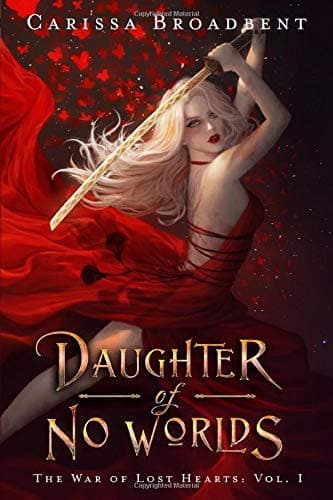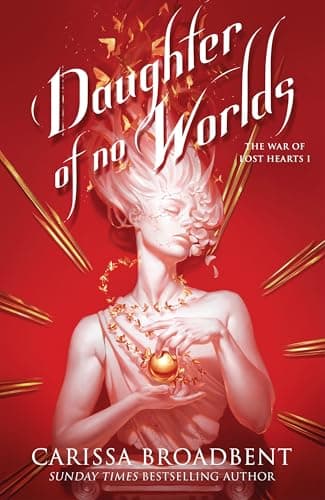
Tisaanah has spent her life as a commodity, surviving the brutal slave markets of Thuvhe through a combination of razor-sharp intuition and a flickering, untapped magical talent. When she finally strikes a desperate bargain for her freedom, she discovers that escaping her chains is merely the first step in a much longer ascent. To rescue the friend she left behind, she must cross the sea to the land of Ara and petition the Orders—the most powerful organization of magic wielders in the world—to intervene. But the Orders do not grant favors for free; they demand service, absolute loyalty, and a mastery of the very magic Tisaanah barely understands.
In this world, magic is not a whimsical inheritance but a tactical weapon governed by rigid discipline and political bureaucracy. Tisaanah finds herself thrust into a culture of elite scholars and warriors who view her with a mixture of pity and suspicion. To earn her place, she is sent to the remote cottage of a disgraced war hero who has turned his back on the world. Their alliance is born of mutual necessity and shared scars, as they navigate a landscape where the threat of an impending war looms less dangerously than the cold, calculating ambitions of the men who rule the magic-wielding elite.
The world-building centers on the stark contrast between the lawless, sun-bleached cruelty of the Thuvhe slave trade and the marble-cold, structured hierarchy of the Orders in Ara. In Ara, magic is practiced in "Towers," and its use is strictly regulated by a governing body that functions more like a military parliament than a school. The atmosphere is heavy with the weight of history and the scent of ancient parchment, where every spell has a price and every wielder is a piece on a political chessboard. The setting explores the friction between those who use magic for survival and those who use it to maintain a status quo of global dominance.
The narrative arc focuses heavily on Tisaanah’s transition from a victim of circumstance to an active participant in a complex magical system. Her development is not about a sudden gain in power, but about the grueling psychological process of reclaiming her own identity after years of being told she had none. Simultaneously, the relationship between Tisaanah and Maxantarius explores the dynamics of trauma; they do not "fix" each other, but rather provide a mirror through which they can view their own pasts. The apprenticeship is a battle of wills, as Tisaanah must force Max to care about a world he has abandoned, while he must teach her that magic requires more than just desperation—it requires a cold, calculated control.
Carissa Broadbent utilizes several foundational fantasy tropes while grounding them in psychological realism:
Add to your library to track progress and write reviews
Find Daughter of No Worlds Carissa Broadbent in PDF, EPUB, ebook, audiobook, print, or library editions.
The War of Lost Hearts
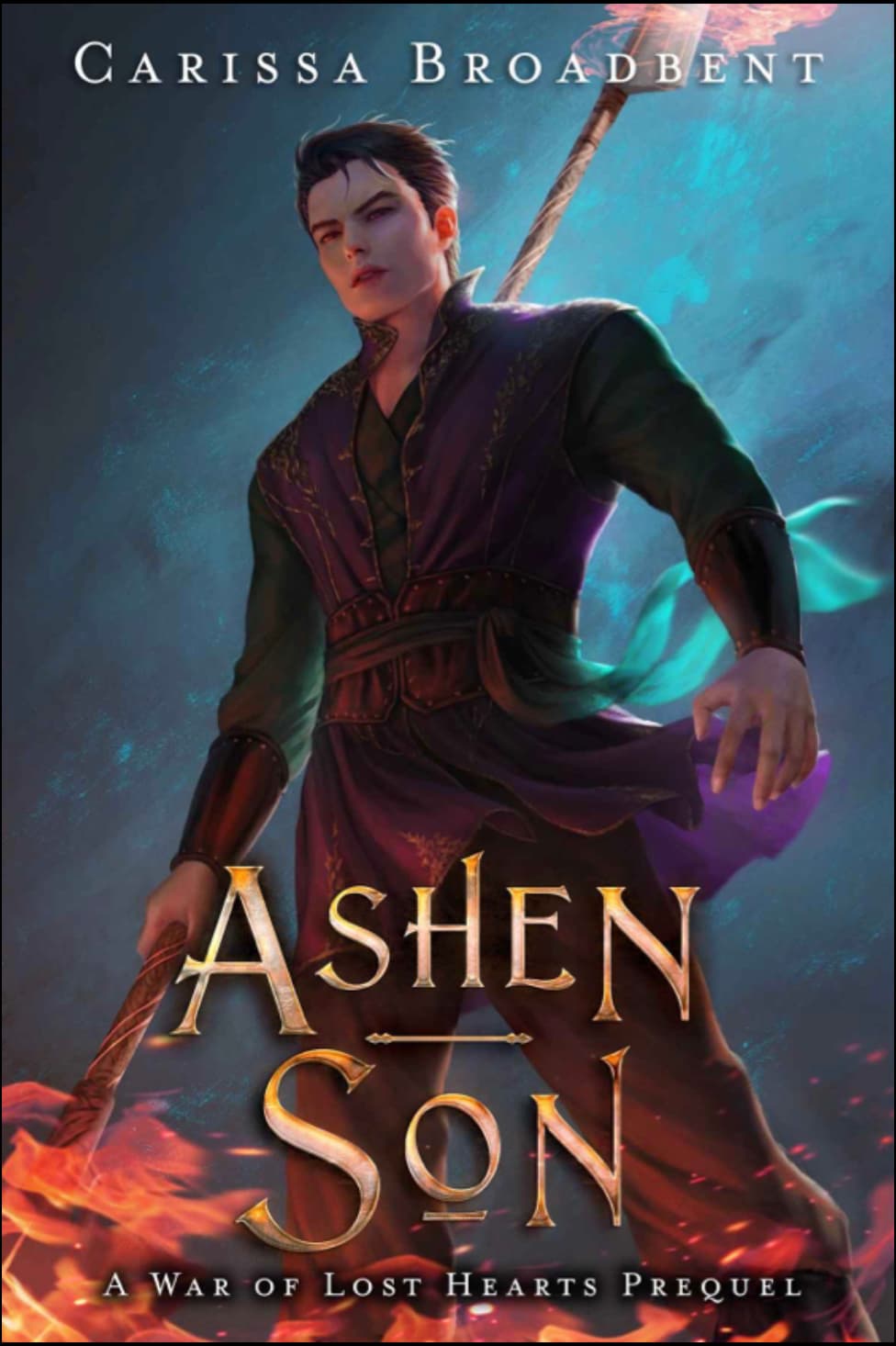
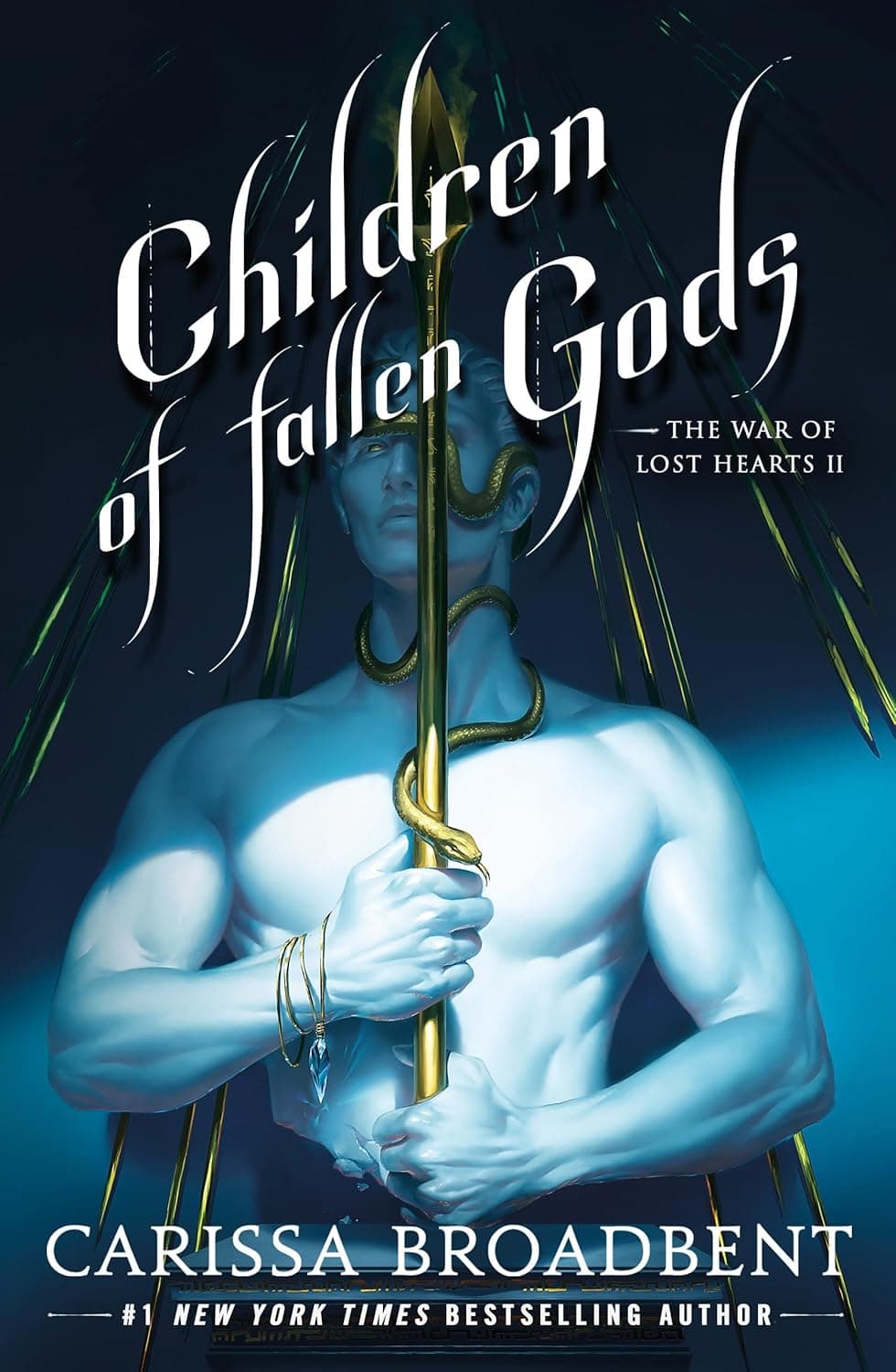
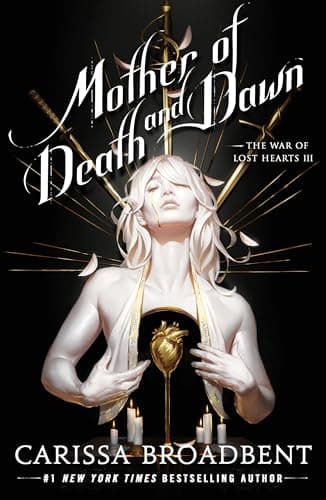
15 books in catalog
Bloodshed, political maneuvering, and the brutal cost of survival define the landscapes of modern romantic fantasy, where high-stakes conflicts extend far beyond matters of the heart. Fantasy author Carissa Broadbent has built a wide readership in this competitive genre by subjecting her protagonists to the grim realities of power, legacy, and systemic violence. She is widely recognized for The Serpent and the Wings of Night, an epic vampire tournament novel that launched her best-selling Crowns of Nyaxia universe.
Her expansive catalog blends high-tension epic fantasy plots with intense romantic arcs, establishing her as a prominent voice in contemporary speculative fiction across both independent and traditional publishing spaces.
Based in Rhode Island, where she lives with her husband, her son, a perpetually skeptical cat, and a badly behaved rabbit, Carissa Broadbent began writing dark, mercilessly grim stories around the age of nine. This early preoccupation with dark fiction eventually matured into a disciplined approach to epic fantasy world-building. Before transitioning into writing as a full-time profession, she worked in the healthcare industry. That professional background provided her with a nuanced understanding of human vulnerability, physical trauma, and psychological resilience—elements that deeply inform her character development and thematic depth.
Broadbent initially published her work independently, entering the literary landscape with self-published releases such as her 2017 novel A Palace Fractured. She steadily cultivated a dedicated fanbase in the indie fantasy community as her self-publishing earnings grew from covering routine utility bills to generating consistent four-figure paychecks. Her breakthrough reached a broader digital audience through platforms like BookTok, where readers praised her intricate world-building, high-stakes political intrigue, and morally complex characters. This grassroots momentum culminated in major commercial success and substantial reader demand.
Her rapid commercial ascent caught the attention of legacy publishers, leading to major deals with traditional houses including Tor Publishing Group and Pan Macmillan. In July 2023, Bramble, a romance-focused imprint of Tor, acquired her body of work to publish original installments in the Crowns of Nyaxia series alongside new traditional editions of her backlist titles. Now a #1 New York Times and USA Today bestselling author, Broadbent's transition from self-publishing to traditional publishing is frequently highlighted in industry publications such as Publishers Weekly as a prime example of independent success driving major publishing partnerships.
Broadbent’s writing style is distinguished by its refusal to sanitize the harsh realities of war, oppression, and physical trauma. Influenced by the lyrical prose and nuanced exploration of femininity found in the works of Madeline Miller, her narratives focus on the psychological toll of conflict and the structural pressures placed upon women in patriarchal or authoritarian societies. Rather than relying on simple tropes, her work emphasizes complex emotional realism, where characters must grapple with moral compromises, trauma, and the heavy burden of survival in hostile environments.
Thematically, her stories delve into the psychological motivations behind both human and non-human behavior, examining why individuals seek authority and how legacy dictates personal agency. A recurring concept throughout her work is that love can be a dangerous vulnerability in worlds designed for cruelty and state-sanctioned violence. While her novels incorporate a substantial romantic thread, critics and readers frequently observe that her epic fantasy plots—complete with intricate magic systems and grim geopolitical maneuvering—are robust enough to carry the narrative independently of the romantic relationships.
Her character design consistently features resilient, complex female leads forced to navigate oppressive power structures. These protagonists are rarely unblemished heroes; instead, they are pragmatic survivors who use strategy, combat skills, and political cunning to protect their communities and claim their personal autonomy. By pairing intricate magical mechanics with intense character dynamics, Broadbent creates stories where emotional stakes and mortal danger remain inextricably linked.