§Synopsis
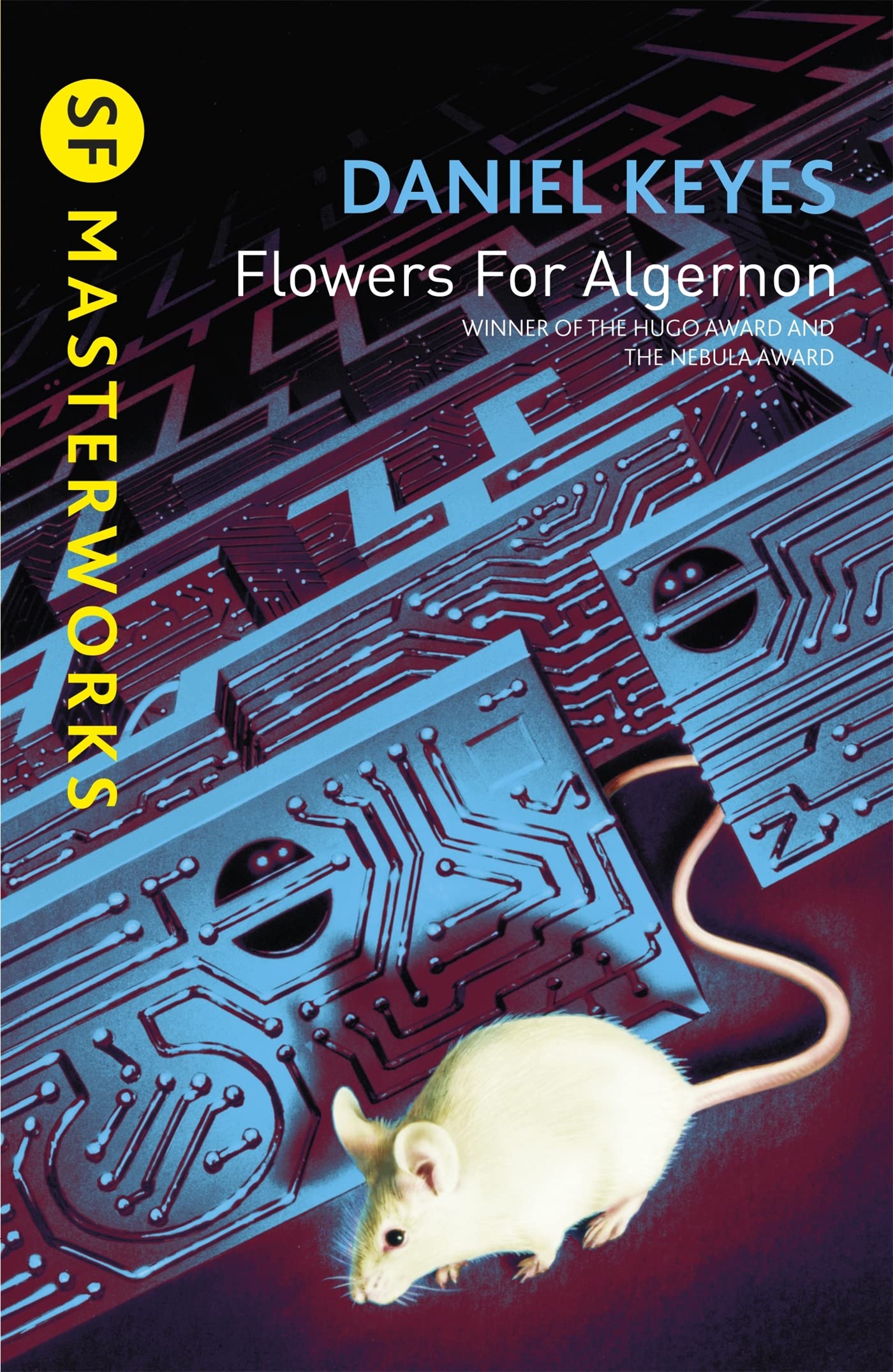
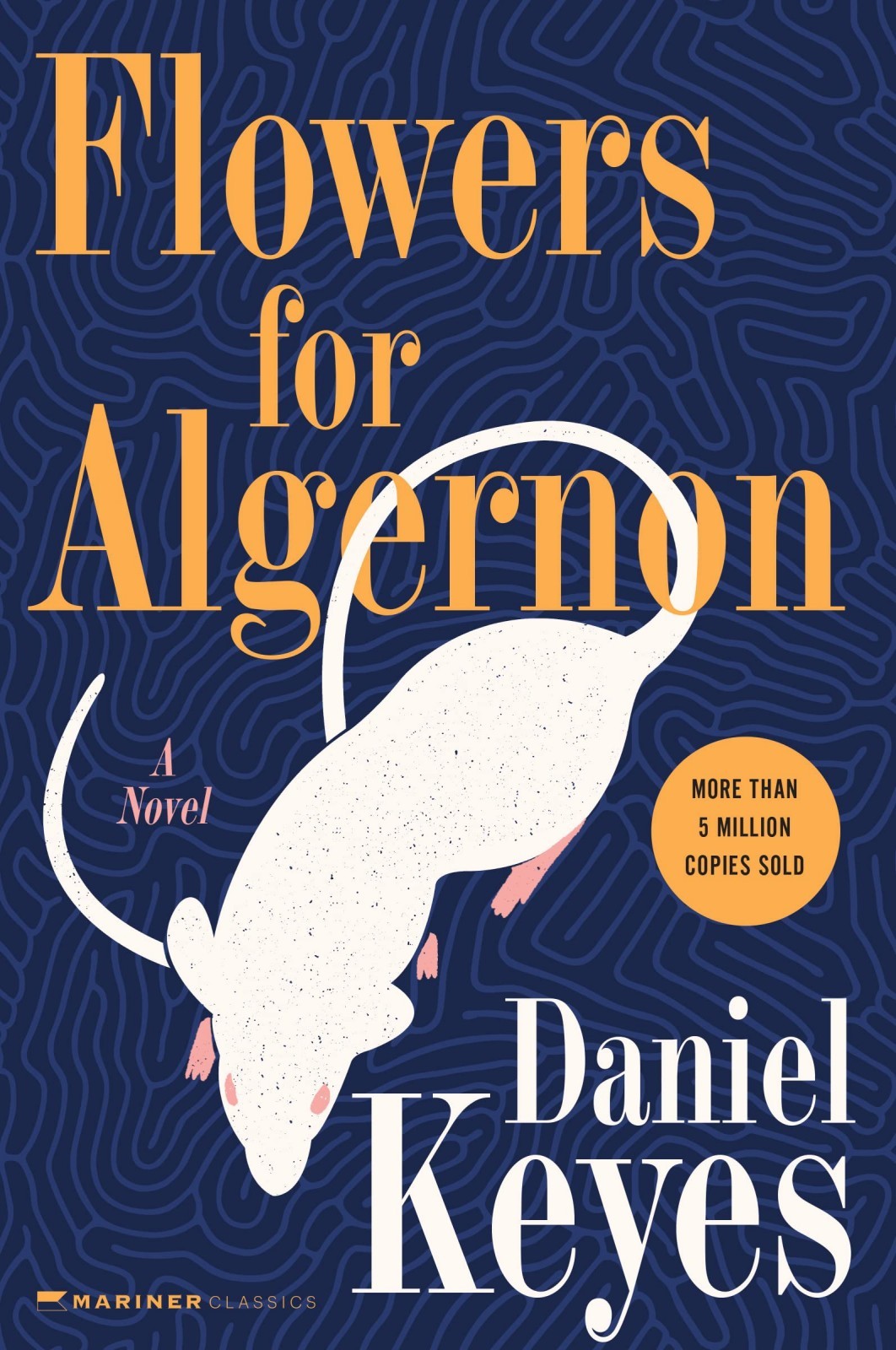
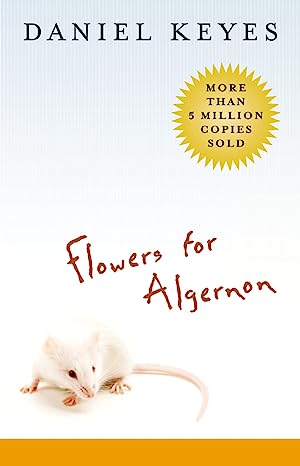
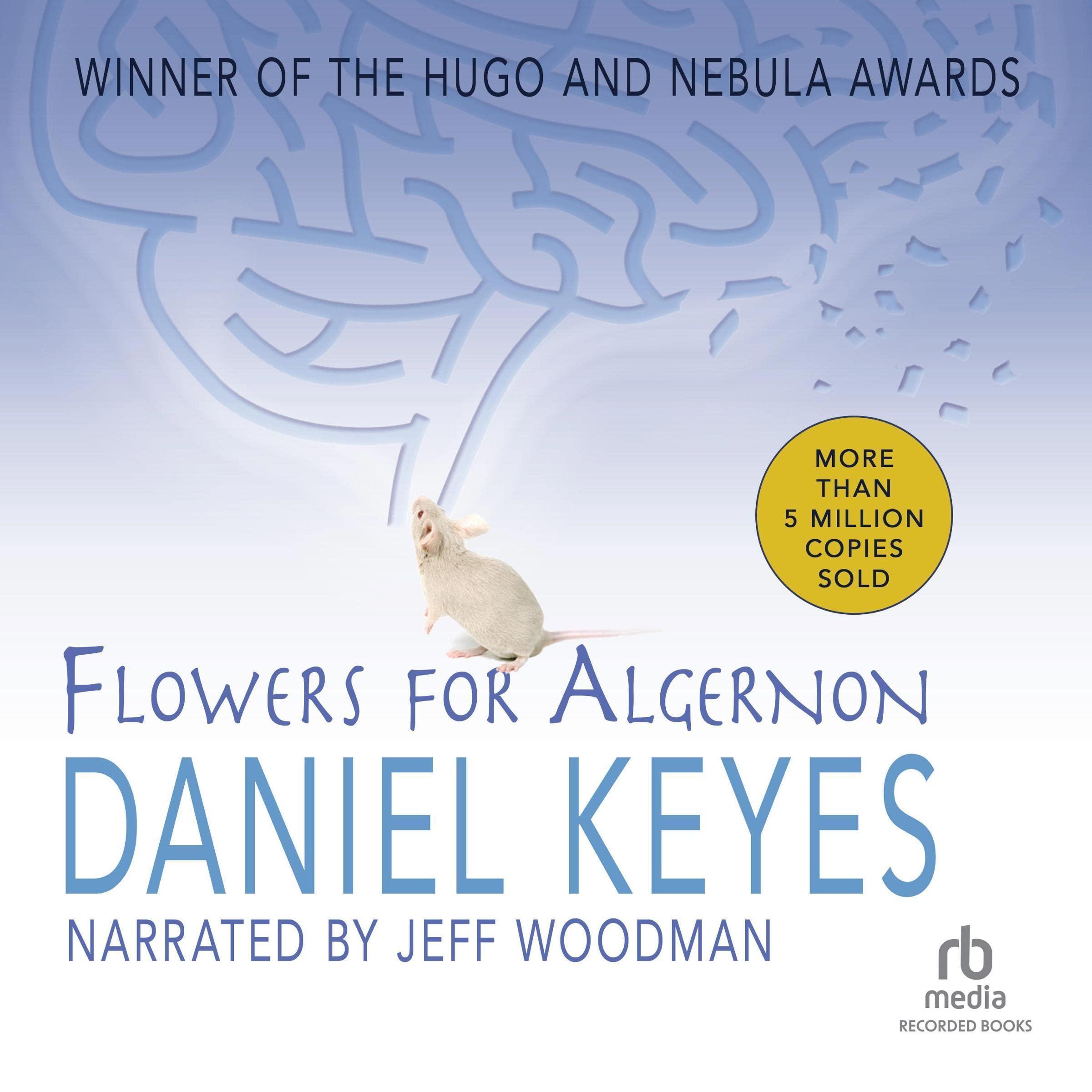
01Flowers for Algernon is the beloved, classic story of a mentally disabled man whose experimental quest for intelligence mirrors that of Algernon, an extraordinary lab mouse. In poignant diary entries, Charlie tells how a brain operation increases his IQ and changes his life. As the experimental procedure takes effect, Charlie's intelligence expands until it surpasses that of the doctors who engineered his metamorphosis. The experiment seems to be a scientific breakthrough of paramount importance--until Algernon begins his sudden, unexpected deterioration. Will the same happen to Charlie?
§Our take
Most novels describe a mind changing. This one makes you watch it happen in the prose, sentence by sentence, as Charlie's spelling and syntax rise with his IQ, and the form becomes the book's most admired feature. The trade-off is that genius arrives without emotional maturity, and readers keep coming back to that gap between what Charlie can now understand and what he can't yet feel.
Know the two versions before you pick one. The 1959 novelette is tighter; the 1966 novel adds Charlie's childhood, an abusive mother and his sister, which Kirkus called a regrettable expansion while many readers value the extra emotional depth. Either way, Keyes refused every editor's push for a happier outcome, and that stubbornness is part of the book's identity. The last third is heavy. People cry at this book. And it earns every tear, which is rarer than it sounds.
§Themes
- Intellect versus emotion
- Charlie's intelligence arrives without emotional maturity, and the gap drives the book's sadness.
- How the world treats the vulnerable
- The story is as much about how others treat Charlie before the operation as after it.
- Unproven science
- Algernon the mouse stands in for the unknown: the operation worked on a mouse, and its long-term effects on people are anyone's guess.
- Prose as character
- The progress reports change with Charlie's mind, making the reading itself part of the story.
§How it was received
Kirkus admired the original idea and the emotionally moving ending but found expanding the story into a novel regrettable, blaming heavy Freudian psychology and Hollywood-style scenes in the middle. Readers split the same way: some prefer the tighter novelette, others the novel's added family history. This thing has legs: still in print, translated into 27 languages by 2004, and it gave Cliff Robertson an Oscar when he played Charlie in the 1968 film Charly.
§Read it if
- You want science fiction that's approachable and quick, with no technical jargon
- Formal experiments in narration appeal to you, where the writing itself changes
- You don't mind a book that aims straight for the tear ducts
§Skip it if
- Dated 1960s attitudes toward disability, gender and sexuality will sour the book for you. Readers flag all three.
- Slow or padded stretches in the middle test your patience, especially in the novel.
§Before you start
- Reading experience
- Quick and approachable at about 311 pages, but the early pages are written in childlike spelling and the last third is emotionally punishing.
- Content notes
- Passages about Charlie's sexual feelings and confusion, the main reason the book has been challenged in schools; Childhood abuse and a resentful, abusive family, including his mother; Outdated terminology for intellectual disability and dated 1960s gender attitudes.
§Common questions
- Should I read the short story or the novel?
- Both exist under the same title. The 1959 novelette is tighter; the 1966 novel adds Charlie's childhood and family history. Kirkus preferred the short version; many readers value the novel's emotional depth.
- Why has Flowers for Algernon been challenged in schools?
- Mainly over passages about Charlie's sexual feelings and confusion. The ALA ranked it 43rd among the most-challenged books of 1990-1999, and some removals succeeded in Pennsylvania and Texas.
- Is it sad?
- Yes. Readers consistently call the ending heartbreaking, and Keyes refused editors' requests for a happier outcome.
§If you liked this
- Babel-17 by Samuel R. Delany — The Delany novel that was up for the same prize the same year — read the competition.
- The Minds of Billy Milligan by Daniel Keyes — Keyes's nonfiction account of a real mind in extremis, for readers who want his method applied to a real person.
- Algernon, Charlie and I: A Writer's Journey by Daniel Keyes — Keyes's own 2000 account of how the story took shape over fourteen years.
Track this book
Add to your library to track progress and write reviews