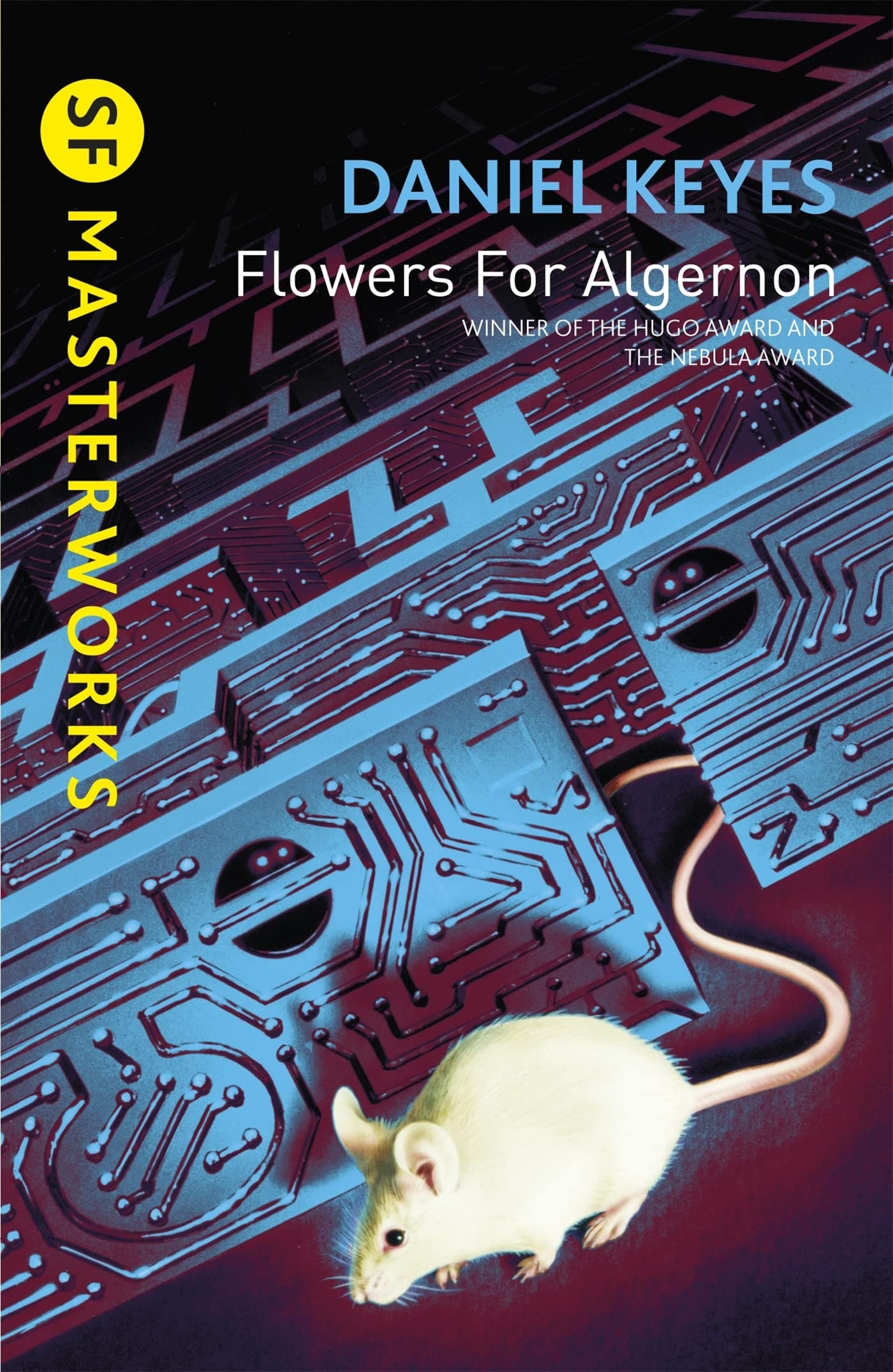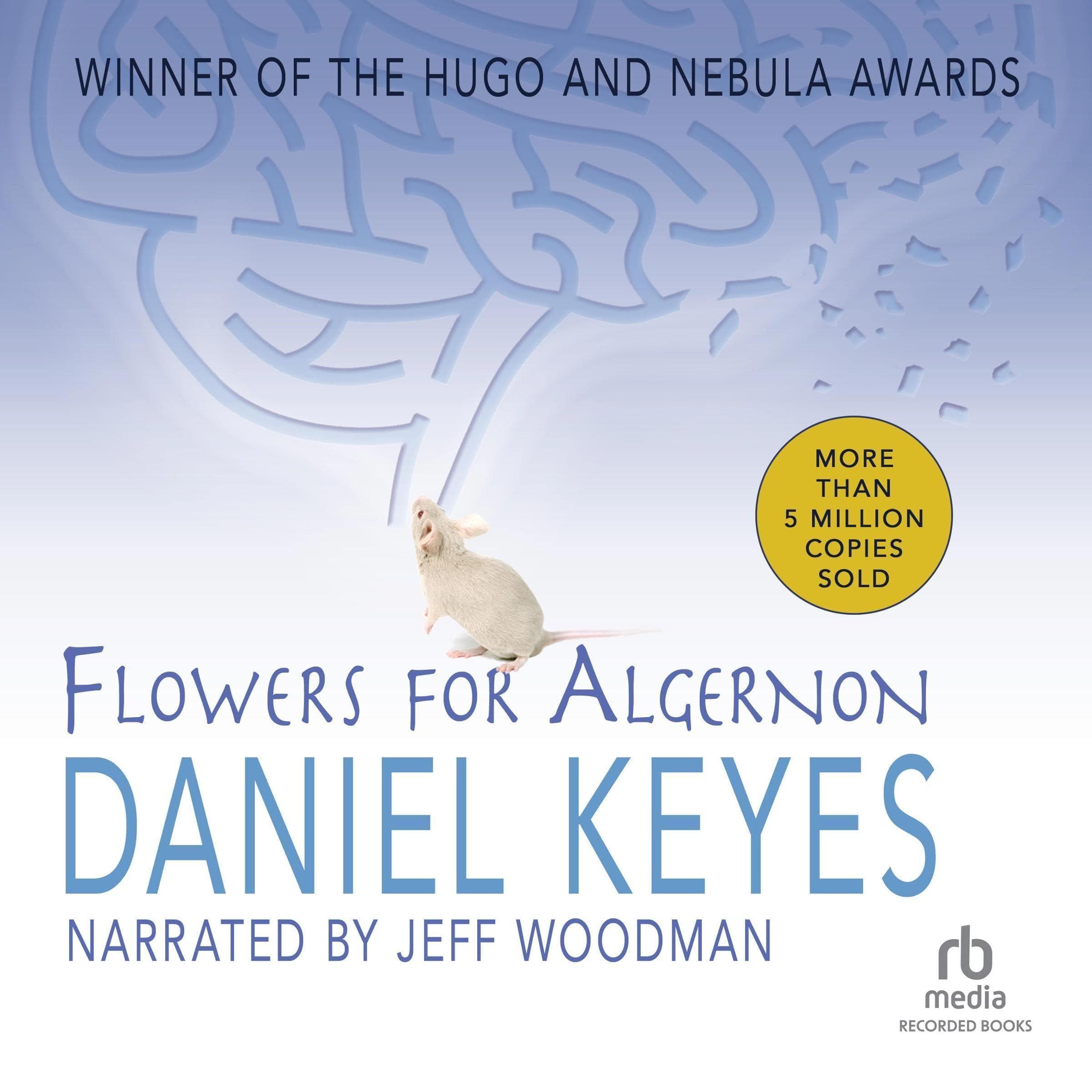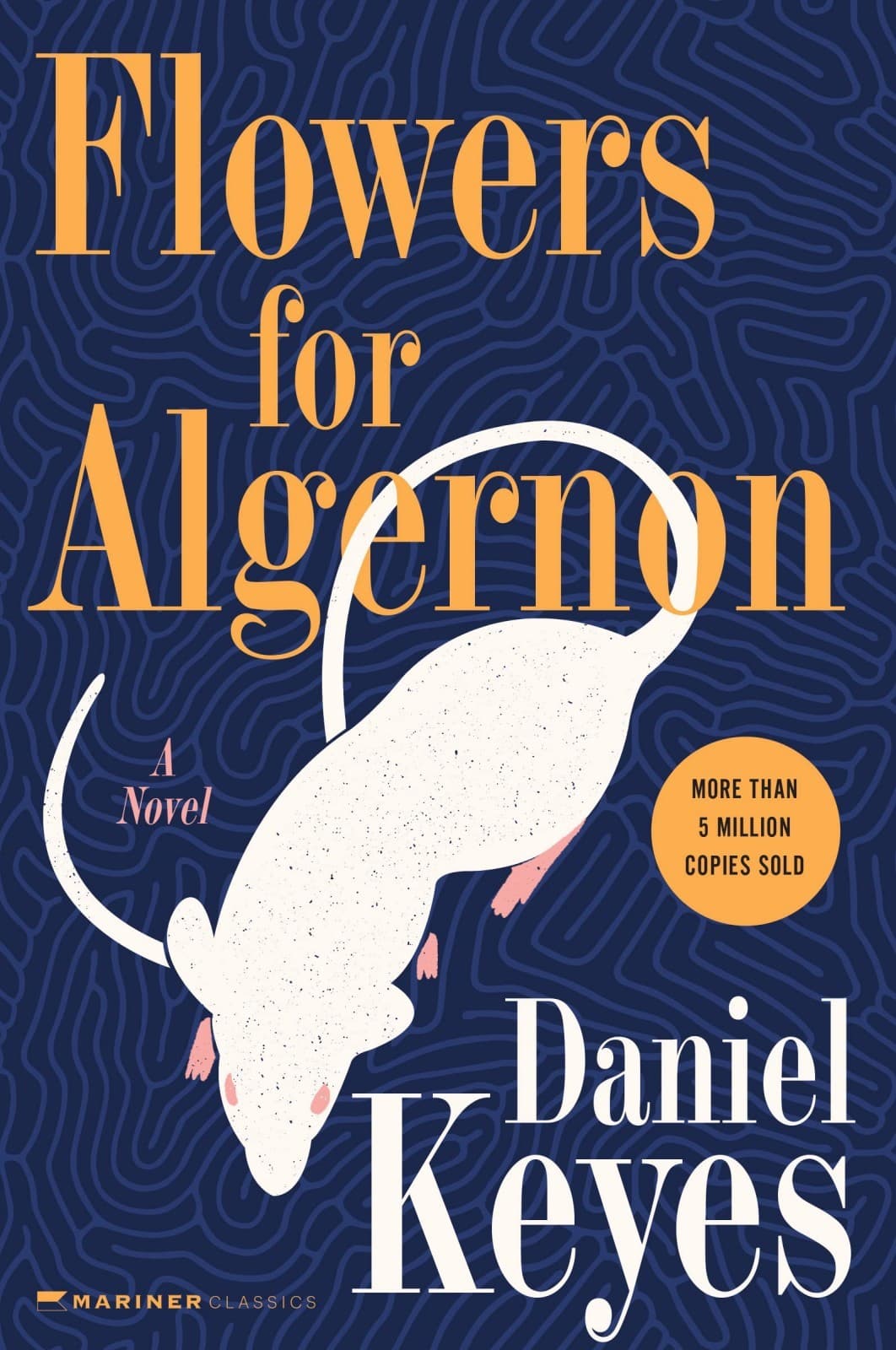
Flowers for Algernon is the beloved, classic story of a mentally disabled man whose experimental quest for intelligence mirrors that of Algernon, an extraordinary lab mouse. In poignant diary entries, Charlie tells how a brain operation increases his IQ and changes his life. As the experimental procedure takes effect, Charlie's intelligence expands until it surpasses that of the doctors who engineered his metamorphosis. The experiment seems to be a scientific breakthrough of paramount importance--until Algernon begins his sudden, unexpected deterioration. Will the same happen to Charlie?
Add to your library to track progress and write reviews
Find Flowers for Algernon Daniel Keyes in PDF, EPUB, ebook, audiobook, print, or library editions.
1 books in catalog
Exploring the profound boundaries of human intelligence, psychological identity, and empathy, speculative fiction gained one of its most enduring classics with the publication of the award-winning narrative Flowers for Algernon. Daniel Keyes crafted this compelling story of Charlie Gordon, a man with an intellectual disability who undergoes an experimental surgical procedure to dramatically boost his IQ, alongside a laboratory mouse named Algernon who undergoes the same transformation.
Born on August 9, 1927, in Brooklyn, New York, Keyes served as a ship's purser in the U.S. Maritime Service at age seventeen before earning a bachelor's degree in psychology from Brooklyn College. He worked as an associate editor for Marvel Science Stories, entered fashion photography, and taught English in New York City public schools while pursuing graduate studies in literature. Keyes later enjoyed a long academic career, teaching at Wayne State University and serving as a professor of English at Ohio University from 1966 until 1999, where he was appointed professor emeritus. In 2000, the Science Fiction and Fantasy Writers of America recognized his lasting legacy by honoring him as Author Emeritus prior to his death on June 15, 2014.
Keyes's writing frequently examines the intricate inner workings of the human mind, psychological fragmentation, and the social consequences of cognitive shifts. He relied on epistolary narrative structures, intimate first-person journals, and detailed psychological research to convey complex mental states. In addition to speculative fiction, Keyes produced notable works of true crime and psychological nonfiction, exploring real-world cases of multiple personality disorder and criminal consciousness with empathetic narrative depth.