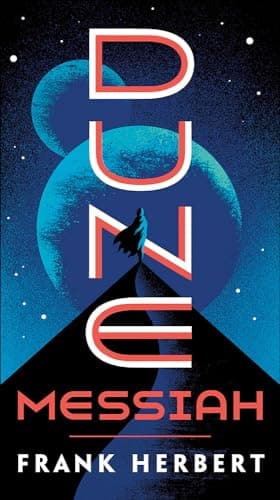
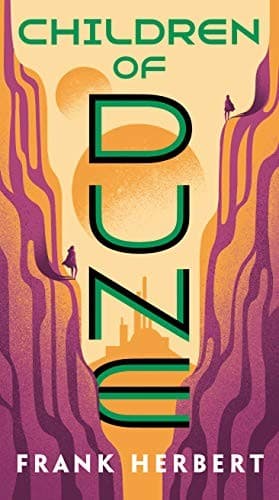
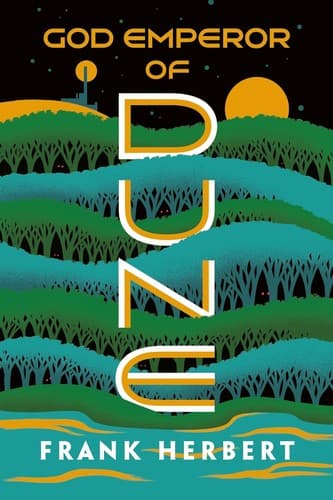
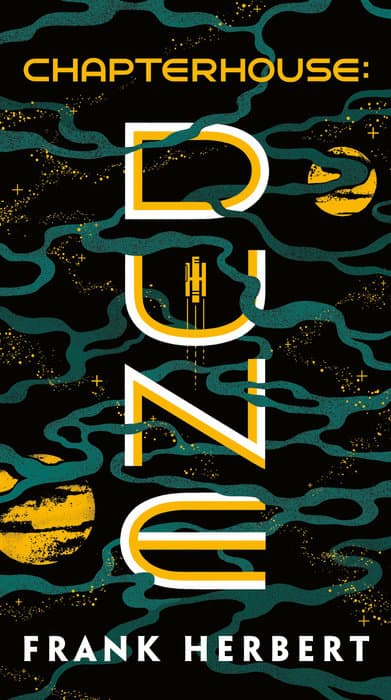
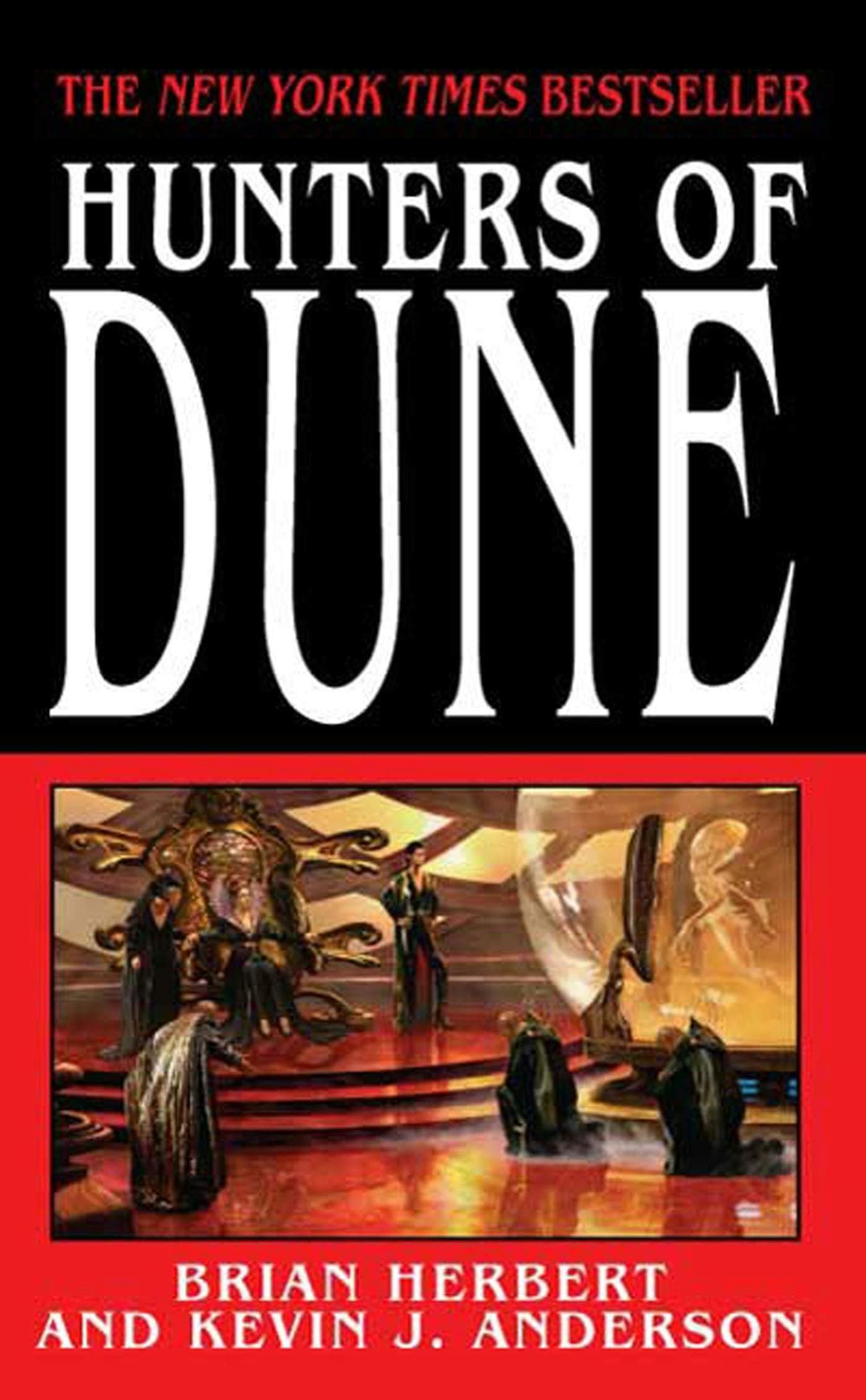
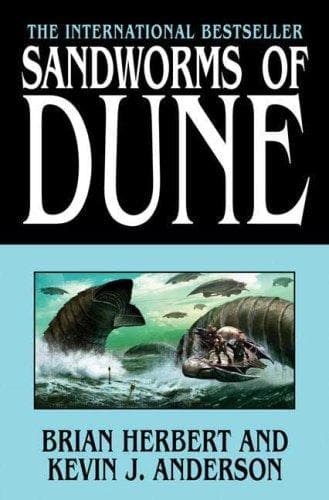
BooksDune Collection, 5 Vols.

In a far-flung future where interstellar travel depends entirely on a "spice" found only on the unforgiving desert planet of Arrakis, the socio-political landscape is a precarious balance between feudal Great Houses, a shadowy religious sisterhood, and a distant Emperor. When Duke Leto Atreides is ordered to leave his lush home world to take stewardship of Arrakis, he knowingly enters a political death trap. The narrative is not merely a tale of space-faring conquest but a meticulous examination of how environment, scarcity, and manufactured mythology can be used to control the course of human evolution.
As the Atreides family settles into the scorched capital of Arrakeen, they find themselves besieged by more than just heat and drought. Beneath the surface of colonial administration lies a complex web of indigenous resistance from the Fremen, ancient prophecies planted by the Bene Gesserit, and the looming presence of the Shai-Hulud—the colossal sandworms that rule the deep desert. The stakes are defined by the "spice melange," a substance that extends life and enables navigation through the stars, turning a desolate wasteland into the most volatile and valuable piece of real estate in the known universe.
The world of the Dune Collection is built on the ruins of a past conflict with "thinking machines," resulting in a strict prohibition against artificial intelligence. In its place, human beings have developed specialized mental disciplines: Mentats function as human computers, while the Bene Gesserit sisterhood has mastered physiological control and genetic record-keeping. This creates an atmosphere of high-stakes intrigue where information is the most dangerous weapon. On Arrakis itself, the environment dictates every social custom. Water is so scarce it serves as the primary currency, and the "stillsuit"—a garment designed to recycle the body's moisture—is the only thing standing between a human and the lethal heat of the dunes.
The initial character arc centers on Paul’s education and the shattering of his sheltered life. Trained by his father's lieutenants in the arts of war and by his mother in the "Ben Gesserit Way," Paul begins the series as a highly capable but uncertain student. His development is defined by his struggle to reconcile his analytical Mentat training with the terrifying, hallucinogenic foresight triggered by the spice. His relationship with his mother is central to the early narrative; they are partners in survival, yet their bond is strained by the secrets of her Order and the weight of the religious destiny they are forced to inhabit once they are cast out into the deep sands.
While the collection appears to follow the "Chosen One" archetype, Herbert uses the first half of the saga to critique the very idea of charismatic leadership. The prophecy surrounding Paul is explicitly described as a "Missionaria Protectiva"—a pre-seeded myth planted by a religious organization to ensure their members could find sanctuary among indigenous peoples. By showing the mechanical gears behind the miracle, Herbert subverts the traditional hero’s journey, framing it instead as a warning about the intersection of religion and power. Furthermore, the series blends hard science fiction with ecological mysticism, shifting the focus from technological wonder to the cold realities of resource management and biological adaptation.
Add to your library to track progress and write reviews
Find Dune Collection, 5 Vols. Frank Herbert in PDF, EPUB, ebook, audiobook, print, or library editions.

22 books in catalog
The desert planet of Arrakis, with its giant sandworms, complex ecology, and political factions vying for control over the spice melange, remains one of the most thoroughly detailed world-building achievements in speculative fiction. American author Frank Herbert introduced this setting in his seminal 1965 novel Dune, creating an expansive universe that transformed epic science fiction by weaving together ecology, philosophy, religion, and political intrigue.
Born in Tacoma, Washington in 1920, Herbert spent his youth in the Pacific Northwest and worked on local newspapers as a teenager. He attended the University of Washington in Seattle and worked a wide variety of jobs throughout his early adult life, including time as a TV cameraman, radio commentator, oyster diver, jungle survival instructor, lay analyst, and creative writing teacher. He also worked as a reporter and later editor of a number of West Coast newspapers before becoming a full-time writer. Herbert began publishing science fiction in 1952 with his short story 'Looking for Something?' in Startling Stories. His research into the Oregon Dunes during the 1950s served as a primary catalyst for his ecological themes. He achieved widespread fame more than ten years later following the serial publication in Analog of 'Dune World' and 'The Prophet of Dune', which were amalgamated into the novel Dune in 1965.
Herbert's fiction is distinguished by its intricate world-building, ecological awareness, and deep examination of human potential and institutional vulnerability. Rather than relying solely on technological advancement, his narrative focus often centers on human adaptability, psychological conditioning, religious mythmaking, and the perilous consequences of messianic leadership. He frequently explored how harsh environments shape cultures, social structures, and survival strategies, a focus prominently displayed in novels such as Destination: Void and The Jesus Incident alongside his desert sagas.
Dune