§Synopsis
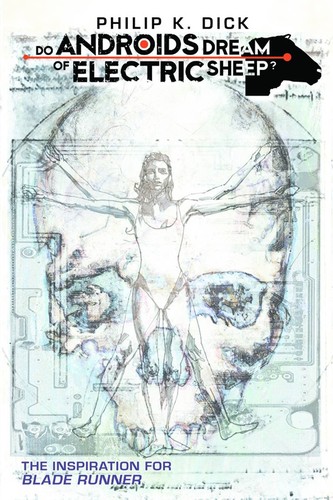
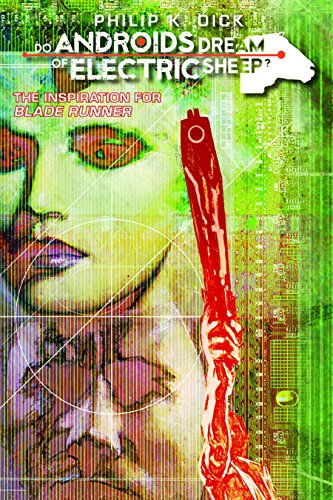
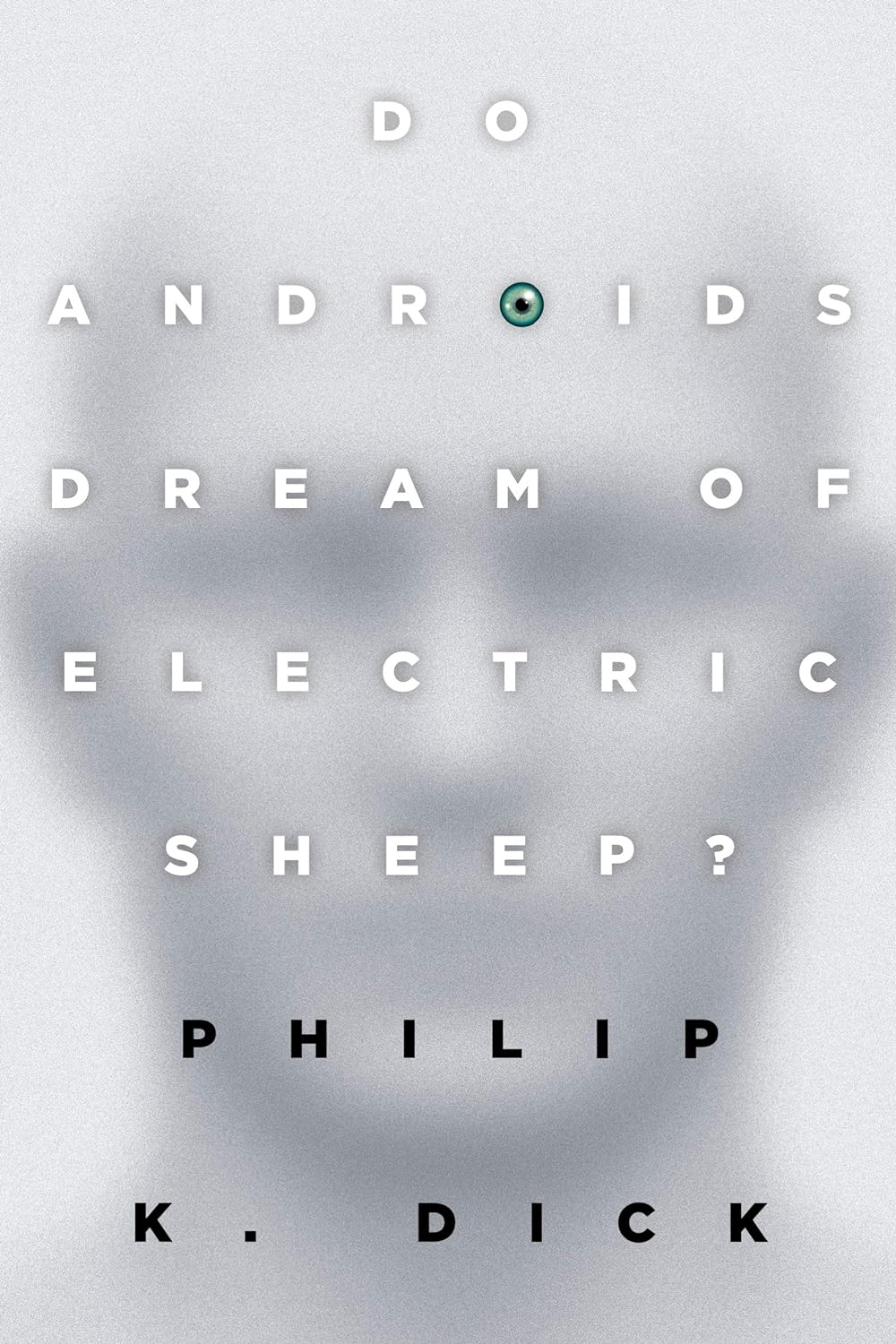
01By 2021, the World War has killed millions, driving entire species into extinction and sending mankind off-planet. Those who remain covet any living creature, and for people who can’t afford one, companies built incredibly realistic simulacra: horses, birds, cats, sheep. They’ve even built humans. Immigrants to Mars receive androids so sophisticated they are indistinguishable from true men or women. Fearful of the havoc these artificial humans can wreak, the government bans them from Earth. Driven into hiding, unauthorized androids live among human beings, undetected. Rick Deckard, an officially sanctioned bounty hunter, is commissioned to find rogue androids and “retire” them. But when cornered, androids fight back—with lethal force.
§Our take
Read the book before you trust your memory of the film. Blade Runner changed so much that critics writing after 1982 often review the wrong thing, and the novel has a whole layer the movie dropped: Mercerism, a religion built around an empathy box, plus the electric animals and the status anxiety of owning something real. The empathy test is supposed to mark the line between human and android, but the book keeps undermining its own rule, showing human empathy as selective and performative. Even admirers call the prose lumpy and the structure hard to follow in places, and some treat the clumsiness as a sign of depth rather than a flaw. The setting is a nearly emptied San Francisco, not the film's rain-soaked Los Angeles, and the noir bones are there: a hard-boiled investigator in a corrupt world. It's short, fast, and hypnotic despite the pulpy surfaces. If you want polished sentences, look elsewhere. If you want big questions in a plot you can finish in a sitting, this is the one.
§Themes
- Empathy as a weapon
- The Voigt-Kampff test makes empathy the mark of humanity, yet the novel shows humans wielding it to exclude androids and 'specials'.
- Animals as status
- With real creatures scarce, owning a live one confers prestige, and Deckard's longing for a goat reads as keeping up with the neighbours.
- Religion and fraud
- Mercerism, built on shared empathy rituals, gets read by essayists as a critique of organized religion.
- Real versus simulated
- The android becomes a figure for humans turning mechanical, and the line between real and artificial keeps blurring.
§How it was received
It got a Nebula nomination in 1968 and landed 51st on the 1998 Locus Poll of pre-1990 SF — honours, sure, but the real case for this book is what the critics keep arguing about. They call the prose clumsy and the structure hard to follow while finding the ideas inventive, and they link Dick to Kafka, Dickens and Camus. Its reputation is now tangled up with the 1982 film, so pre-1982 criticism is the safer guide to the book itself.
§Read it if
- You loved Blade Runner and want the layer the film dropped: Mercerism, electric animals, 'specials' and a postapocalyptic San Francisco
- You like noir structure with a philosophical payoff and don't mind a dreamlike, unsettling ending
- You want big ideas in a book you can finish in one sitting
§Skip it if
- You want polished prose. Even fans call the writing lumpy and the structure loose.
- Dated treatment of female characters and sexual content will pull you out of the story
§Before you start
- Reading experience
- Short and quick, about 210 pages in one edition, with lumpy prose that's easy to follow even where the structure wobbles.
- Content notes
- A bounty hunter kills androids, who fight back with lethal force; Sexual references and dated treatment of female characters, including sex with an android.
§Common questions
- Is Do Androids Dream of Electric Sheep the same as Blade Runner?
- No. The 1982 film is a loose adaptation that changed much of the story, and later editions were retitled Blade Runner even though the term isn't in the original. The book has Mercerism, electric animals and a San Francisco setting the film doesn't.
- Do I need to read the Blade Runner sequels?
- No. K. W. Jeter's three authorized novels follow the film, not the book, and this novel is standalone.
- Is the book better than the film?
- Genuinely split verdicts. Some readers swear the film lets its themes breathe; others say almost nothing of the novel survives on screen and both come out fine. The book wins on depth.
§If you liked this
- More Than Human by Theodore Sturgeon — The Sturgeon novel that shaped Dick's own writing — read it to see where some of this came from.
- We Can Build You by Philip K. Dick — Dick's own earlier novel on simulated humans; one scholar argues this book works as its sequel.
- The Trial by Franz Kafka — Critics compare Deckard to Joseph K., and the Kafka comparison is the one that sticks.
- Blade Runner 2: The Edge of Human by K. W. Jeter — An authorized sequel, but it follows the film's continuity, not the novel's.
Track this book
Add to your library to track progress and write reviews