Stories of isolated individuals trapped in absurd, nightmarish bureaucratic mazes and surreal transformations defined a distinct mode of modern fiction. Born in Prague in 1883, Franz Kafka became a central German-language writer of the twentieth century whose novella The Metamorphosis and posthumously published novels created an enduring framework for exploring psychological alienation and institutional power.
Career & Background
Raised in an upper middle-class Jewish family in Prague, Kafka studied law at the German University in Prague, where he met his close friend and eventual literary executor Max Brod in 1902. After earning his law degree, he worked as an insurance clerk from 1907 until 1922, fulfilling his professional duties conscientiously while writing in his spare time. In 1917, Kafka was diagnosed with pulmonary tuberculosis, a severe illness he fought for seven years until his death at a sanatorium in Kierling, Austria, in 1924. Before dying, Kafka requested that Brod destroy his unpublished manuscripts, but Brod defied these instructions to ensure the work reached publication.
Writing Style & Themes
Fusing precise, matter-of-fact realism with bizarre and fantastique elements, Kafka's writing depicts vulnerable protagonists contending with incomprehensible socio-bureaucratic structures. His narratives explore recurring themes of isolation, existential anxiety, family tension, and administrative oppression, giving rise to the term Kafkaesque to describe surreal, illogical dilemmas. In addition to his primary novels and novellas, Kafka composed brief fables, parables, and aphorisms that express profound skepticism toward authority and human agency.
Major Works
- The Metamorphosis — Published in 1915, this novella recounts the story of Gregor Samsa, a traveling salesman who awakens one morning to find himself transformed into a giant insect, fundamentally altering his relationship with his family and society.
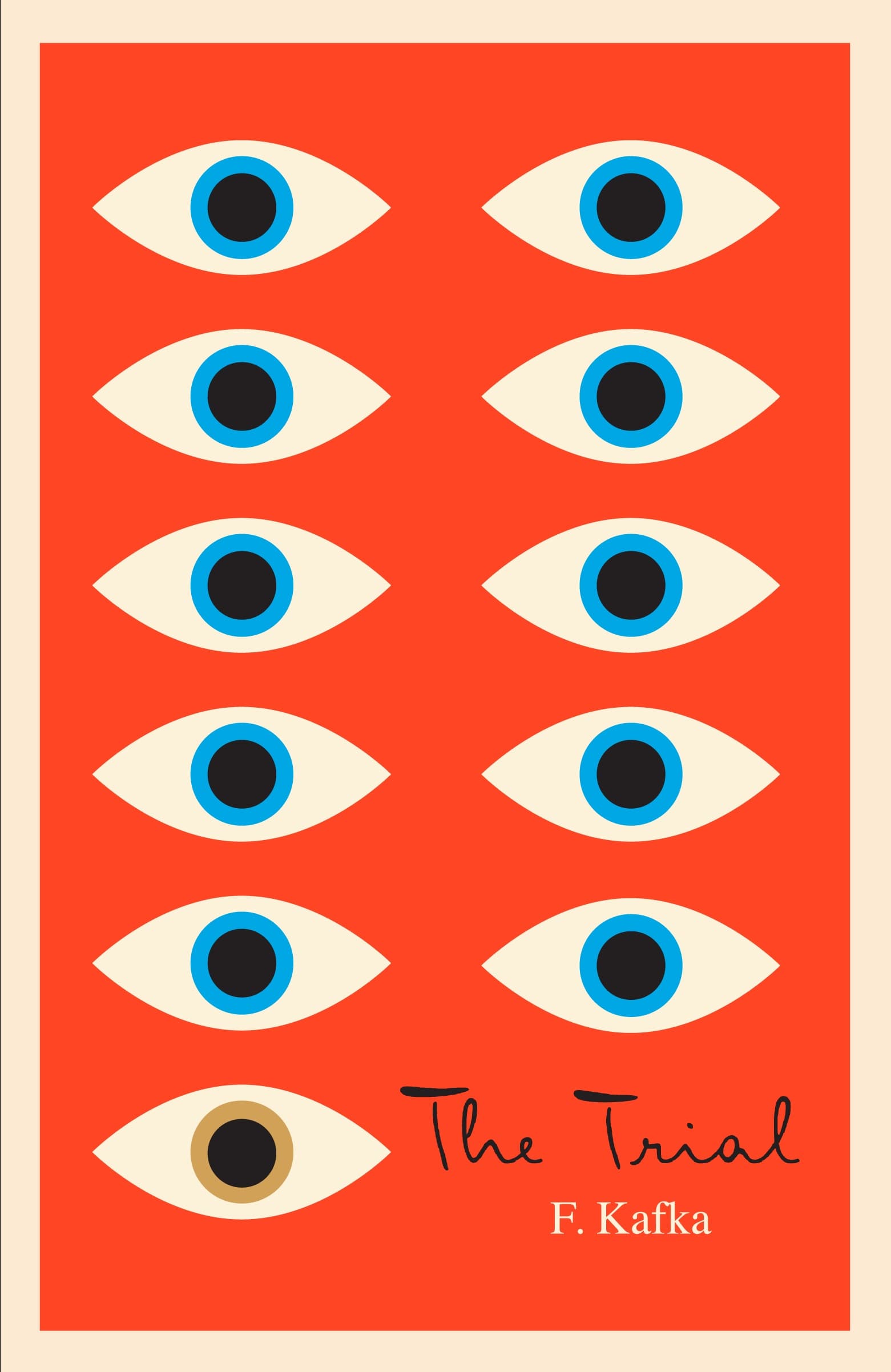
- The Trial — Also published under its original German title Der Prozeß, this novel follows Josef K., a bank officer who is unexpectedly arrested and prosecuted by a secretive, inaccessible judicial system for a crime that is never revealed.
- The Castle — Published posthumously in 1926, this novel details the efforts of a land surveyor named K. as he attempts in vain to gain recognition and entry from the mysterious administrative authorities governing a remote village.
- Amerika — Written early in his creative life and published posthumously, this novel follows Karl Roßmann, a young European emigrant who journeys through a surreal, reimagined portrait of the United States.