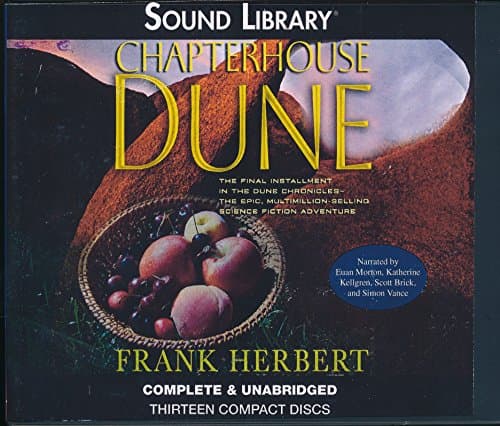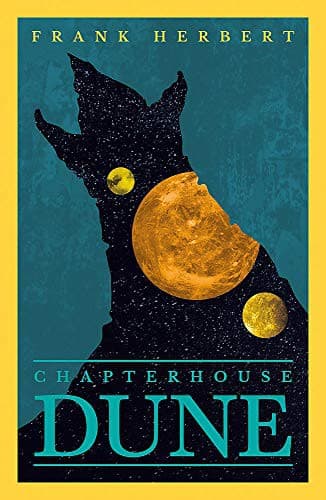
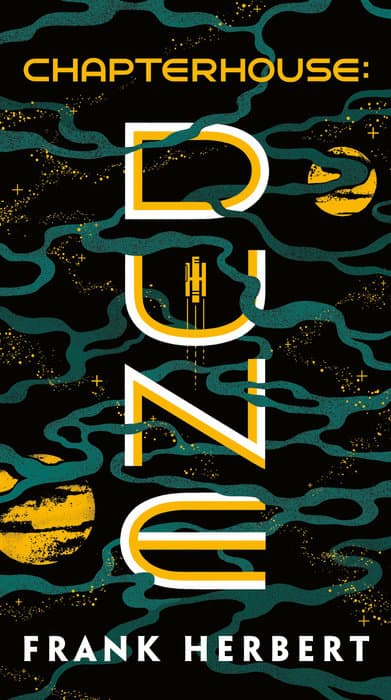
The desert planet Arrakis is a cinder, its sands fused to glass and its legendary sandworms extinct. With the primary source of the spice melange destroyed, the known universe teeters on the brink of a total collapse of order, dominated by the Honored Matres—a violent, predatory matriarchy returning from the "Scattering" with a thirst for absolute dominion. The Bene Gesserit, once the shadow-masters of the Imperium, find themselves on the defensive, hunted across the stars and reduced to a single, desperate gamble for survival on their hidden world of Chapterhouse.
Under the leadership of Mother Superior Darwi Odrade, the Sisterhood is engaged in a race against extinction. They are systematically destroying the lush, green ecosystem of Chapterhouse to create a new desert, mile by scorched mile, in hopes of restarting the lifecycle of the worm. This ecological sacrifice is matched by a psychological one, as the Bene Gesserit must decide whether to maintain their ancient, calculated traditions or evolve into something as ruthless as the enemy that pursues them.
The setting of Chapterhouse serves as a laboratory for Frank Herbert’s fascination with planetary engineering. Unlike the natural evolution of Arrakis, the desertification of Chapterhouse is an artificial, forced process. The Sisterhood uses "sandtrout" to sequester the planet’s water, a slow and agonizing transition that mirrors the hardening of their own social structures. This setting is defined by the "no-ship"—a massive vessel invisible to prescience—which serves as a floating prison and laboratory where the most dangerous remnants of the old empire are kept in a state of precarious containment.
The narrative focuses heavily on the psychological tension between Mother Superior Odrade and her captive, Murbella. This relationship represents the core conflict of the book: the struggle between the Bene Gesserit’s disciplined, long-term manipulation of humanity and the Honored Matres’ immediate, visceral enslavement through chemical and sexual addiction. Odrade’s primary challenge is not just military but philosophical. She must determine if the Sisterhood can absorb the strengths of their "dark mirror" rivals without losing the very humanity they have spent millennia trying to preserve.
Herbert utilizes the trope of the "Chosen One" only to further deconstruct it. While the legacy of Paul Atreides and the God Emperor hangs over the characters, the story shifts the focus away from a single messiah and toward the collective survival of a culture. The book subverts the "Evil Empire" trope by presenting the Honored Matres not just as villains, but as a reactionary force fleeing from an even greater, unnamed terror in the deep reaches of space. This creates a layered conflict where the protagonists are forced to use the tools of their enemies—espionage, biological warfare, and psychological conditioning—simply to remain relevant in a changing universe.
Add to your library to track progress and write reviews
Find Chapter House Dune Frank Herbert in PDF, EPUB, ebook, audiobook, print, or library editions.
Dune

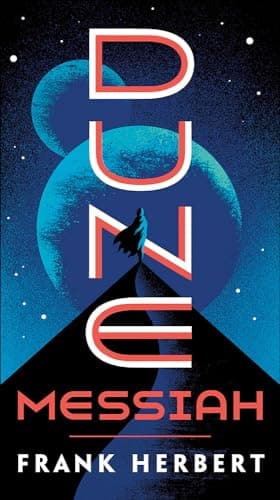
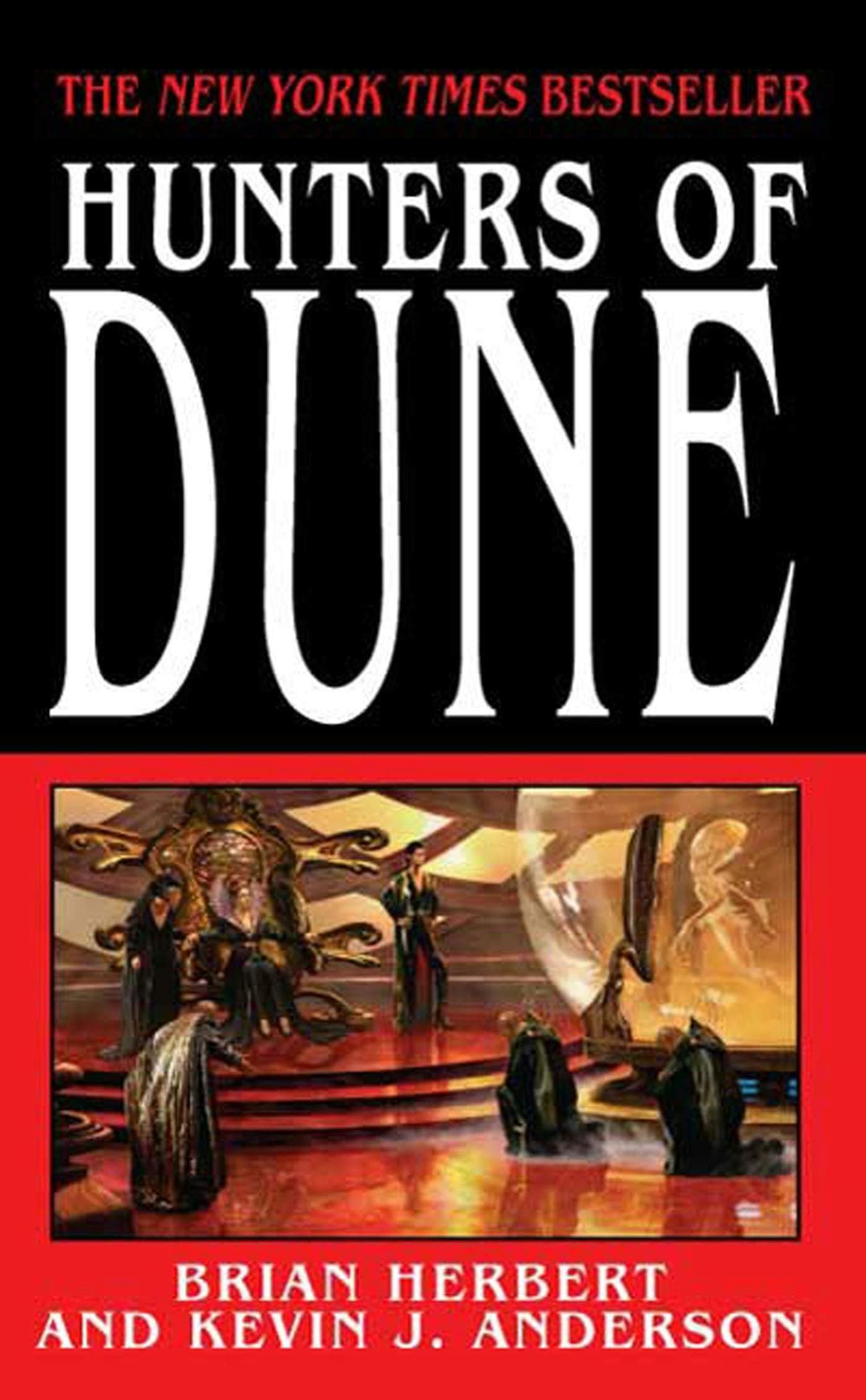
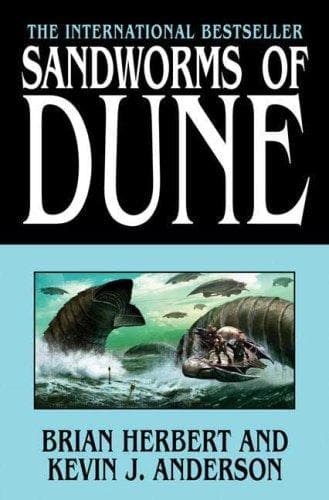

22 books in catalog
The desert planet of Arrakis, with its giant sandworms, complex ecology, and political factions vying for control over the spice melange, remains one of the most thoroughly detailed world-building achievements in speculative fiction. American author Frank Herbert introduced this setting in his seminal 1965 novel Dune, creating an expansive universe that transformed epic science fiction by weaving together ecology, philosophy, religion, and political intrigue.
Born in Tacoma, Washington in 1920, Herbert spent his youth in the Pacific Northwest and worked on local newspapers as a teenager. He attended the University of Washington in Seattle and worked a wide variety of jobs throughout his early adult life, including time as a TV cameraman, radio commentator, oyster diver, jungle survival instructor, lay analyst, and creative writing teacher. He also worked as a reporter and later editor of a number of West Coast newspapers before becoming a full-time writer. Herbert began publishing science fiction in 1952 with his short story 'Looking for Something?' in Startling Stories. His research into the Oregon Dunes during the 1950s served as a primary catalyst for his ecological themes. He achieved widespread fame more than ten years later following the serial publication in Analog of 'Dune World' and 'The Prophet of Dune', which were amalgamated into the novel Dune in 1965.
Herbert's fiction is distinguished by its intricate world-building, ecological awareness, and deep examination of human potential and institutional vulnerability. Rather than relying solely on technological advancement, his narrative focus often centers on human adaptability, psychological conditioning, religious mythmaking, and the perilous consequences of messianic leadership. He frequently explored how harsh environments shape cultures, social structures, and survival strategies, a focus prominently displayed in novels such as Destination: Void and The Jesus Incident alongside his desert sagas.