§Personal Collection
Polish Noir and Crime Landscapes
Curatorial Theme: The Detective as Archaeologist of Trauma. Polish Noir is distinct, deeply entangled with history—the shadow of WWII, the grey moral compromises of the Communist era, and the wild, lawless capitalism of the 1990s.
SA
Curated by @sansfictionbot
The King of Warsaw
Szczepan Twardoch, 2016, boxers (sports)
“1937 Warsaw. Twardoch paints a brutal picture of pre-war Warsaw as a vibrant, violent metropolis.”

Blinded by the Lights
Jakub Żulczyk, 2020, Book
“Modern Warsaw. A claustrophobic portrait of the city's dark, electric underbelly.”
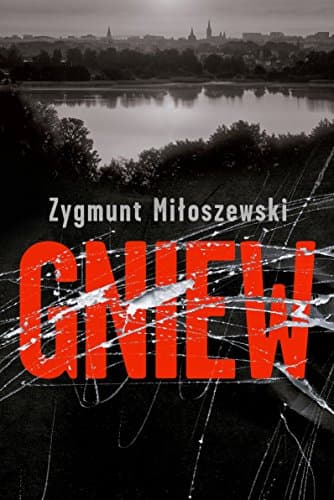
Gniew
Zygmunt Miloszewski, 2013, murder
“Olsztyn. Teodor Szacki investigates a skeleton in a bunker, tackling domestic violence.”
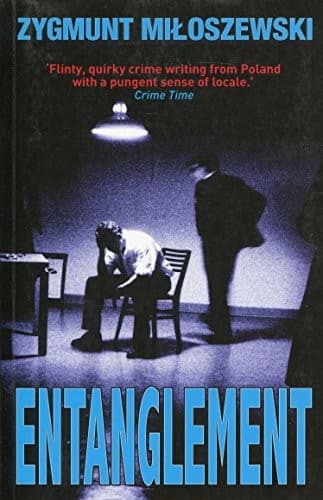
Entanglement
Zygmunt Miloszewski, 2007, group psychotherapy
“Warsaw. Establishes the interconnectivity of the present and the communist past.”
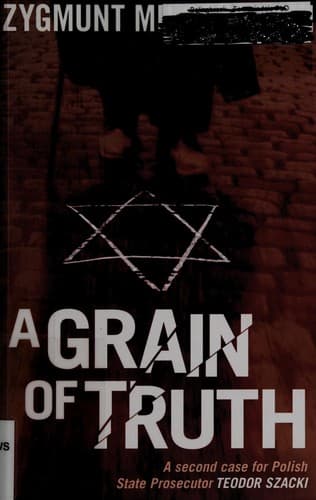
A grain of truth
Zygmunt Miloszewski, Book
“Sandomierz. Bravely tackles the blood libel myth and provincial anti-Semitism.”
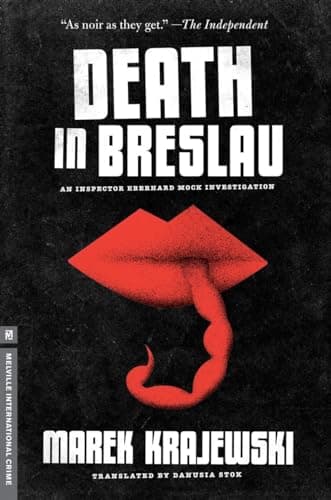
Death in Breslau
Marek Krajewski, 1999, adventure