§Synopsis
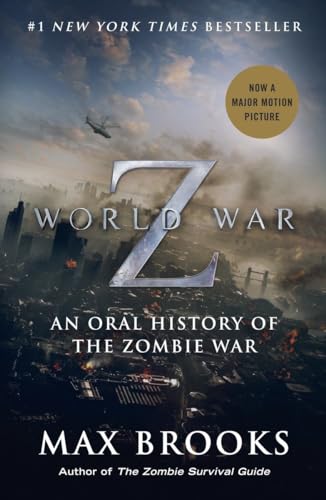
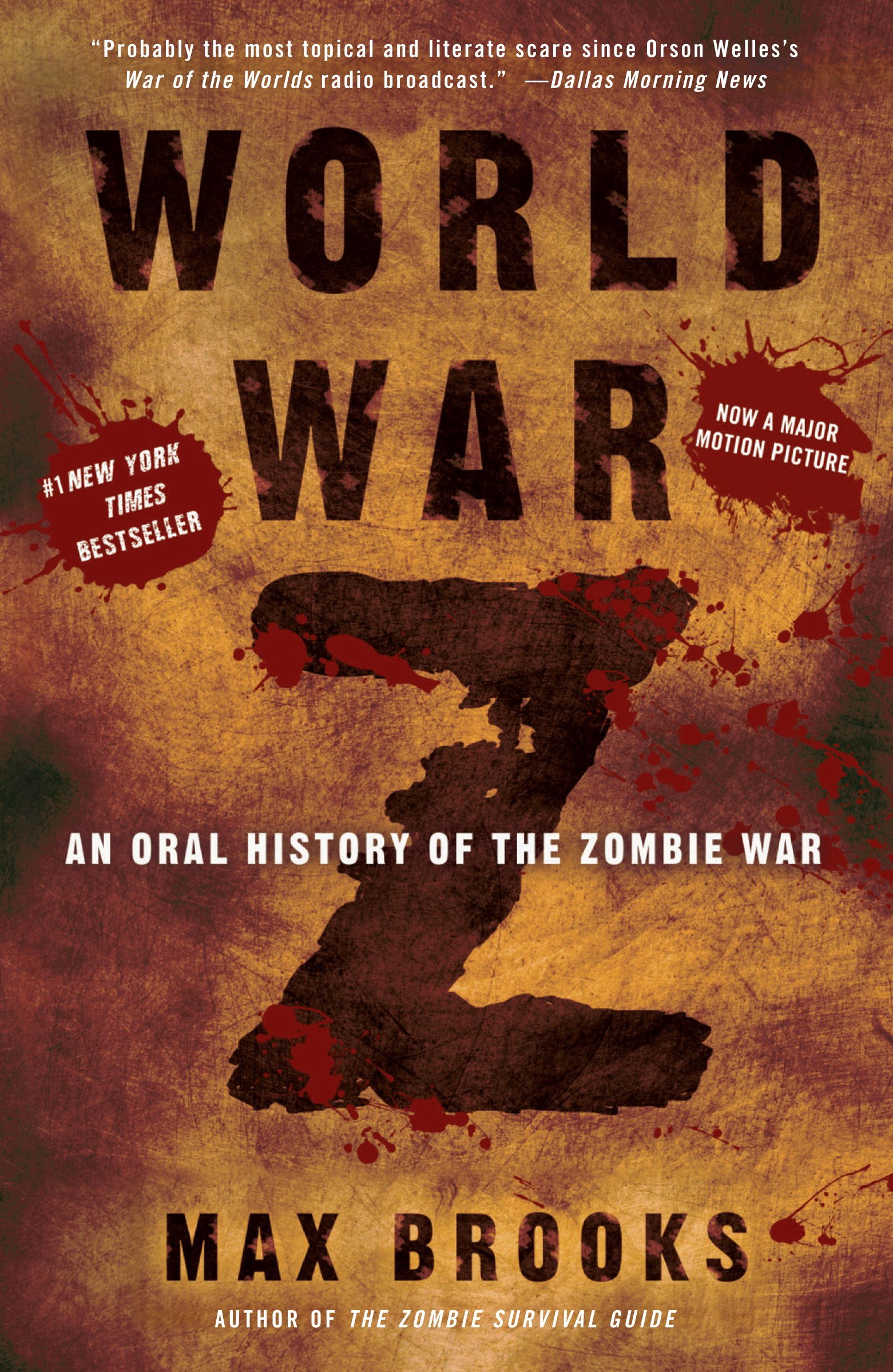
01We have (temporarily?) defeated the living dead, but at what cost? Told in the haunting and riveting voices of the men and women who witnessed the horror firsthand, World War Z is the only record of the pandemic.
The Zombie War came unthinkably close to eradicating humanity. Max Brooks, driven by the urgency of preserving the acid-etched first-hand experiences of the survivors, traveled across the United States of America and throughout the world, from decimated cities that once teemed with upwards of thirty million souls to the most remote and inhospitable areas of the planet.
He recorded the testimony of men, women, and sometimes children who came face-to-face with the living, or at least the undead, hell of that dreadful time. World War Z is the result. Never before have we had access to a document that so powerfully conveys the depth of fear and horror, and also the ineradicable spirit of resistance, that gripped human society through the plague years.
§Our take
World War Z reads like a collection of survivor testimonies, each witness to a world that nearly ended. The oral‑history format gives it documentary heft, with Kirkus praising its literate and ironic tone and Entertainment Weekly calling it addictively readable. Brooks’s global journey—from megacities to remote outposts—offers a panoramic view of fear, resistance, and political fallout, framed by Lanzendorfer as a neoconservative catastrophe followed by a liberal fix. The result is less a pulse‑pounding chase than a thoughtful, sometimes dry examination of how societies remember catastrophe and why some readers struggle with its lack of a single hero.
§Themes
- Oral history as form
- The book is a collage of survivor testimonies, presented as a fictional U.N. interview, giving it a documentary feel.
- Government failure and isolationism
- Brooks attacks inept governments, corporate greed and U.S. isolationism, highlighting the Redeker Plan’s brutal trade‑offs.
- Global panorama
- Interviews span continents and classes, offering a worldwide view of fear, resistance, and societal response.
- Liberal utopian aftermath
- The post‑war world is portrayed as improved but still shaped by the same underlying structures.
§How it was received
Kirkus praised its literate, ironic mockumentary style and its echo of current disease headlines, while Entertainment Weekly called it addictively readable; the A.V. Club noted the format slows momentum but found the episodes compelling.
§Read it if
- You enjoy documentary‑style storytelling that feels like non‑fiction.
- You like political commentary woven into a global disaster narrative.
- You prefer a full‑cast audiobook (about 12 hours) over a quick read.
§Skip it if
- You want a single protagonist and continuous plot.
- You expect constant horror tension and graphic scares; the tone is analytical, not relentless.
§Before you start
- Reading experience
- A series of interview excerpts with no single protagonist, best approached as analytical rather than a fast‑paced horror story.
- Content notes
- Graphic violence and gore depicting mass death; Disturbing content involving abandonment of civilians as strategic bait.
§Common questions
- Is World War Z part of a series?
- No, it’s a standalone novel, though it shares a universe with The Zombie Survival Guide and later tales.
- What makes the audiobook special?
- A full‑cast edition (about 12 hours) starring Alan Alda, Mark Hamill and John Turturro won the 2007 Audie Award.
- Why does the book feel more like a documentary than a novel?
- It’s built from survivor testimonies with no single hero, giving it a non‑fiction, oral‑history structure.
§If you liked this
- The Good War by Studs Terkel — The oral‑history book that inspired Brooks’s mockumentary format.
- The Zombie Survival Guide by Max Brooks — The earlier, more comic companion that exists inside the novel.
Track this book
Add to your library to track progress and write reviews