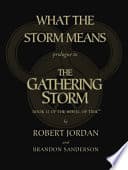
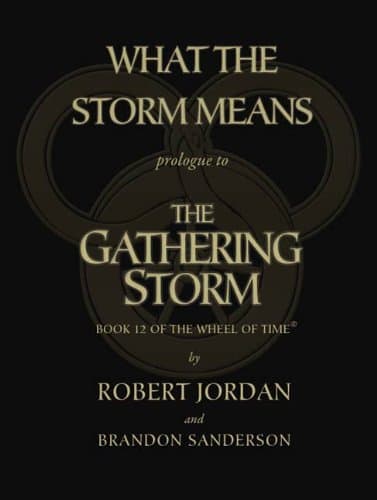
BooksWhat the Storm Means: Prologue to The Gathering Storm
№ 11.9 · The Wheel of Time
The shadow of the Last Battle looms over a world fractured by ancient bloodlines and modern wars. As the Pattern begins to unravel, Rand al’Thor, the Dragon Reborn, faces the Herculean task of forging a unified front from nations that have spent centuries in conflict. His efforts are hampered not just by the encroaching armies of the Seanchan invaders, but by a growing darkness within himself—a coldness he believes is necessary to survive the coming apocalypse, but which his closest allies fear may be his psychological undoing.
While the Dragon Reborn prepares for a physical war, a battle for the soul of the Aes Sedai takes place within the very walls intended to protect the world. The spiritual heart of the land, the White Tower, remains a house divided, testing the resolve of those who would lead it. This prologue sets the stage for a final reckoning where the greatest enemy is not merely the external threat of the Dark One, but the internal collapse of the leaders meant to stand against him.
The world-building in this entry emphasizes the physical and metaphysical "decay" of the setting. The Dark One’s touch has progressed from a distant threat to a tangible force affecting the weather, the food supply, and the stability of reality itself. The One Power remains the central pivot of the conflict, divided between the female saidar and the male saidin. The latter remains a source of immense power haunted by a historical taint that causes madness, creating a constant tension between Rand’s need for power and his fear of losing his mind before the Last Battle begins.
The narrative focuses heavily on the psychological shift of the protagonist from a reluctant hero to a cold, calculating sovereign. Rand’s development is defined by his interpretation of the "Mountain and the Feather"—the heavy weight of duty versus the lightness of death. His relationship with his advisors and friends becomes increasingly strained as he adopts a philosophy of emotional detachment, believing that only a man of "steel" can survive the coming fires. This internal hardening creates a moral dilemma: in his quest to save the world, he may be destroying the very humanity that makes the world worth saving.
While the series is a cornerstone of the "Chosen One" narrative, the story continues to subvert this trope by exploring the logistical and political consequences of such a destiny. Rather than being welcomed as a savior, the Dragon Reborn is viewed with a mixture of hope and abject terror. The trope of the "Unified Alliance" is replaced by realistic geopolitical friction, where kingdoms are more concerned with their borders and historical grudges than the literal end of the world. The focus is not on the glory of the prophecy, but on the messy, administrative, and mental toll of trying to fulfill it.
Add to your library to track progress and write reviews
Find What the Storm Means: Prologue to The Gathering Storm Robert Jordan in PDF, EPUB, ebook, audiobook, print, or library editions.
The Wheel of Time
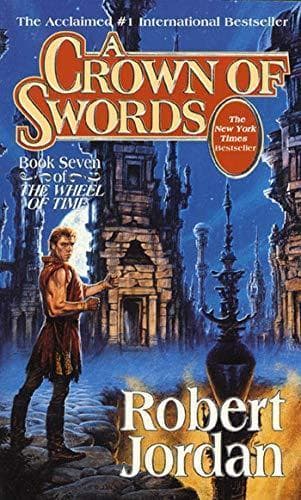
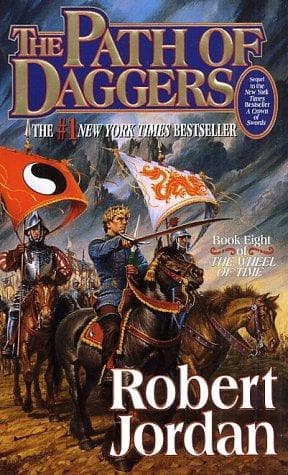
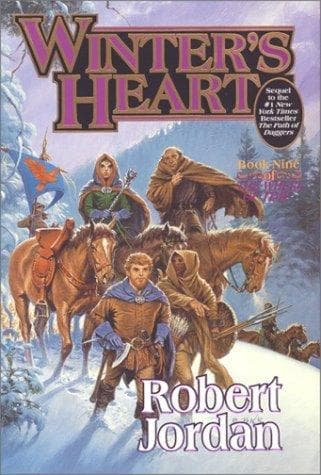

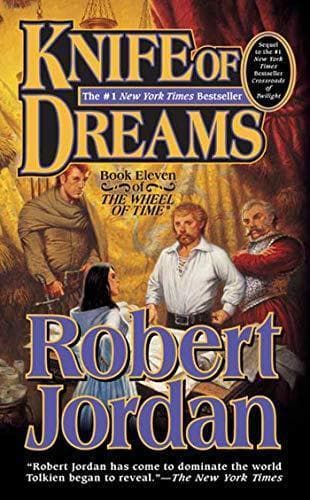

21 books in catalog
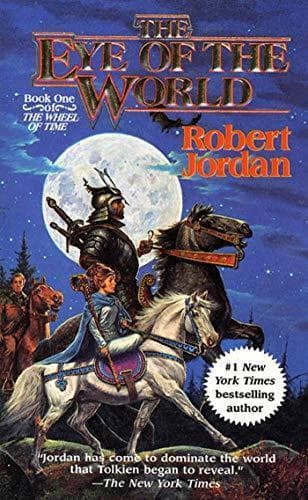
The sprawling high fantasy genre was redefined by The Wheel of Time, an expansive multi-volume narrative featuring intricate worldbuilding, complex magic systems, and dozens of intersecting character arcs. Writing under the pen name Robert Jordan, James Oliver Rigney, Jr. created one of epic fantasy's most widely read sagas, beginning with The Eye of the World in 1990.
Across 14 main-sequence novels and a prequel, Jordan's work established a benchmark for modern fantasy series length and detail, selling over 90 million copies worldwide and drawing millions of readers into its vast secondary world.
Born James Oliver Rigney, Jr. on October 17, 1948, in Charleston, South Carolina, he taught himself to read at age four and was reading Mark Twain and Jules Verne by five. He served two tours in Vietnam with the United States Army from 1968 to 1970, earning decorations including the Distinguished Flying Cross with bronze oak leaf cluster. Upon returning to South Carolina, he earned a Bachelor of Science degree in physics from The Citadel in 1974 and worked as a nuclear engineer for the military until 1978, when he turned to full-time writing.
Before achieving worldwide fantasy success, Rigney adopted several pseudonyms across multiple genres. He wrote historical family sagas as Reagan O'Neal, starting with The Fallon Blood in 1980, and published a western novel titled Cheyenne Raiders under the name Jackson O'Reilly in 1982. Writing as Chang Lung, he published dance criticism, and he also ghostwrote an international thriller that remains credited to another author. In 1982, adopting the name Robert Jordan, he wrote the novelization for the Conan movie and went on to author seven original Conan the Barbarian novels, which received high praise from fans of Robert E. Howard's classic character.
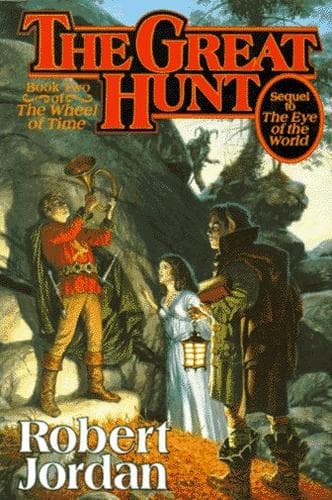
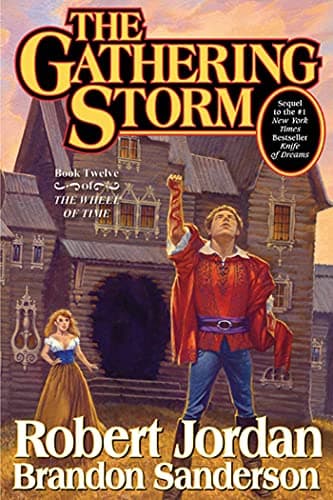
Jordan began his signature epic fantasy saga with Tor Books when The Eye of the World appeared in 1990. The series expanded through subsequent releases such as The Great Hunt, The Dragon Reborn, The Shadow Rising, The Fires of Heaven, A Crown of Swords, The Path of Daggers, Winter's Heart, Crossroads of Twilight, and Knife of Dreams. Following Jordan's death in Charleston on September 16, 2007, the series was concluded using his extensive notes, culminating in volumes including The Gathering Storm.
Jordan's writing style is characterized by meticulous worldbuilding, expansive plotlines, and deeply detailed descriptions of cultural attire, geography, and political structures. His central magic system, the One Power, operates on precise dualities and rules, framing an ongoing conflict between light and dark forces across cyclic ages. Themes of duty, power, gender dynamics, and the burden of destiny recur throughout his work, as individual protagonists are drawn into large-scale geopolitical conflicts.
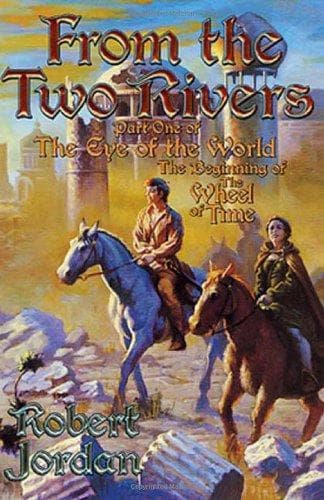
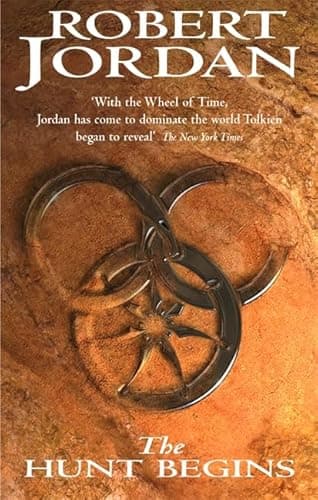
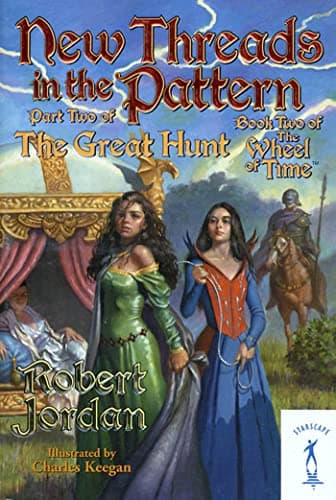
To make his long novels accessible to wider audiences, publisher variations split early installments into smaller parts, producing titles such as From the Two Rivers: The Eye of the World, Part 1, New Threads in the Pattern: The Great Hunt, Part 2, and The Hunt Begins. Short companion pieces and standalone commentaries, such as The Strike at Shayol Ghul (published in Spanish as El ataque a Shayol Ghul) and promotional previews like Glimmers: Prologue to Crossroads of Twilight and What the Storm Means: Prologue to The Gathering Storm, further expanded the lore of his fictional universe.