SSansFiction
The libraryCollectionsJournalStatsFor authors
Sign inJoin now
Sansfiction,

A digital library for books. Made by readers, for readers.

v 2.0 · 2026
The library
  • Discover
  • Collections
  • Book tracker
  • Journal
  • Stats
For authors
  • SF Links
  • Analytics
  • How it works
  • FAQ
Elsewhere
  • X / @sansfiction
  • Privacy
  • Terms
  • Contact
© 2026 SansFiction · Digital · GlobalA quiet room for your reading life.
The libraryCollectionsJournalStatsFor authors
Sign inJoin now →
Navigation
Library
Bookshelf
Journal
Discover
Collections
Tierlists
Stats
Profile
Author Page
Link Builder
Account
Sign in
S
G
BooksWhat the Storm Means: Prologue to The Gathering Storm
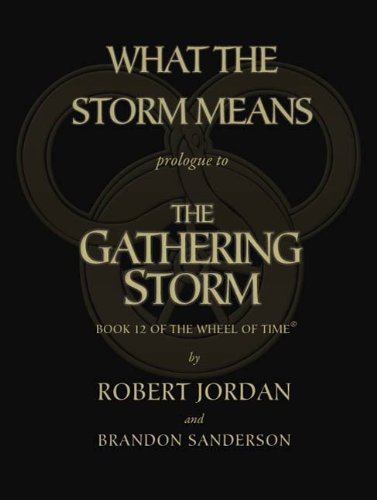
Cover of What the Storm Means: Prologue to The Gathering Storm by Robert Jordan
№ 11.9 · The Wheel of Time

What the Storm Means: Prologue to The Gathering Storm,

by Robert Jordan, Brandon Sanderson

Ask AI
Rating5.0/ 5
Ratings1
Pages43
Reading Hours1h
Published2009
LanguageEnglish

§Synopsis

01

The shadow of the Last Battle looms over a world fractured by ancient bloodlines and modern wars. As the Pattern begins to unravel, Rand al’Thor, the Dragon Reborn, faces the Herculean task of forging a unified front from nations that have spent centuries in conflict. His efforts are hampered not just by the encroaching armies of the Seanchan invaders, but by a growing darkness within himself—a coldness he believes is necessary to survive the coming apocalypse, but which his closest allies fear may be his psychological undoing.

While the Dragon Reborn prepares for a physical war, a battle for the soul of the Aes Sedai takes place within the very walls intended to protect the world. The spiritual heart of the land, the White Tower, remains a house divided, testing the resolve of those who would lead it. This prologue sets the stage for a final reckoning where the greatest enemy is not merely the external threat of the Dark One, but the internal collapse of the leaders meant to stand against him.

Main Characters

  • Rand al’Thor: The Dragon Reborn, struggling to maintain his sanity and authority while hardening his heart against the crushing weight of prophecy.
  • Egwene al’Vere: The Amyrlin Seat, currently navigating the dangerous politics of the White Tower while attempting to restore its fractured unity.
  • Perrin Aybara: A reluctant leader and wolfbrother who must balance his personal search for his kidnapped wife with his duty to his followers.
  • Mat Cauthon: A master tactician and gambler whose unnatural luck is tested as he attempts to lead his band of soldiers out of Seanchan-controlled territory.

The Mechanics of a World at its Breaking Point

The world-building in this entry emphasizes the physical and metaphysical "decay" of the setting. The Dark One’s touch has progressed from a distant threat to a tangible force affecting the weather, the food supply, and the stability of reality itself. The One Power remains the central pivot of the conflict, divided between the female saidar and the male saidin. The latter remains a source of immense power haunted by a historical taint that causes madness, creating a constant tension between Rand’s need for power and his fear of losing his mind before the Last Battle begins.

The Hardening of the Dragon: Character Development

The narrative focuses heavily on the psychological shift of the protagonist from a reluctant hero to a cold, calculating sovereign. Rand’s development is defined by his interpretation of the "Mountain and the Feather"—the heavy weight of duty versus the lightness of death. His relationship with his advisors and friends becomes increasingly strained as he adopts a philosophy of emotional detachment, believing that only a man of "steel" can survive the coming fires. This internal hardening creates a moral dilemma: in his quest to save the world, he may be destroying the very humanity that makes the world worth saving.

Subverting the Chosen One Trope

While the series is a cornerstone of the "Chosen One" narrative, the story continues to subvert this trope by exploring the logistical and political consequences of such a destiny. Rather than being welcomed as a savior, the Dragon Reborn is viewed with a mixture of hope and abject terror. The trope of the "Unified Alliance" is replaced by realistic geopolitical friction, where kingdoms are more concerned with their borders and historical grudges than the literal end of the world. The focus is not on the glory of the prophecy, but on the messy, administrative, and mental toll of trying to fulfill it.

Track this book

Add to your library to track progress and write reviews

§About the Author

Robert Jordan
Robert Jordan

21 books in catalog

The sprawling high fantasy genre was redefined by The Wheel of Time, an expansive multi-volume narrative featuring intricate worldbuilding, complex magic systems, and dozens of intersecting character arcs. Writing under the pen name Robert Jordan, James Oliver Rigney, Jr. created one of epic fantasy's most widely read sagas, beginning with The Eye of the World in 1990.

Across 14 main-sequence novels and a prequel, Jordan's work established a benchmark for modern fantasy series length and detail, selling over 90 million copies worldwide and drawing millions of readers into its vast secondary world.

Career & Background

Born James Oliver Rigney, Jr. on October 17, 1948, in Charleston, South Carolina, he taught himself to read at age four and was reading Mark Twain and Jules Verne by five. He served two tours in Vietnam with the United States Army from 1968 to 1970, earning decorations including the Distinguished Flying Cross with bronze oak leaf cluster. Upon returning to South Carolina, he earned a Bachelor of Science degree in physics from The Citadel in 1974 and worked as a nuclear engineer for the military until 1978, when he turned to full-time writing.

Before achieving worldwide fantasy success, Rigney adopted several pseudonyms across multiple genres. He wrote historical family sagas as Reagan O'Neal, starting with The Fallon Blood in 1980, and published a western novel titled Cheyenne Raiders under the name Jackson O'Reilly in 1982. Writing as Chang Lung, he published dance criticism, and he also ghostwrote an international thriller that remains credited to another author. In 1982, adopting the name Robert Jordan, he wrote the novelization for the Conan movie and went on to author seven original Conan the Barbarian novels, which received high praise from fans of Robert E. Howard's classic character.

Jordan began his signature epic fantasy saga with Tor Books when The Eye of the World appeared in 1990. The series expanded through subsequent releases such as The Great Hunt, The Dragon Reborn, The Shadow Rising, The Fires of Heaven, A Crown of Swords, The Path of Daggers, Winter's Heart, Crossroads of Twilight, and Knife of Dreams. Following Jordan's death in Charleston on September 16, 2007, the series was concluded using his extensive notes, culminating in volumes including The Gathering Storm.

Writing Style & Themes

Jordan's writing style is characterized by meticulous worldbuilding, expansive plotlines, and deeply detailed descriptions of cultural attire, geography, and political structures. His central magic system, the One Power, operates on precise dualities and rules, framing an ongoing conflict between light and dark forces across cyclic ages. Themes of duty, power, gender dynamics, and the burden of destiny recur throughout his work, as individual protagonists are drawn into large-scale geopolitical conflicts.

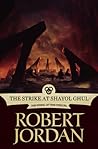
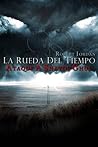
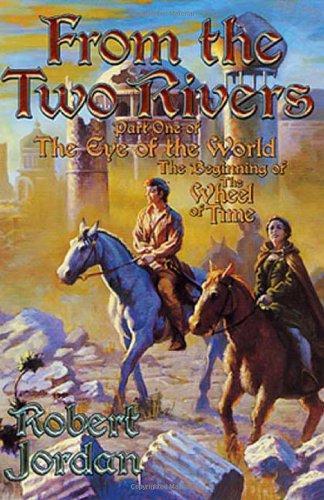
To make his long novels accessible to wider audiences, publisher variations split early installments into smaller parts, producing titles such as From the Two Rivers: The Eye of the World, Part 1, New Threads in the Pattern: The Great Hunt, Part 2, and The Hunt Begins. Short companion pieces and standalone commentaries, such as The Strike at Shayol Ghul (published in Spanish as El ataque a Shayol Ghul) and promotional previews like Glimmers: Prologue to Crossroads of Twilight and What the Storm Means: Prologue to The Gathering Storm, further expanded the lore of his fictional universe.

Major Works

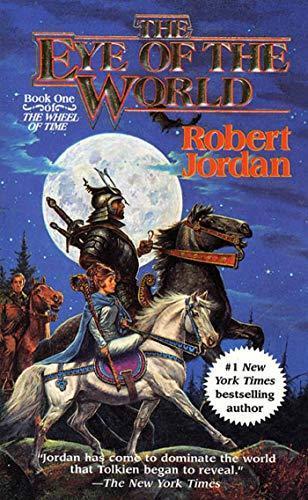
  • The Eye of the World — The 1990 inaugural novel of The Wheel of Time series, introducing the village of Emond's Field, the One Power, and the Shadow's resurgence. Also published in split editions such as From the Two Rivers: The Eye of the World, Part 1.
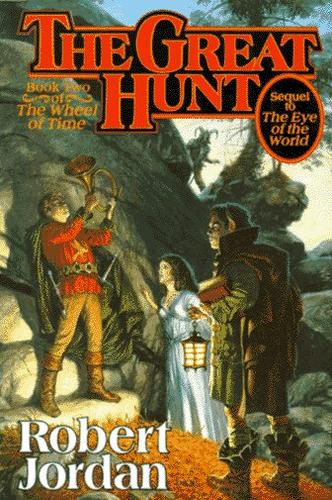
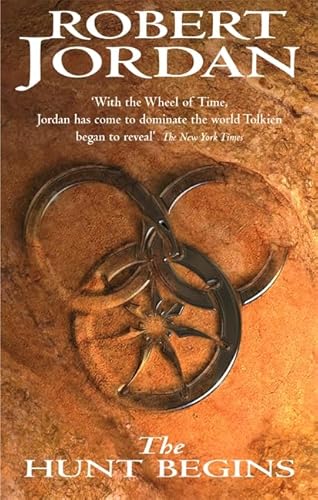
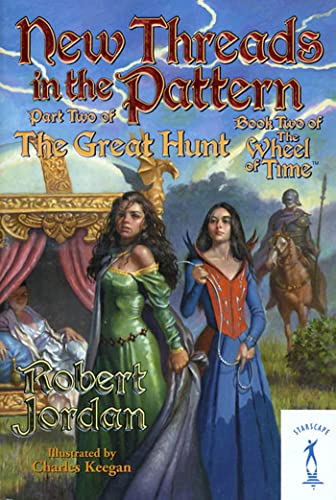
  • The Great Hunt — The second volume in The Wheel of Time, published in 1990, following the search for the Horn of Valere. Early segments were also adapted into separate releases such as The Hunt Begins and New Threads in the Pattern: The Great Hunt, Part 2.
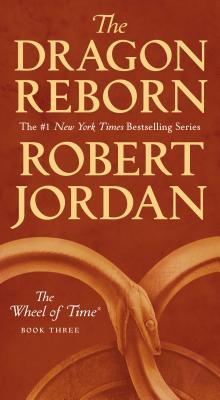
  • The Dragon Reborn — The third installment in the main series, published in 1991, focusing on Rand al'Thor's journey toward the fortress of Tear to fulfill ancient prophecy.
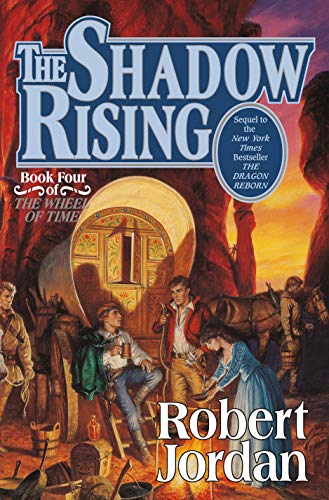
  • The Shadow Rising — The fourth novel in The Wheel of Time, published in 1992, taking the characters into the Aiel Waste and exploring the deep history of the Age of Legends.
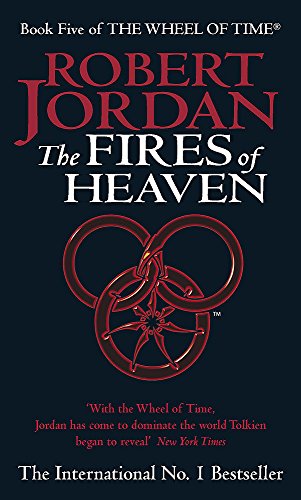
  • The Fires of Heaven — The fifth entry in the saga, published in 1993, dealing with major military clashes and political maneuvers across the Westlands.
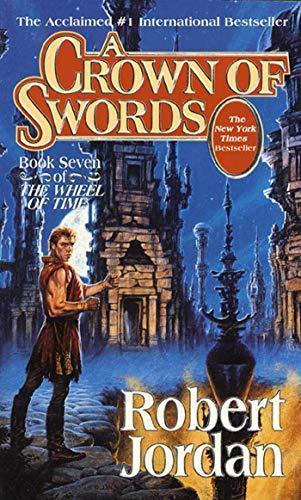
  • A Crown of Swords — The seventh volume of The Wheel of Time, continuing the complex power struggles in Ebou Dar and Illian.
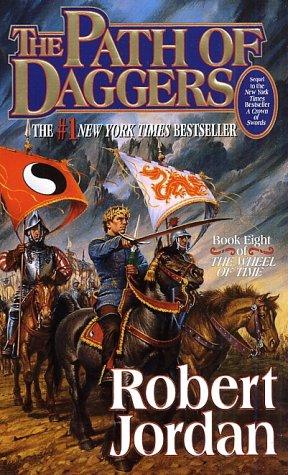
  • The Path of Daggers — The eighth novel in the main sequence, detailing campaign struggles against invading forces and weather anomalies caused by the Dark One.
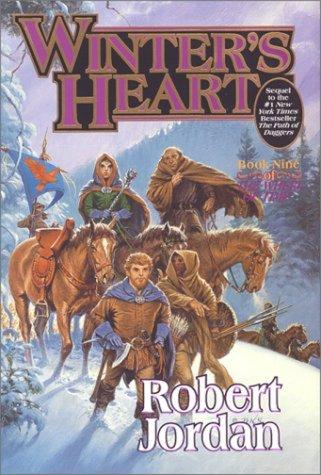
  • Winter's Heart — The ninth novel in the fantasy series, published in 2000, featuring a pivotal attempt to cleanse the male half of the True Source.
  • Crossroads of Twilight — The tenth book in The Wheel of Time, accompanied by the preview release Glimmers: Prologue to Crossroads of Twilight.
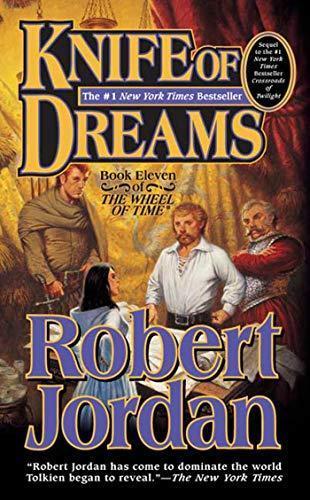
  • Knife of Dreams — The eleventh novel in the series, published in 2005, and the final volume completed entirely by Jordan before his death.
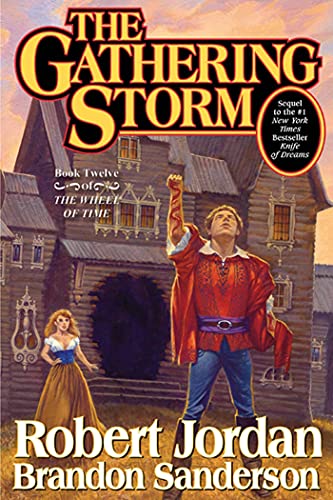
  • The Gathering Storm — The twelfth volume of The Wheel of Time, released with the preview What the Storm Means: Prologue to The Gathering Storm, advancing the story toward the Last Battle.
  • The Strike at Shayol Ghul — A short foundational work detailing the historic sealing of the Dark One's prison, also translated into Spanish as El ataque a Shayol Ghul.

§Featured Series

The Wheel of Time

Glimmers: Prologue to Crossroads of Twilight

ROBERT JORDAN

Glimmers: Prologue to Crossroads of Twilight

Robert Jordan, 2002
Cover of The Strike at Shayol Ghul by Robert Jordan

The Strike at Shayol Ghul

Robert Jordan, 1996
Cover of El ataque a Shayol Ghul by Robert Jordan

El ataque a Shayol Ghul

Robert Jordan, 1996
Cover of The Eye of the World by Robert Jordan

The Eye of the World

Robert Jordan, 1990
Cover of From the Two Rivers: The Eye of the World, Part 1 by Robert Jordan

From the Two Rivers: The Eye of the World, Part 1

Robert Jordan, 1990
Cover of The Great Hunt by Robert Jordan

The Great Hunt

Robert Jordan, 1990
Cover of The Hunt Begins by Robert Jordan

The Hunt Begins

Robert Jordan, 1990
Cover of New Threads in the Pattern: The Great Hunt, Part 2 by Robert Jordan

New Threads in the Pattern: The Great Hunt, Part 2

Robert Jordan, 1990
Cover of The Dragon Reborn by Robert Jordan

The Dragon Reborn

Robert Jordan, 1991
Cover of Le Dragon Réincarné - première partie by Robert Jordan

Le Dragon Réincarné - première partie

Robert Jordan, 1991
Cover of The Shadow Rising by Robert Jordan

The Shadow Rising

Robert Jordan, 1990
Cover of The Fires of Heaven by Robert Jordan

The Fires of Heaven

Robert Jordan, 1993

Heer van Chaos

ROBERT JORDAN

Heer van Chaos

Robert Jordan, 1994
Cover of A Crown of Swords by Robert Jordan

A Crown of Swords

Robert Jordan, 1996
Cover of The Path of Daggers by Robert Jordan

The Path of Daggers

Robert Jordan, 1998
Cover of Winter's Heart by Robert Jordan

Winter's Heart

Robert Jordan, 2000
Cover of Crossroads of Twilight by Robert Jordan

Crossroads of Twilight

Robert Jordan, 2003
Cover of Knife of Dreams by Robert Jordan

Knife of Dreams

Robert Jordan, 2003
Cover of What the Storm Means: Prologue to The Gathering Storm by Robert Jordan, Brandon Sanderson

What the Storm Means: Prologue to The Gathering Storm

Robert Jordan, 2009
Cover of The Gathering Storm by Brandon Sanderson, Robert Jordan

The Gathering Storm

Brandon Sanderson, 2007

§Other Editions

Cover of What the Storm Means: Prologue to The Gathering Storm

What the Storm Means: Prologue to The Gathering Storm

eng
Tor Books20099781429952552
Cover of What the Storm Means

What the Storm Means

Metadata

ISBN-139781429952552
ISBN-101429952555
ASINB002PA0LW0

Editions and availability

Find What the Storm Means: Prologue to The Gathering Storm Robert Jordan in PDF, EPUB, ebook, audiobook, print, or library editions.

View on Amazon
Bookshop.orgGoogle Play BooksBarnes & NobleOpen Library