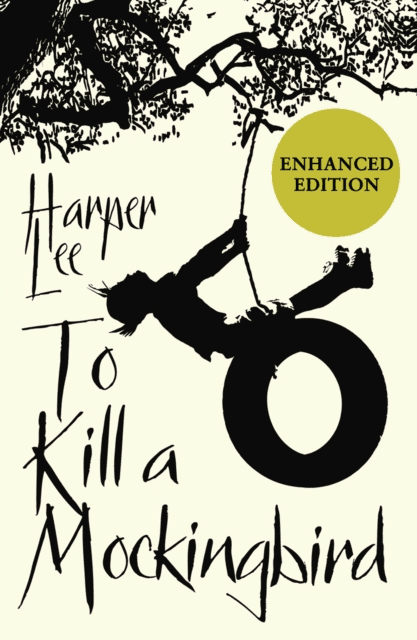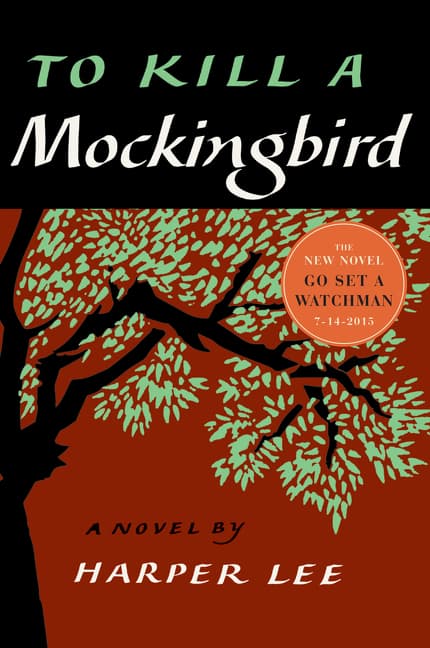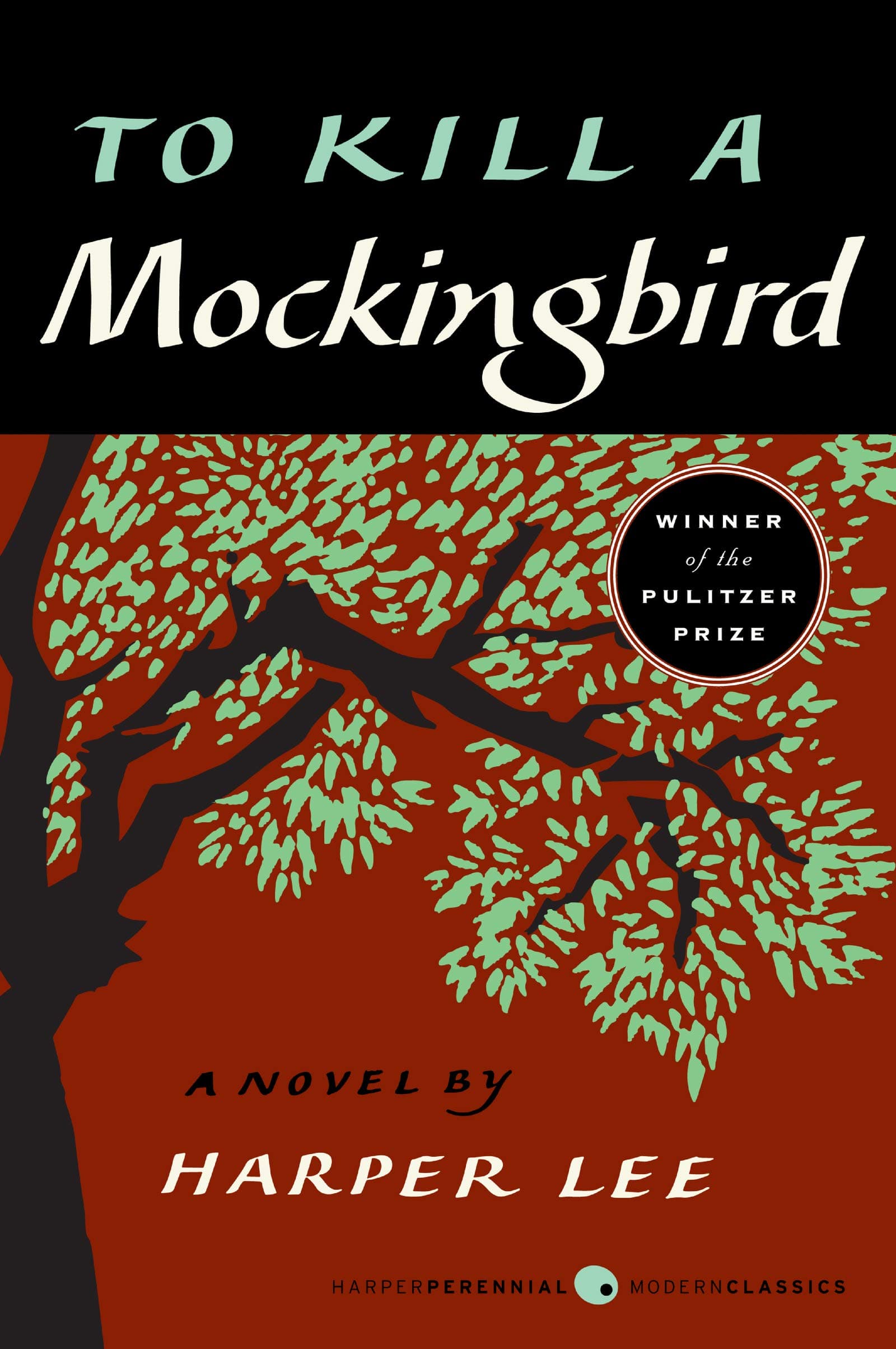
The unforgettable novel of a childhood in a sleepy Southern town and the crisis of conscience that rocked it. "To Kill A Mockingbird" became both an instant bestseller and a critical success when it was first published in 1960. It went on to win the Pulitzer Prize in 1961 and was later made into an Academy Award-winning film, also a classic.
Compassionate, dramatic, and deeply moving, "To Kill A Mockingbird" takes readers to the roots of human behavior - to innocence and experience, kindness and cruelty, love and hatred, humor and pathos. Now with over 18 million copies in print and translated into forty languages, this regional story by a young Alabama woman claims universal appeal. Harper Lee always considered her book to be a simple love story. Today it is regarded as a masterpiece of American literature.
This is a book that changes with the reader's age. Adult rereads turn up social pressures and motives that school readings miss, and that's where the argument starts.
An essay in MIR Online says the novel centers a white lawyer and a white child, gives Black characters little voice and hands white readers comfort. A defense in Reason answers that the text itself admits the legal system favors a white man's word, and that one person's virtue can't take apart an entrenched hierarchy. Both have real material to work with. Some readers find the episodic opening slow, so give it a few chapters. The book won the 1961 Pulitzer Prize for Fiction, but its lasting question is less tidy: what can one decent person actually change?
Reviewers in 1960 praised its warmth, humor and Scout's appeal, though some found the child narrator implausible and the story melodramatic or sermon-like. It won the 1961 Pulitzer Prize for Fiction. Later criticism has focused on its white-centered viewpoint, while defenders say the book itself sees the limits of individual decency.
Add to your library to track progress and write reviews
Find To Kill A Mockingbird Harper Lee in PDF, EPUB, ebook, audiobook, print, or library editions.
1 books in catalog
Explorations of racial injustice and moral integrity in the American South found enduring expression in To Kill A Mockingbird. Written by Harper Lee, the 1960 novel examines prejudice, empathy, and social conflict through the eyes of a young girl named Jean Louise "Scout" Finch in the fictional town of Maycomb, Alabama.
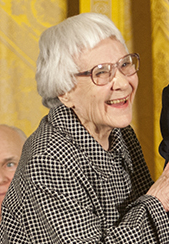
Born Nelle Harper Lee on April 28, 1926, in Monroeville, Alabama, Lee grew up as the youngest child of Amasa Coleman Lee, a lawyer and former newspaper editor, and Frances Finch Lee. She studied law at the University of Alabama between 1945 and 1949 and attended the University of Oxford as an exchange student. In 1949, she relocated to New York City to pursue a career in writing. During this period, she also assisted her childhood friend Truman Capote—the inspiration for the character Dill—with research for his 1966 nonfiction book In Cold Blood.
Lee's debut novel, To Kill A Mockingbird, was published in 1960 to widespread acclaim and earned the Pulitzer Prize for Fiction in 1961. Decades after her initial success, an earlier manuscript set at a later date titled Go Set a Watchman was discovered in a safety-deposit box in Monroeville and published in July 2015. Over her career, Lee received the Presidential Medal of Freedom alongside numerous other literary honors. She died at the age of 89 on February 19, 2016.
Lee's writing features grounded narrative prose that pairs a child's observational perspective with mature social commentary. Drawing heavily from her upbringing in small-town Alabama, her fiction deals with systemic prejudice, family loyalty, legal ethics, and the moral awakening of young individuals coming to terms with human nature and social hypocrisy.
To Kill a Mockingbird