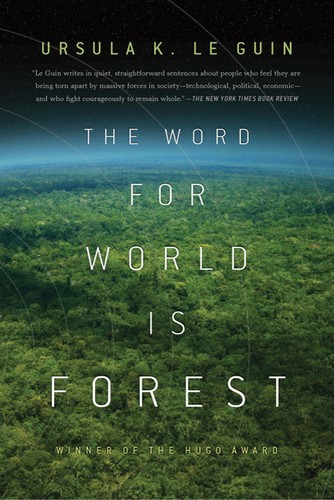
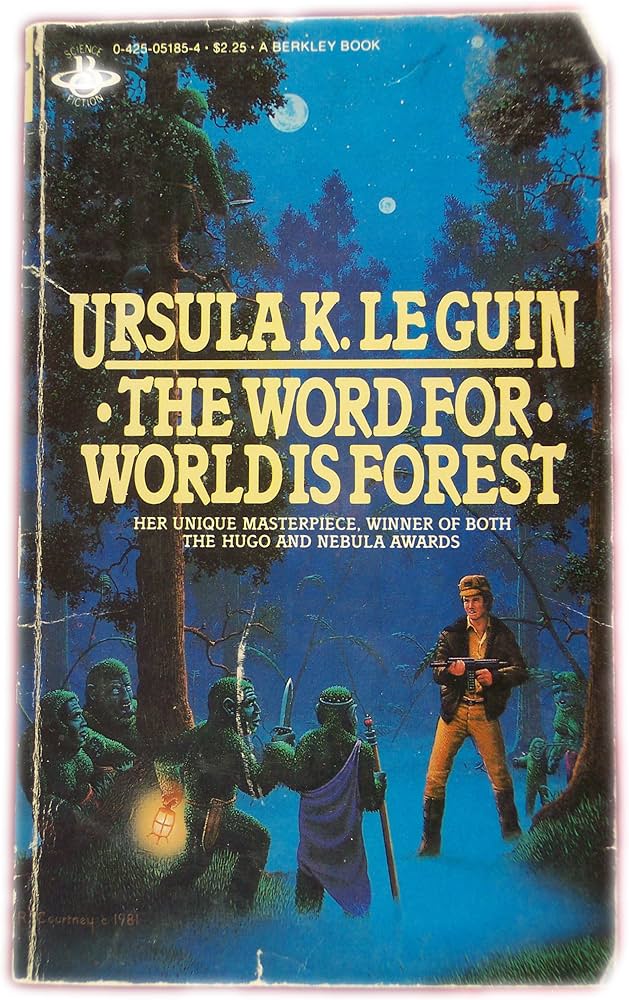
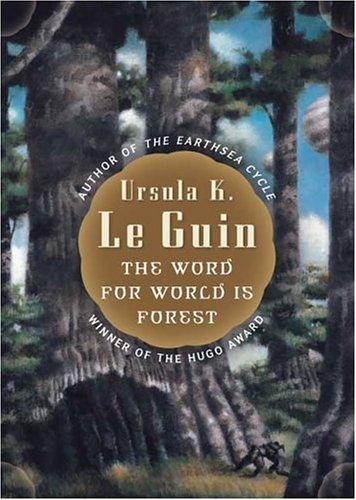
Centuries in the future, Terrans have established a logging colony & military base named “New Tahiti” on a tree-covered planet whose small, green-furred, big-eyed inhabitants have a culture centered on lucid dreaming. Terran greed spirals around native innocence & wisdom, overturning the ancient society.
Humans have learned interstellar travel from the Hainish (the origin-planet of all humanoid races, including Athsheans). Various planets have been expanding independently, but during the novel it’s learned that the League of All Worlds has been formed. News arrives via an ansible, a new discovery. Previously they had been cut off, 27 light years from home.
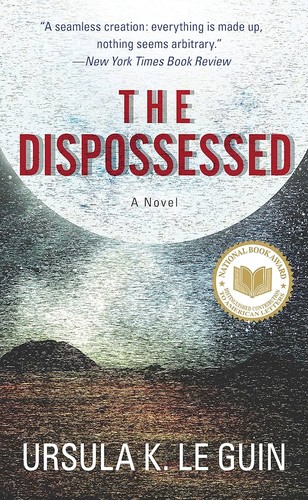
The story occurs after The Dispossessed, where both the ansible & the League of Worlds are unrealised. Also well before Planet of Exile, where human settlers have learned to coexist. The 24th century has been suggested.
Terran colonists take over the planet locals call Athshe, meaning “forest,” rather than “dirt,” like their home planet Terra. They follow the 19th century model of colonization: felling trees, planting farms, digging mines & enslaving indigenous peoples. The natives are unequipped to comprehend this. They’re a subsistence race who rely on the forests & have no cultural precedent for tyranny, slavery or war. The invaders take their land without resistance until one fatal act sets rebellion in motion & changes the people of both worlds forever.
Centuries in the future, Terrans have established a logging colony & military base named “New Tahiti” on a tree-covered planet whose small, green-furred, big-eyed inhabitants have a culture centered on lucid dreaming. Terran greed spirals around native innocence & wisdom, overturning the ancient society.
Humans have learned interstellar travel from the Hainish (the origin-planet of all humanoid races, including Athsheans). Various planets have been expanding independently, but during the novel it’s learned that the League of All Worlds has been formed. News arrives via an ansible, a new discovery. Previously they had been cut off, 27 light years from home.
The story occurs after The Dispossessed, where both the ansible & the League of Worlds are unrealised. Also well before Planet of Exile, where human settlers have learned to coexist. The 24th century has been suggested.
Terran colonists take over the planet locals call Athshe, meaning “forest,” rather than “dirt,” like their home planet Terra. They follow the 19th century model of colonization: felling trees, planting farms, digging mines & enslaving indigenous peoples. The natives are unequipped to comprehend this. They’re a subsistence race who rely on the forests & have no cultural precedent for tyranny, slavery or war. The invaders take their land without resistance until one fatal act sets rebellion in motion & changes the people of both worlds forever.
Add to your library to track progress and write reviews
Find The Word for World Is Forest Ursula K. Le Guin in PDF, EPUB, ebook, audiobook, print, or library editions.
Hainish Cycle
Hainish Cycle
17 books in catalog
Speculative fiction gained profound depth through thoughtful worldbuilding that examined social structures, gender dynamics, and political philosophy across fantasy and science fiction settings such as the archipelago of Earthsea and the planetary systems of the Hainish Cycle. Ursula K. Le Guin was an American author who wrote more than 20 novels and 100 short stories, alongside poetry, children's books, essays, and translations during a literary career spanning nearly six decades.
Her extensive body of work includes 23 novels, 12 volumes of short stories, 11 volumes of poetry, 13 children's books, five essay collections, and four works of translation. Celebrated for her genre-bending speculative fiction, Le Guin earned six Nebula Awards, seven Hugo Awards, the SFWA Grand Master title, and the 2014 National Book Foundation Medal for Distinguished Contribution to American Letters.
Born Ursula Kroeber in 1929 in Berkeley, California, she was the daughter of anthropologist Alfred Louis Kroeber and writer Theodora Kroeber. Raised in an intellectual environment steeped in cultural anthropology, she developed a keen sensitivity to social structures and language that directly informed her detailed depictions of fictional societies. Le Guin published her first poem in 1959 and her first short story in 1961 before achieving widespread critical success.
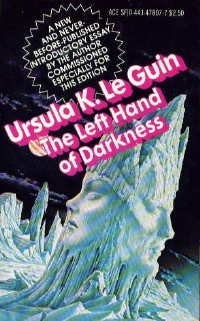
Her early works, A Wizard of Earthsea (1968), The Left Hand of Darkness (1969), and The Dispossessed (1974), established her as a major figure in science fiction and fantasy. Over her long career, she expanded both the Earthsea series and her Hainish universe novels, receiving accolades such as the PEN/Malamud Award and being published in her lifetime by the Library of America in 2016 before her death in 2018.
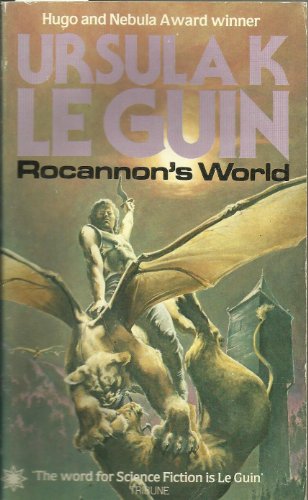
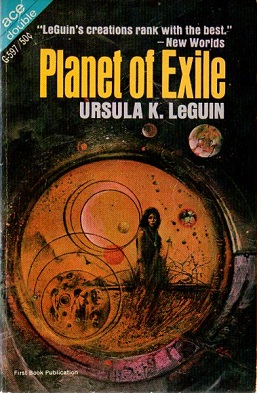
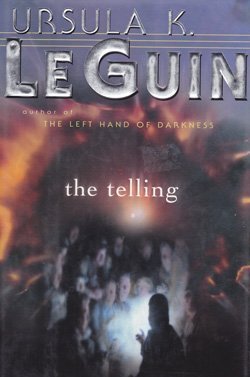
At a time when American science fiction was largely centered on physical technology and hard-science tropes, Le Guin shifted focus toward anthropology, sociology, linguistics, and psychology. Her Hainish Cycle novels—which include Rocannon's World, Planet of Exile, City of Illusions, The Left Hand of Darkness, The Word for World Is Forest, The Dispossessed, and The Telling—explore alternative political systems such as anarchism, non-violent communication, anti-colonialism, and non-binary concepts of gender.
In her fantasy fiction, particularly the Earthsea cycle featuring A Wizard of Earthsea, The Tombs of Atuan, and Tehanu, Le Guin rejected conventional high-fantasy battle narratives in favor of themes concerning balance, ethical responsibility, self-discovery, and domestic authority. She was also an essayist on feminist issues and literary craft, publishing influential collections such as The Language of the Night and Dancing at the Edge of the World.
17 books in catalog
Speculative fiction gained profound depth through thoughtful worldbuilding that examined social structures, gender dynamics, and political philosophy across fantasy and science fiction settings such as the archipelago of Earthsea and the planetary systems of the Hainish Cycle. Ursula K. Le Guin was an American author who wrote more than 20 novels and 100 short stories, alongside poetry, children's books, essays, and translations during a literary career spanning nearly six decades.
Her extensive body of work includes 23 novels, 12 volumes of short stories, 11 volumes of poetry, 13 children's books, five essay collections, and four works of translation. Celebrated for her genre-bending speculative fiction, Le Guin earned six Nebula Awards, seven Hugo Awards, the SFWA Grand Master title, and the 2014 National Book Foundation Medal for Distinguished Contribution to American Letters.
Born Ursula Kroeber in 1929 in Berkeley, California, she was the daughter of anthropologist Alfred Louis Kroeber and writer Theodora Kroeber. Raised in an intellectual environment steeped in cultural anthropology, she developed a keen sensitivity to social structures and language that directly informed her detailed depictions of fictional societies. Le Guin published her first poem in 1959 and her first short story in 1961 before achieving widespread critical success.
Her early works, A Wizard of Earthsea (1968), The Left Hand of Darkness (1969), and The Dispossessed (1974), established her as a major figure in science fiction and fantasy. Over her long career, she expanded both the Earthsea series and her Hainish universe novels, receiving accolades such as the PEN/Malamud Award and being published in her lifetime by the Library of America in 2016 before her death in 2018.
At a time when American science fiction was largely centered on physical technology and hard-science tropes, Le Guin shifted focus toward anthropology, sociology, linguistics, and psychology. Her Hainish Cycle novels—which include Rocannon's World, Planet of Exile, City of Illusions, The Left Hand of Darkness, The Word for World Is Forest, The Dispossessed, and The Telling—explore alternative political systems such as anarchism, non-violent communication, anti-colonialism, and non-binary concepts of gender.
In her fantasy fiction, particularly the Earthsea cycle featuring A Wizard of Earthsea, The Tombs of Atuan, and Tehanu, Le Guin rejected conventional high-fantasy battle narratives in favor of themes concerning balance, ethical responsibility, self-discovery, and domestic authority. She was also an essayist on feminist issues and literary craft, publishing influential collections such as The Language of the Night and Dancing at the Edge of the World.