§Synopsis
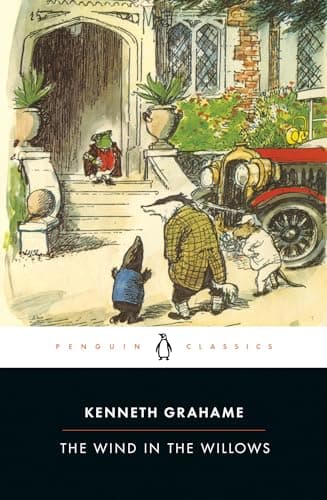
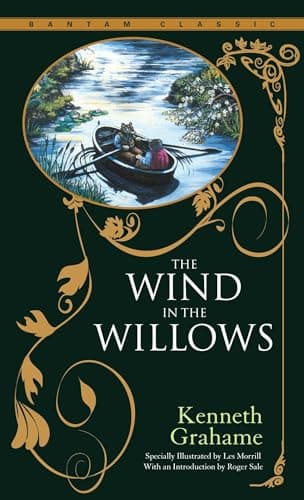
01The adventures of four amiable animals, Rat, Toad, Mole and Badger, along a river in the English countryside.
The adventures of four amiable animals, Rat, Toad, Mole and Badger, along a river in the English countryside.
Add to your library to track progress and write reviews
Find The Wind in the Willows Kenneth Grahame in PDF, EPUB, ebook, audiobook, print, or library editions.
Usborne Picture Storybook Classics
1 books in catalog
English children's literature was profoundly shaped by pastoral fantasy stories featuring anthropomorphic animal characters that combine human traits with natural habits. The classic novel The Wind in the Willows brought to life memorable figures such as Mole, Rat, Badger, and Mr. Toad along the English countryside. Kenneth Grahame created this enduring work, which appeals equally to child readers and adults through its atmospheric storytelling and depiction of rural life.
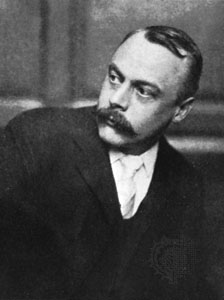
Born in Edinburgh, Scotland, on March 8, 1859, Kenneth Grahame experienced early childhood tragedy when his mother died of scarlet fever in 1864. Following his mother's death and his father's inability to care for the children, Grahame moved to England to live with his grandmother. He attended St. Edward's School in Oxford, where he performed well academically, but financial limitations prevented him from attending university. Consequently, he entered the workforce and joined the Bank of England, where he built a successful career while writing in his spare time.
Grahame established his literary reputation in the 1890s through contributions to periodicals and the publication of story collections focused on childhood perspectives, including Pagan Papers in 1893, The Golden Age in 1895, and Dream Days in 1898. His most famous novel, The Wind in the Willows, was published in 1908. Grahame spent his later years in England until his death in Pangbourne, Berkshire, on July 6, 1932.
Grahame's narrative style is marked by gentle humor, atmospheric prose, and a deep appreciation for rural English landscapes and natural life. In The Wind in the Willows, he combined authentic animal habits with human characteristics, creating characters whose lives balance peaceful domestic routines with impulsive adventures along riverbanks and open countryside.
Across his earlier works, such as The Golden Age and Dream Days, Grahame explored the inner worlds of children, contrasting their imaginative lives with the mundane realities of the adult world. His writing blends gentle satire, nostalgic reflections on youth, and pastoral ideals, offering stories that resonate with readers across generations.