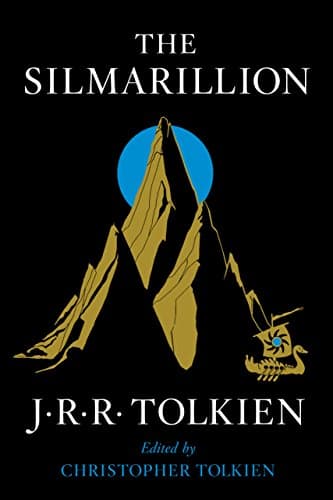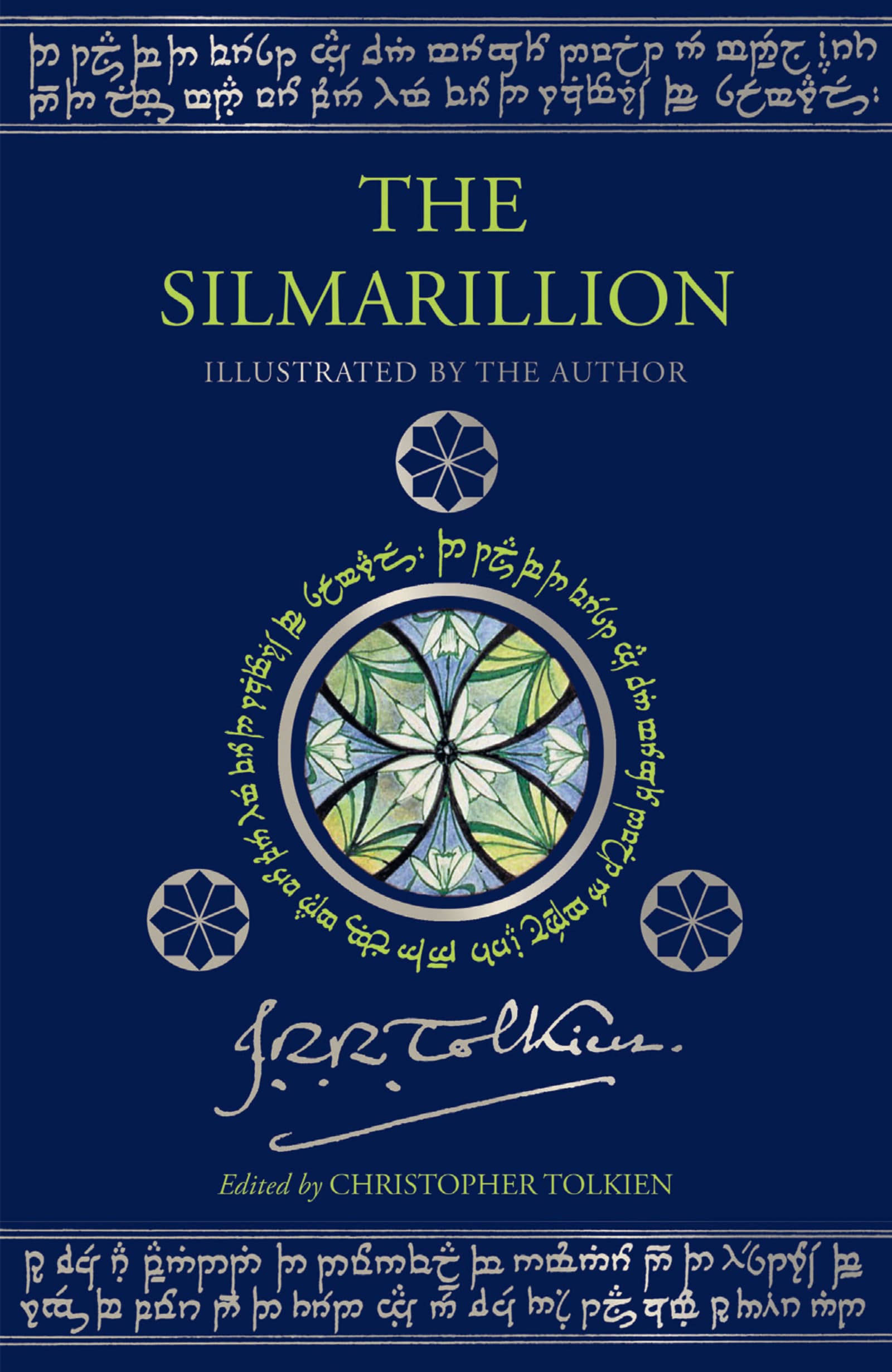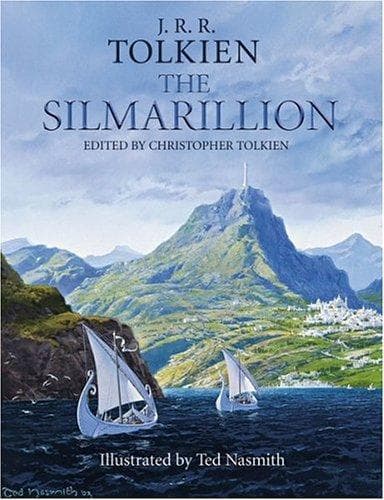
Long before the Third Age and the journey of the One Ring, the cosmos began as a symphony. Eru Ilúvatar, the One, orchestrated a theme of existence that the angelic Ainur wove into a tapestry of light and sound. This primordial harmony gave birth to Arda, a world intended to be a masterpiece of shared purpose. Yet, even in the first notes of creation, a discord was introduced—not by an outside force, but by the ambition of the mightiest among the heavenly host, setting the stage for an era defined by the struggle between divine intent and personal ego.
At the center of this burgeoning history are the Silmarils: three peerless gems crafted by the Elven prince Fëanor that capture the living light of the holy trees of Valinor. These jewels are more than mere artifacts; they are the nexus of a cosmic tragedy. When the Dark Lord Melkor sows seeds of deception and theft, the resulting rift forces the Elven people to choose between the safety of the undying lands and a perilous exile in Middle-earth. It is a chronicle of how the highest virtues—artistry, loyalty, and bravery—can be twisted into the chains of a generational oath.
The setting of this work is not merely a backdrop but a living entity governed by the "Music of the Ainur." Unlike typical fantasy settings, the rules of Arda are rooted in the concept of sub-creation; the ability of sentient beings to create beauty that reflects the divine. The world is divided between the physical realm of Middle-earth and the spiritual, light-drenched continent of Aman, home to the Valar (the powers of the world). The atmosphere is one of "arrested perfection," where the primary conflict arises from the preservation of light against a creeping, sentient darkness that seeks to mar and dominate all matter.
The initial character arcs focus on the transition from innocence to experience. The Elves begin as "the Awakened," pupils of the gods who live in a state of perpetual grace. However, their development is defined by the emergence of the individual will. The relationship between Fëanor and his kin becomes a study in factionalism; as the Silmarils become more precious, the bonds of brotherhood and the reverence for the Valar begin to fray. This shift from communal harmony to a "will-to-power" establishes the psychological stakes that drive the exodus from the West.
The narrative utilizes and subverts several foundational genre tropes:
The core tension lies in the distinction between "making" and "possessing." The moral dilemma facing the characters is whether the beauty they create belongs to the world or to themselves. This philosophical friction manifests in the Oath of Fëanor—a terrifyingly binding commitment that pits personal honor against divine law. As the Noldor move toward Middle-earth, the story explores the cost of sovereignty and the tragic reality that the fight against a great darkness often requires the sacrifice of one’s own innocence.
Add to your library to track progress and write reviews
Find The Silmarillion J.R.R. Tolkien in PDF, EPUB, ebook, audiobook, print, or library editions.

7 books in catalog
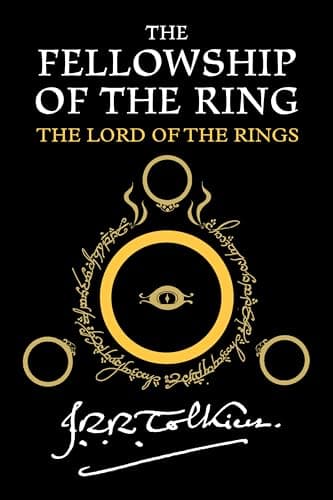
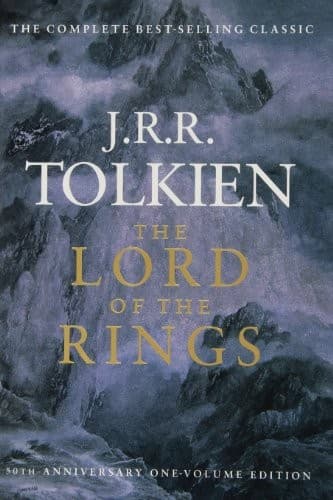
Deep in the mud of the Somme in 1916, a young officer of the Lancashire Fusiliers began scribbling a mythology that would eventually redefine the boundaries of fantasy literature. While his contemporaries focused on the stark realism of the First World War, this Oxford-educated philologist sought to fill a perceived void in English culture by constructing a vast, interconnected legendarium rooted in the ancient structures of language itself. What began as an academic's private obsession with Old Norse and Anglo-Saxon dialects evolved into an influential fantasy phenomenon, with The Lord of the Rings selling over 150 million copies and being translated into more than 40 languages.
Beyond its commercial scale, the epic mythos created by J.R.R. Tolkien earned honors as the 'Greatest Book of the 20th Century' in polls conducted by Amazon and Waterstones, inspired a multi-billion dollar film franchise, and established the foundational blueprint for high fantasy world-building across modern publishing.
Born in Bloemfontein, South Africa, on January 3, 1892, to English parents, John Ronald Reuel Tolkien moved to England at age three and was brought up in and around Birmingham before studying at Exeter College, Oxford. Before becoming a household name, J.R.R. Tolkien was a formidable scholar of early Germanic languages and English literature. He served as an officer during the First World War in 1916, experiencing heavy combat at the Battle of the Somme. Following his military service, he devoted his professional life to academia, serving as the Rawlinson and Bosworth Professor of Anglo-Saxon at the University of Oxford from 1925 to 1945, and subsequently as the Merton Professor of English Language and Literature from 1945 until his retirement in 1959. His academic commentary on Beowulf remains a foundational work in medieval literary criticism.
His transition to fiction was accidental, famously beginning with a spontaneous sentence scrawled on a blank exam paper: 'In a hole in the ground there lived a hobbit.' This spark led to the publication of The Hobbit (also published as The Hobbit, or There and Back Again) in 1937. The success of the children's book prompted his publishers to request a sequel, which took twelve years to complete and expanded into the far more complex epic The Lord of the Rings. Throughout his time in Oxford, he was a key figure in 'The Inklings,' an informal literary discussion group that included his close friend C.S. Lewis. Tolkien lived until 1973, leaving behind an extensive archive of mythic writings.
Tolkien's prose is characterized by its commitment to 'sub-creation'—the secondary invention of a fictional world that possesses the inner consistency of reality. Unlike many fantasy writers who employ magic merely as a plot device, Tolkien's world-building was fundamentally a philological exercise. He famously maintained that his stories were written primarily to provide a home for his invented languages, including Quenya and Sindarin, rather than constructing languages to serve a pre-existing narrative.
Thematically, his work explores the tension between the organic natural world and the destructive forces of industrialization, reflecting his personal opposition to the rapid mechanization of the English countryside. Recurring motifs include the 'ennoblement of the humble,' where the smallest and least assertive individuals alter the trajectory of history, as well as the corruptive influence of absolute power. His writing is also deeply elegiac, frequently emphasizing the 'long defeat'—the tragic perspective that even in great victories, ancient beauty and wisdom are inevitably lost over time.
Middle-earth Universe