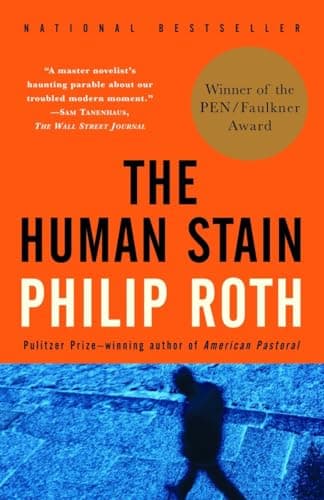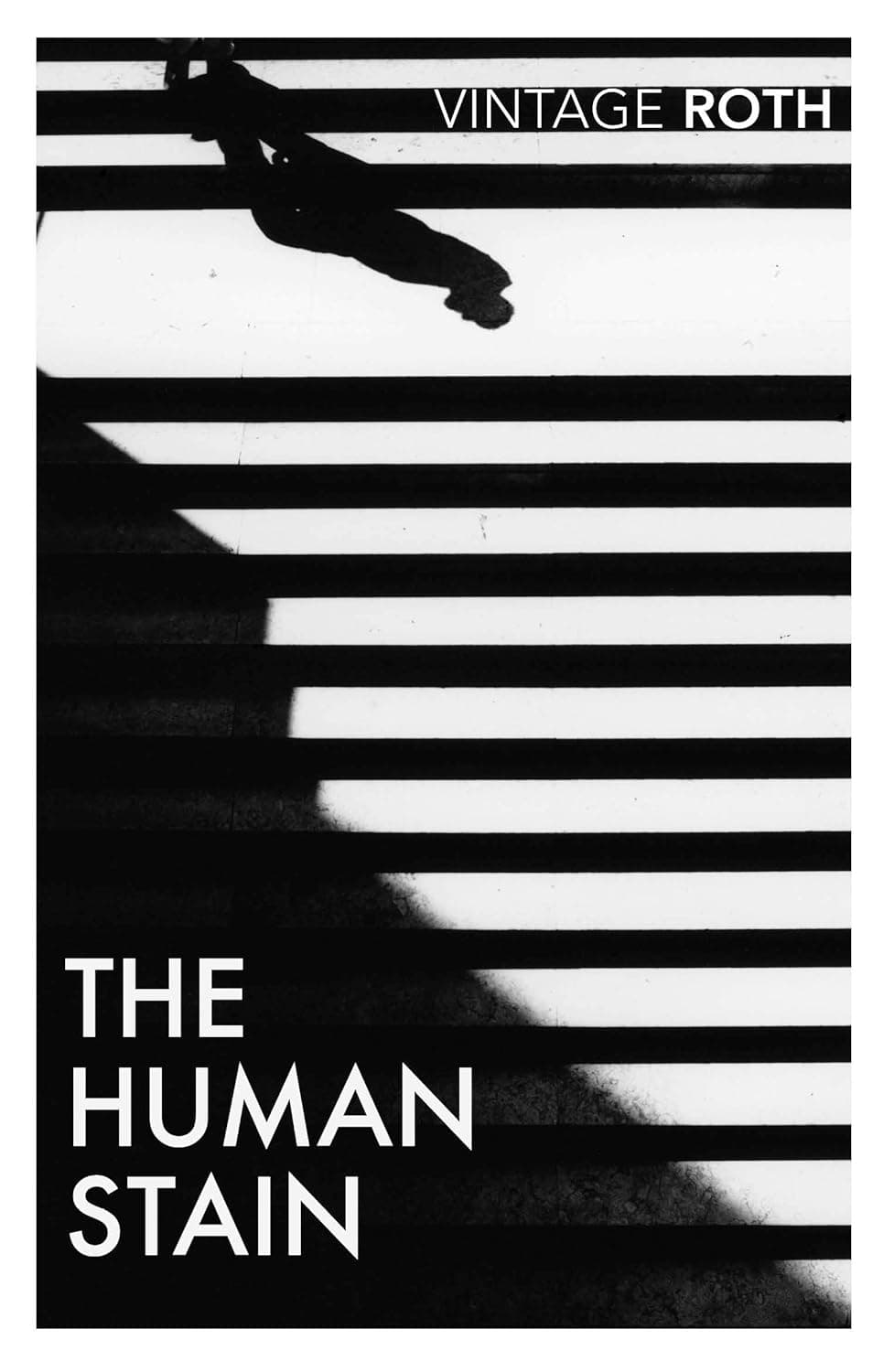
NATIONAL BESTSELLER • WINNER OF THE PEN/FAULKNER AWARD • The Pulitzer Prize–winning author of American Pastoral delivers “a master novelist's haunting parable about our troubled modern moment" (The Wall Street Journal). It is 1998, the year in which America is whipped into a frenzy of prurience by the impeachment of a president, and in a small New England town, an aging classics professor, Coleman Silk, is forced to retire when his colleagues decree that he is a racist. The charge is a lie, but the real truth about Silk would have astonished even his most virulent accuser. Coleman Silk has a secret, one which has been kept for fifty years from his wife, his four children, his colleagues, and his friends, including the writer Nathan Zuckerman. It is Zuckerman who stumbles upon Silk's secret and sets out to reconstruct the unknown biography of this eminent, upright man, esteemed as an educator for nearly all his life, and to understand how this ingeniously contrived life came unraveled. And to understand also how Silk's astonishing private history is, in the words of The Wall Street Journal, "magnificently" interwoven with "the larger public history of modern America."
NATIONAL BESTSELLER • WINNER OF THE PEN/FAULKNER AWARD • The Pulitzer Prize–winning author of American Pastoral delivers “a master novelist's haunting parable about our troubled modern moment" (The Wall Street Journal). It is 1998, the year in which America is whipped into a frenzy of prurience by the impeachment of a president, and in a small New England town, an aging classics professor, Coleman Silk, is forced to retire when his colleagues decree that he is a racist. The charge is a lie, but the real truth about Silk would have astonished even his most virulent accuser. Coleman Silk has a secret, one which has been kept for fifty years from his wife, his four children, his colleagues, and his friends, including the writer Nathan Zuckerman. It is Zuckerman who stumbles upon Silk's secret and sets out to reconstruct the unknown biography of this eminent, upright man, esteemed as an educator for nearly all his life, and to understand how this ingeniously contrived life came unraveled. And to understand also how Silk's astonishing private history is, in the words of The Wall Street Journal, "magnificently" interwoven with "the larger public history of modern America."
Add to your library to track progress and write reviews
Add to your library to track progress and write reviews
Find The Human Stain Philip Roth in PDF, EPUB, ebook, audiobook, print, or library editions.
Find The Human Stain Philip Roth in PDF, EPUB, ebook, audiobook, print, or library editions.
The American Trilogy
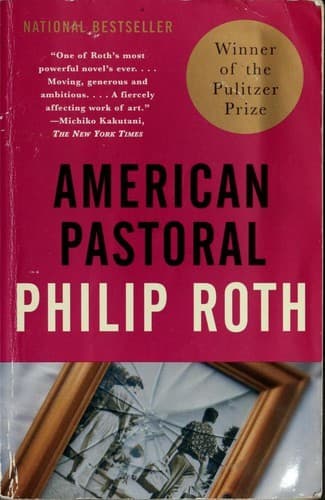
The American Trilogy
9 books in catalog
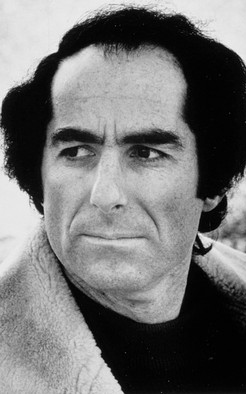
Exploring American identity, Jewish middle-class life, personal ethics, and mortality, twentieth-century American fiction frequently drew on local setting and autobiography to interrogate culture. Philip Roth became one of the most widely read postwar American novelists through his incisive portrayals of personal turmoil, starting with his acclaimed debut collection Goodbye, Columbus and followed by his bestselling 1969 novel Portnoy's Complaint.
Born in Newark, New Jersey, in 1933 to first-generation Jewish immigrant parents, Roth was raised in a middle-class enclave and graduated from Weequahic High School in 1950. He earned a bachelor's degree in English from Bucknell University, where he was elected to Phi Beta Kappa, followed by a master's degree in English literature from the University of Chicago. While in Chicago, he met his first wife, Margaret Martinson, and began publishing short fiction and essays in periodicals such as the Chicago Review and The New Yorker. His debut collection, Goodbye, Columbus (1959), won the U.S. National Book Award for Fiction and brought him immediate national attention.
Roth's fiction is known for its intensely autobiographical quality, sharp comic dialogue, and formal blurring between reality and fiction. Frequently setting his stories in his hometown of Newark, he examined Jewish-American identity, family duties, sexuality, aging, and the friction between traditional and contemporary morals. He frequently employed literary alter egos, such as Nathan Zuckerman, to explore the complexities of artistic creation and personal memory through a sensual, ingenious prose style.
9 books in catalog
Exploring American identity, Jewish middle-class life, personal ethics, and mortality, twentieth-century American fiction frequently drew on local setting and autobiography to interrogate culture. Philip Roth became one of the most widely read postwar American novelists through his incisive portrayals of personal turmoil, starting with his acclaimed debut collection Goodbye, Columbus and followed by his bestselling 1969 novel Portnoy's Complaint.
Born in Newark, New Jersey, in 1933 to first-generation Jewish immigrant parents, Roth was raised in a middle-class enclave and graduated from Weequahic High School in 1950. He earned a bachelor's degree in English from Bucknell University, where he was elected to Phi Beta Kappa, followed by a master's degree in English literature from the University of Chicago. While in Chicago, he met his first wife, Margaret Martinson, and began publishing short fiction and essays in periodicals such as the Chicago Review and The New Yorker. His debut collection, Goodbye, Columbus (1959), won the U.S. National Book Award for Fiction and brought him immediate national attention.
Roth's fiction is known for its intensely autobiographical quality, sharp comic dialogue, and formal blurring between reality and fiction. Frequently setting his stories in his hometown of Newark, he examined Jewish-American identity, family duties, sexuality, aging, and the friction between traditional and contemporary morals. He frequently employed literary alter egos, such as Nathan Zuckerman, to explore the complexities of artistic creation and personal memory through a sensual, ingenious prose style.