
“I wonder how the book got to Guernsey? Perhaps there is some sort of secret homing instinct in books that brings them to their perfect readers.” January 1946: London is emerging from the shadow of the Second World War, and writer Juliet Ashton is looking for her next book subject. Who could imagine that she would find it in a letter from a man she’s never met, a native of the island of Guernsey, who has come across her name written inside a book by Charles Lamb. . . .
As Juliet and her new correspondent exchange letters, Juliet is drawn into the world of this man and his friends—and what a wonderfully eccentric world it is. The Guernsey Literary and Potato Peel Pie Society—born as a spur-of-the-moment alibi when its members were discovered breaking curfew by the Germans occupying their island—boasts a charming, funny, deeply human cast of characters, from pig farmers to phrenologists, literature lovers all.
Juliet begins a remarkable correspondence with the society’s members, learning about their island, their taste in books, and the impact the recent German occupation has had on their lives. Captivated by their stories, she sets sail for Guernsey, and what she finds will change her forever.
Written with warmth and humor as a series of letters, this novel is a celebration of the written word in all its guises and of finding connection in the most surprising ways.
“I wonder how the book got to Guernsey? Perhaps there is some sort of secret homing instinct in books that brings them to their perfect readers.” January 1946: London is emerging from the shadow of the Second World War, and writer Juliet Ashton is looking for her next book subject. Who could imagine that she would find it in a letter from a man she’s never met, a native of the island of Guernsey, who has come across her name written inside a book by Charles Lamb. . . .
As Juliet and her new correspondent exchange letters, Juliet is drawn into the world of this man and his friends—and what a wonderfully eccentric world it is. The Guernsey Literary and Potato Peel Pie Society—born as a spur-of-the-moment alibi when its members were discovered breaking curfew by the Germans occupying their island—boasts a charming, funny, deeply human cast of characters, from pig farmers to phrenologists, literature lovers all.
Juliet begins a remarkable correspondence with the society’s members, learning about their island, their taste in books, and the impact the recent German occupation has had on their lives. Captivated by their stories, she sets sail for Guernsey, and what she finds will change her forever.
Written with warmth and humor as a series of letters, this novel is a celebration of the written word in all its guises and of finding connection in the most surprising ways.
Add to your library to track progress and write reviews
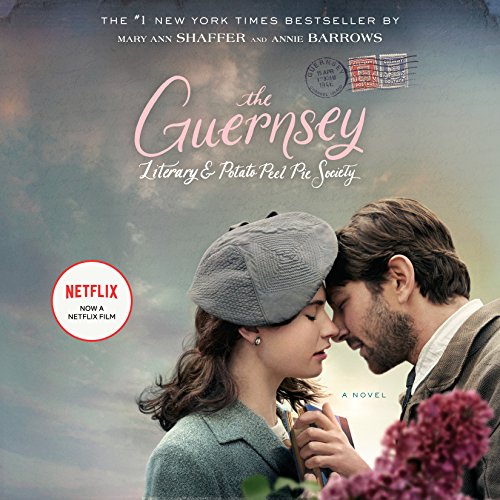
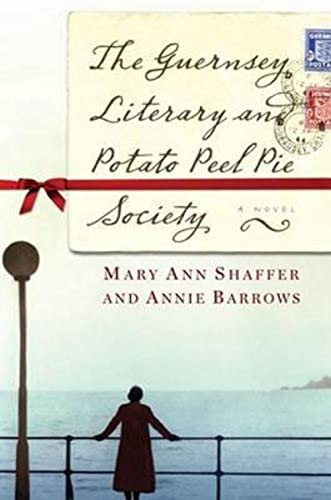
Find The Guernsey Literary and Potato Peel Pie Society Mary Ann Shaffer in PDF, EPUB, ebook, audiobook, print, or library editions.
1 books in catalog
Historical fiction set during the German occupation of the Channel Islands achieved widespread acclaim through an epistolary story centered on community, literature, and resilience during World War II. American writer Mary Ann Shaffer brought this story to life in The Guernsey Literary and Potato Peel Pie Society, a posthumously published novel created with her niece, Annie Barrows, that illustrates the sustaining power of reading and personal connection amid conflict.
Mary Ann Shaffer was born Mary Ann Fiery on December 13, 1934, in Martinsburg, West Virginia, and attended Miami University. Throughout her professional life, she worked as an editor, librarian, and bookshop employee. She spent over three decades deeply embedded in the Northern California book world, holding positions at the San Anselmo library, the Larkspur library, Book Passage, and A Clean Well-Lighted Place for Books.
Shaffer harbored a lifelong dream of writing a book that would be published. Her interest in the Channel Islands began during a journey to London, when she took a flight to Guernsey on a whim and became stranded at the airport after a dense fog grounded all transport. While waiting for the weather to clear, she read about the island's history during the German occupation. Encouraged by her writing group over many years, she eventually drafted her novel. When illness prevented her from finishing final revisions, her niece Annie Barrows stepped in to complete the manuscript. Shaffer passed away on February 16, 2008, in San Anselmo, California, shortly before the novel was published.
Shaffer framed her narrative using an epistolary format composed of personal letters and telegrams, allowing a diverse group of characters to share their distinct perspectives on wartime isolation and survival. Her writing highlights how shared literature and secret gatherings foster resilience, humanity, and solidarity during military occupation. The text balances historical detail with warmth, gentle humor, and an emphasis on quiet acts of courage.
1 books in catalog
Historical fiction set during the German occupation of the Channel Islands achieved widespread acclaim through an epistolary story centered on community, literature, and resilience during World War II. American writer Mary Ann Shaffer brought this story to life in The Guernsey Literary and Potato Peel Pie Society, a posthumously published novel created with her niece, Annie Barrows, that illustrates the sustaining power of reading and personal connection amid conflict.
Mary Ann Shaffer was born Mary Ann Fiery on December 13, 1934, in Martinsburg, West Virginia, and attended Miami University. Throughout her professional life, she worked as an editor, librarian, and bookshop employee. She spent over three decades deeply embedded in the Northern California book world, holding positions at the San Anselmo library, the Larkspur library, Book Passage, and A Clean Well-Lighted Place for Books.
Shaffer harbored a lifelong dream of writing a book that would be published. Her interest in the Channel Islands began during a journey to London, when she took a flight to Guernsey on a whim and became stranded at the airport after a dense fog grounded all transport. While waiting for the weather to clear, she read about the island's history during the German occupation. Encouraged by her writing group over many years, she eventually drafted her novel. When illness prevented her from finishing final revisions, her niece Annie Barrows stepped in to complete the manuscript. Shaffer passed away on February 16, 2008, in San Anselmo, California, shortly before the novel was published.
Shaffer framed her narrative using an epistolary format composed of personal letters and telegrams, allowing a diverse group of characters to share their distinct perspectives on wartime isolation and survival. Her writing highlights how shared literature and secret gatherings foster resilience, humanity, and solidarity during military occupation. The text balances historical detail with warmth, gentle humor, and an emphasis on quiet acts of courage.