MA
§Author· 1 book
Mary Ann Shaffer
Also known as Mary Ann Fiery
Historical fiction set during the German occupation of the Channel Islands achieved widespread acclaim through an epistolary story centered on community, literature, and resilience during World War II. American writer Mary Ann Shaffer brought this story to life in The Guernsey Literary and Potato Peel Pie Society, a posthumously published novel created with her niece, Annie Barrows, that illustrates the sustaining power of reading and personal connection amid conflict.
Career & Background
Mary Ann Shaffer was born Mary Ann Fiery on December 13, 1934, in Martinsburg, West Virginia, and attended Miami University. Throughout her professional life, she worked as an editor, librarian, and bookshop employee. She spent over three decades deeply embedded in the Northern California book world, holding positions at the San Anselmo library, the Larkspur library, Book Passage, and A Clean Well-Lighted Place for Books.
Shaffer harbored a lifelong dream of writing a book that would be published. Her interest in the Channel Islands began during a journey to London, when she took a flight to Guernsey on a whim and became stranded at the airport after a dense fog grounded all transport. While waiting for the weather to clear, she read about the island's history during the German occupation. Encouraged by her writing group over many years, she eventually drafted her novel. When illness prevented her from finishing final revisions, her niece Annie Barrows stepped in to complete the manuscript. Shaffer passed away on February 16, 2008, in San Anselmo, California, shortly before the novel was published.
Writing Style & Themes
Shaffer framed her narrative using an epistolary format composed of personal letters and telegrams, allowing a diverse group of characters to share their distinct perspectives on wartime isolation and survival. Her writing highlights how shared literature and secret gatherings foster resilience, humanity, and solidarity during military occupation. The text balances historical detail with warmth, gentle humor, and an emphasis on quiet acts of courage.
Major Works
- The Guernsey Literary and Potato Peel Pie Society — Co-authored with her niece Annie Barrows and published posthumously in 2008, this epistolary novel details the lives of Guernsey islanders during and after the German occupation of World War II and the unexpected comfort found in a local book club.
§All Books
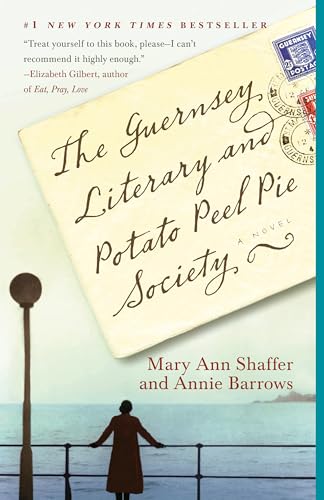
The Guernsey Literary and Potato Peel Pie Society
Mary Ann Shaffer, 2008
426 ratings
§ About Mary Ann Shaffer's books
- Books on SansFiction
- 1
- Published
- 2008
- Average rating
- 4.1 / 5 across 426 ratings
- Genres
- Book Clubs (Discussion Groups), Classics, Fiction, Friendship
The book: The Guernsey Literary and Potato Peel Pie Society (2008)
“I wonder how the book got to Guernsey? Perhaps there is some sort of secret homing instinct in books that brings them to their perfect readers.” January 1946: London is emerging from the shadow of the Second World War, and writer Juliet Ashton is looking for her next book subject.
Common questions about Mary Ann Shaffer
- Who is Mary Ann Shaffer?
- Mary Ann Shaffer was born Mary Ann Fiery on December 13, 1934, in Martinsburg, West Virginia, and attended Miami University. Throughout her professional life, she worked as an editor, librarian, and bookshop employee.
- What is Mary Ann Shaffer best known for?
- Mary Ann Shaffer is best known for The Guernsey Literary and Potato Peel Pie Society, published in 2008 with 426 ratings and a 4.1 average. It is the most-rated of Mary Ann Shaffer's books on SansFiction.
- What genres does Mary Ann Shaffer write?
- Mary Ann Shaffer's books on SansFiction are tagged Book Clubs (Discussion Groups), Classics, Fiction and Friendship.
Explore: Book Clubs (Discussion Groups) · Classics · Fiction · Friendship