§Synopsis
01In the sweltering humidity of 1932 Louisiana, the "Green Mile" at Cold Mountain Penitentiary represents the final stretch of life for those condemned to the electric chair. Paul Edgecombe, a man of quiet professional integrity, oversees E Block with a heavy sense of duty, ensuring that the transition from life to "Old Sparky" is handled with as much dignity as the system allows. His world is one of routine, calculated silence, and the grim reality of state-sanctioned death, until the arrival of an inmate who defies every expectation of the environment and the crimes he is alleged to have committed.
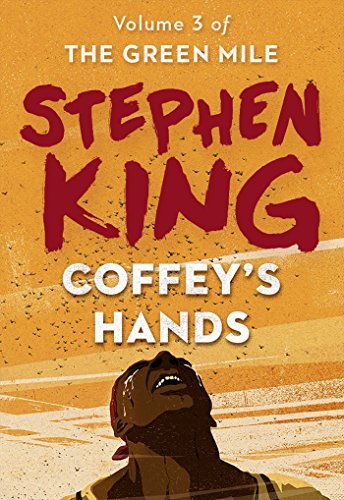
John Coffey, a towering man accused of a horrific crime against two young girls, enters the block not with the malice one would expect of a monster, but with a paralyzing fear of the dark and a strange, weeping gentleness. As Paul begins to witness inexplicable occurrences that challenge his pragmatic worldview—beginning with an impossible physical healing of his own chronic ailment—he is forced to reconcile the brutal legal certainty of Coffey’s sentence with the increasingly miraculous nature of the man’s presence. The central tension lies in the friction between institutional law and an emergent, unexplainable morality that threatens to upend the order of the Mile.
The Geography of Institutional Despair
The world of the novel is defined by the rigid, claustrophobic boundaries of Cold Mountain Penitentiary during the Great Depression. King meticulously builds an atmosphere where the "Green Mile"—named for the lime-colored linoleum floor leading to the execution chamber—functions as a liminal space between the living world and the void. The rules are absolute: guards must maintain a veneer of calm to prevent the "circus" of a panicking condemned man, and the machinery of death must be tested with clinical precision. This grounded, gritty realism serves as a stark canvas for the supernatural elements, making the eventual departures from logic feel both jarring and profound. The setting is not merely a backdrop but a character itself, representing the weight of systemic judgment and the isolation of those who live on the periphery of society.
The Professionalism of Compassion
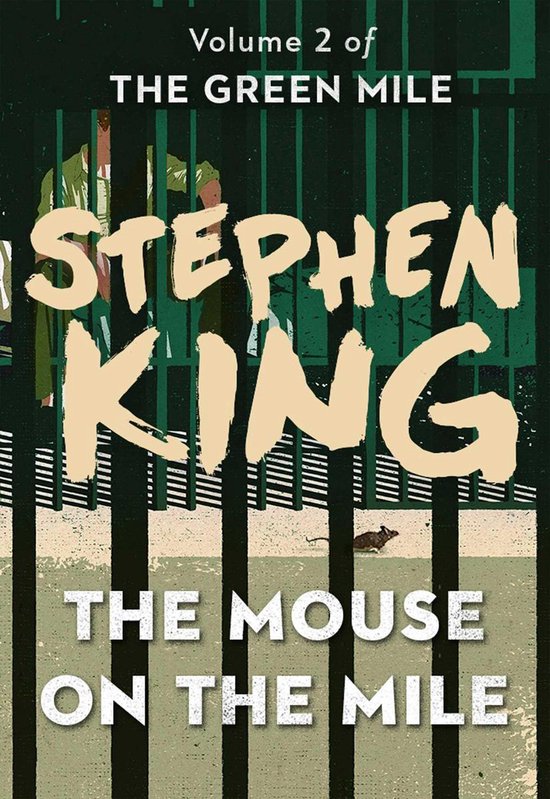
The narrative is anchored by Paul Edgecombe’s development from a seasoned, somewhat detached supervisor into a man grappling with a profound crisis of conscience. Initially, Paul’s primary focus is the maintenance of order and the management of his staff, which includes the professional Brutus "Brutal" Howell and the sadistic, well-connected Percy Wetmore. Paul’s arc is defined by his evolving relationship with the inmates, particularly his realization that the "monsters" he guards are often more human than the men who hold the keys. The introduction of Mr. Jingles, a preternaturally intelligent mouse, acts as a catalyst for the guards' shifting dynamics, forcing them to foster a sense of community and empathy in a place designed specifically for retribution and termination.
Subverting Southern Gothic and Supernatural Tropes
The story utilizes the Southern Gothic tradition—marked by decay, social tension, and moral ambiguity—while subverting the typical "prison thriller" tropes. Rather than focusing on a traditional "innocent man on the run" narrative, the book explores the burden of those tasked with carrying out a sentence that may be fundamentally unjust. It utilizes the "Gentle Giant" trope through John Coffey but complicates it by imbuing him with a heavy, empathetic burden that suggests his presence is a cosmic anomaly rather than a simple plot device. By injecting elements of magical realism into the bleakest possible setting, the narrative examines the paradox of finding grace within a slaughterhouse, questioning whether the legal definition of justice has any overlap with the concept of moral goodness.
The Mechanics of Moral Dilemma
The stakes of the first half of the novel are primarily internal and interpersonal. Paul is faced with a terrifying mechanical question: what does one do when the law demands the execution of a man who appears to be an agent of divine healing? The conflict is exacerbated by the presence of Percy Wetmore, whose cruelty represents the worst impulses of human nature sanctioned by a badge. This creates a volatile environment where the guards must protect the dignity of the condemned from one of their own. The suspense is not driven by whether an escape will occur, but by the mounting pressure of an impending execution and the spiritual weight of pulling the switch on a man who seems to carry the world’s pain.
Track this book
Add to your library to track progress and write reviews