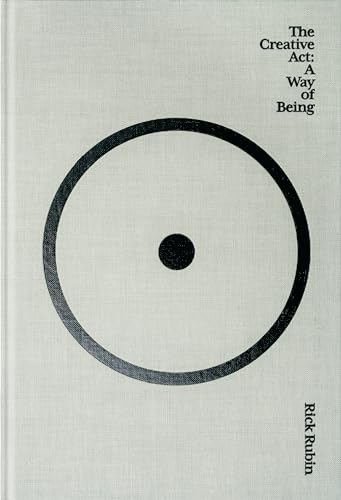
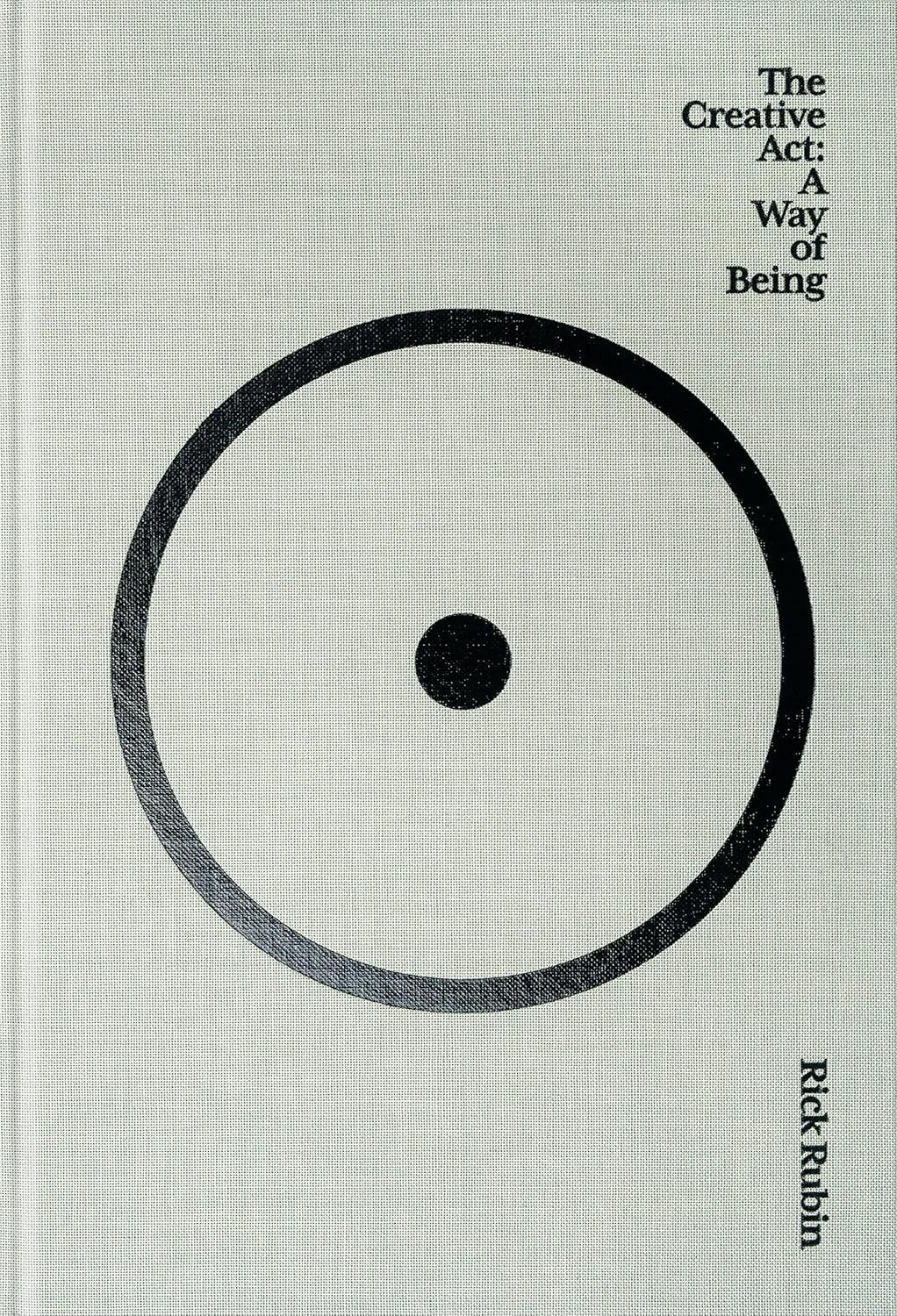
Many famed music producers are known for a particular sound that has its day and then ages out. Rick Rubin is known for something else: creating a space where artists of all different genres and traditions can home in on who they really are and what they really offer. He has made a practice of helping people transcend their self-imposed expectations in order to reconnect with a state of innocence from which the surprising becomes inevitable. Over the years, as he has thought deeply about where creativity comes from and where it doesn’t, he has learned that being an artist isn’t about your specific output; it’s about your relationship to the world. Creativity has a place in everyone’s life, and everyone can make that place larger. In fact, there are few more important responsibilities. The Creative Act is a beautiful and generous course of study that illuminates the path of the artist as a road we all can follow. It distils the wisdom gleaned from a lifetime’s work into a luminous reading experience that puts the power to create moments – and lifetimes – of exhilaration and transcendence within closer reach for all of us.
Add to your library to track progress and write reviews
Find The Creative Act: A Way of Being Rick Rubin in PDF, EPUB, ebook, audiobook, print, or library editions.

1 books in catalog
Long known for shaping pivotal soundscapes across hip-hop, rock, heavy metal, and country music, record producer and executive insights on artistic expression extend directly into literature. In his book The Creative Act: A Way of Being, legendary producer Rick Rubin codifies the artistic philosophy and practical wisdom honed over four decades of studio collaboration with groundbreaking recording artists.
Born Frederick Jay Rubin on March 10, 1963, in Long Beach, New York, he grew up on Long Island immersed in music, progressing from arena rock and punk to the emerging New York City hip-hop scene. While attending New York University in 1983, Rubin produced the single "It's Yours" by T La Rock and Jazzy Jay out of his dorm room. The release led him to co-found Def Jam Recordings with Russell Simmons in 1984, establishing a label that launched influential acts such as LL Cool J, the Beastie Boys, and Run-D.M.C.
Rubin left Def Jam in 1988 to form Def American Recordings, later renamed American Recordings, expanding his production work to metal acts like Slayer and alternative rock groups like the Red Hot Chili Peppers and System of a Down. He later rejuvenated Johnny Cash's late-career catalogue through the acclaimed American Recordings album series, served as co-president of Columbia Records, and operated his California studio, Shangri-La, producing records for artists ranging from Tom Petty to Adele.
Rubin's written work reflects the minimalist, artist-first philosophy that defined his music production career. Rather than dwelling on technical mechanics, his writing concentrates on emotional authenticity, presence, and stripping away unnecessary noise to access genuine intuition. He presents creativity not as a specialized skill reserved for professional artists, but as an essential human practice driven by mindfulness, acute listening, and openness to one's environment.
A recurring theme in his philosophy is the defense of uninhibited expression and creative freedom. Rubin addresses common internal barriers such as self-doubt, overthinking, and commercial pressure, offering practical strategies to cultivate curiosity and sustain artistic momentum through uncertain creative stages.

1 books in catalog
Long known for shaping pivotal soundscapes across hip-hop, rock, heavy metal, and country music, record producer and executive insights on artistic expression extend directly into literature. In his book The Creative Act: A Way of Being, legendary producer Rick Rubin codifies the artistic philosophy and practical wisdom honed over four decades of studio collaboration with groundbreaking recording artists.
Born Frederick Jay Rubin on March 10, 1963, in Long Beach, New York, he grew up on Long Island immersed in music, progressing from arena rock and punk to the emerging New York City hip-hop scene. While attending New York University in 1983, Rubin produced the single "It's Yours" by T La Rock and Jazzy Jay out of his dorm room. The release led him to co-found Def Jam Recordings with Russell Simmons in 1984, establishing a label that launched influential acts such as LL Cool J, the Beastie Boys, and Run-D.M.C.
Rubin left Def Jam in 1988 to form Def American Recordings, later renamed American Recordings, expanding his production work to metal acts like Slayer and alternative rock groups like the Red Hot Chili Peppers and System of a Down. He later rejuvenated Johnny Cash's late-career catalogue through the acclaimed American Recordings album series, served as co-president of Columbia Records, and operated his California studio, Shangri-La, producing records for artists ranging from Tom Petty to Adele.
Rubin's written work reflects the minimalist, artist-first philosophy that defined his music production career. Rather than dwelling on technical mechanics, his writing concentrates on emotional authenticity, presence, and stripping away unnecessary noise to access genuine intuition. He presents creativity not as a specialized skill reserved for professional artists, but as an essential human practice driven by mindfulness, acute listening, and openness to one's environment.
A recurring theme in his philosophy is the defense of uninhibited expression and creative freedom. Rubin addresses common internal barriers such as self-doubt, overthinking, and commercial pressure, offering practical strategies to cultivate curiosity and sustain artistic momentum through uncertain creative stages.