
§Author· 1 book
Rick Rubin
Also known as Frederick Jay Rubin, DJ Double R, The Loudness King
Long known for shaping pivotal soundscapes across hip-hop, rock, heavy metal, and country music, record producer and executive insights on artistic expression extend directly into literature. In his book The Creative Act: A Way of Being, legendary producer Rick Rubin codifies the artistic philosophy and practical wisdom honed over four decades of studio collaboration with groundbreaking recording artists.
Career & Background
Born Frederick Jay Rubin on March 10, 1963, in Long Beach, New York, he grew up on Long Island immersed in music, progressing from arena rock and punk to the emerging New York City hip-hop scene. While attending New York University in 1983, Rubin produced the single "It's Yours" by T La Rock and Jazzy Jay out of his dorm room. The release led him to co-found Def Jam Recordings with Russell Simmons in 1984, establishing a label that launched influential acts such as LL Cool J, the Beastie Boys, and Run-D.M.C.
Rubin left Def Jam in 1988 to form Def American Recordings, later renamed American Recordings, expanding his production work to metal acts like Slayer and alternative rock groups like the Red Hot Chili Peppers and System of a Down. He later rejuvenated Johnny Cash's late-career catalogue through the acclaimed American Recordings album series, served as co-president of Columbia Records, and operated his California studio, Shangri-La, producing records for artists ranging from Tom Petty to Adele.
Writing Style & Themes
Rubin's written work reflects the minimalist, artist-first philosophy that defined his music production career. Rather than dwelling on technical mechanics, his writing concentrates on emotional authenticity, presence, and stripping away unnecessary noise to access genuine intuition. He presents creativity not as a specialized skill reserved for professional artists, but as an essential human practice driven by mindfulness, acute listening, and openness to one's environment.
A recurring theme in his philosophy is the defense of uninhibited expression and creative freedom. Rubin addresses common internal barriers such as self-doubt, overthinking, and commercial pressure, offering practical strategies to cultivate curiosity and sustain artistic momentum through uncertain creative stages.
Major Works
- The Creative Act: A Way of Being — Rubin's principal literary work distills decades of experience in the music industry into a reflective guide on mindfulness, artistic intuition, and the creative process.
§All Books
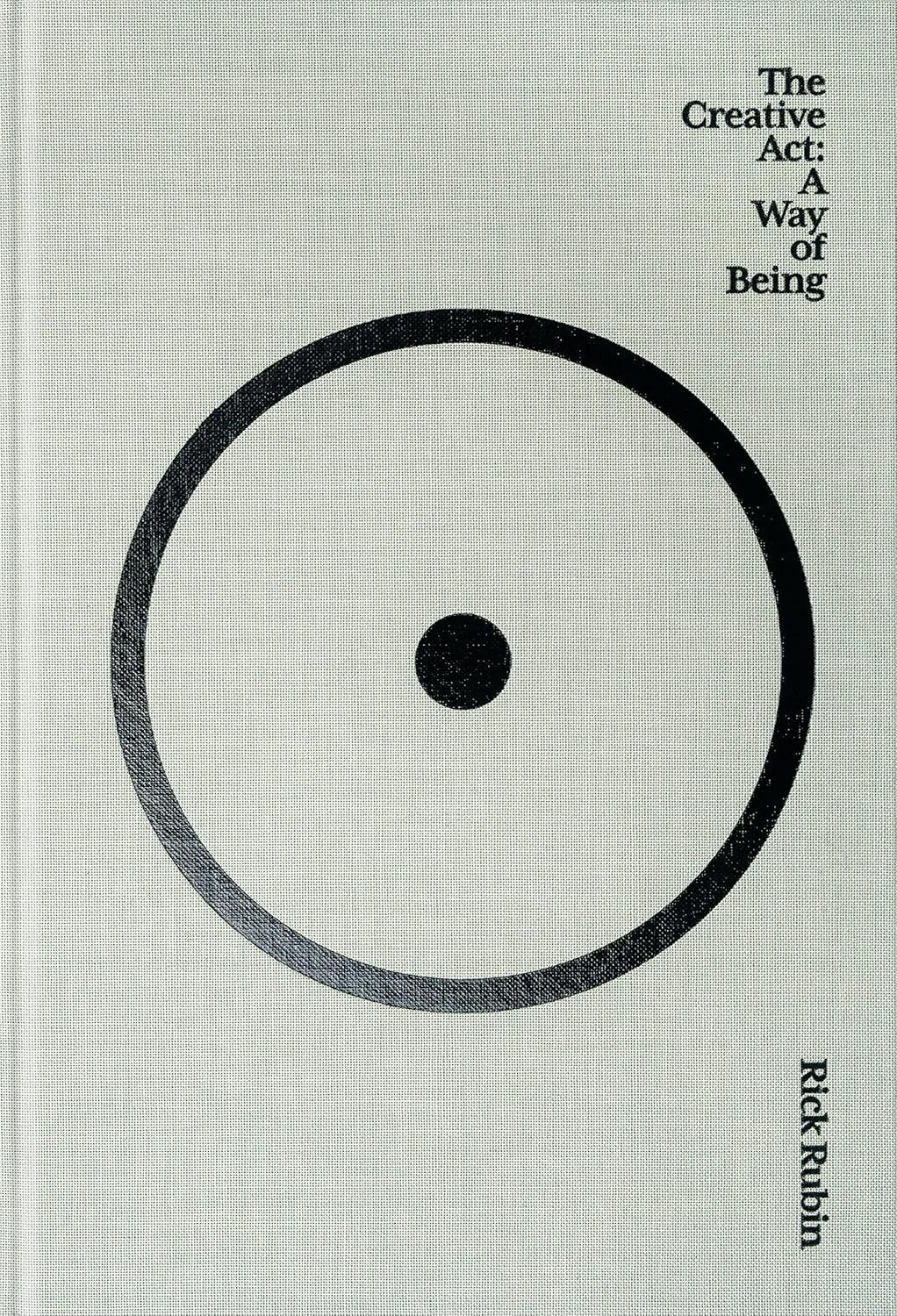
The Creative Act: A Way of Being
Rick Rubin, 2023
180 ratings
§ About Rick Rubin's books
- Books on SansFiction
- 1
- Published
- 2023
- Average rating
- 3.7 / 5 across 180 ratings
- Genres
- Design, Music, Nonfiction, Personal Development
The book: The Creative Act: A Way of Being (2023)
Many famed music producers are known for a particular sound that has its day and then ages out. Rick Rubin is known for something else: creating a space where artists of all different genres and traditions can home in on who they really are and what they really offer.
Common questions about Rick Rubin
- Who is Rick Rubin?
- Born Frederick Jay Rubin on March 10, 1963, in Long Beach, New York, he grew up on Long Island immersed in music, progressing from arena rock and punk to the emerging New York City hip-hop scene. While attending New York University in 1983, Rubin produced the single "It's Yours" by T La Rock and Jazzy Jay out of his dorm room.
- What is Rick Rubin best known for?
- Rick Rubin is best known for The Creative Act: A Way of Being, published in 2023 with 180 ratings and a 3.7 average. It is the most-rated of Rick Rubin's books on SansFiction.
- What genres does Rick Rubin write?
- Rick Rubin's books on SansFiction are tagged Design, Music, Nonfiction and Personal Development.
Explore: Design · Music · Nonfiction · Personal Development