§Synopsis
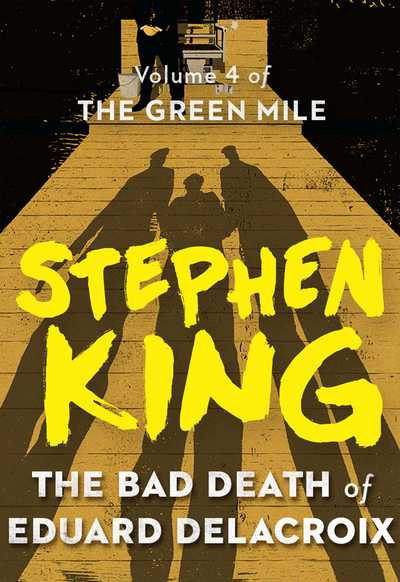
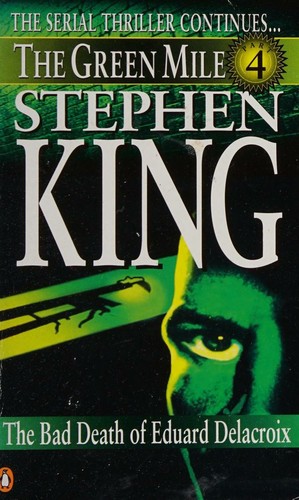
01In the claustrophobic corridors of Cold Mountain Penitentiary, time is the only currency that matters, and for Eduard Delacroix, the accounts are nearly settled. As the fourth installment of Stephen King’s serialized masterpiece unfolds, the atmospheric pressure of the Great Depression-era South settles heavily over E Block. The narrative shifts its focus toward the mechanical and psychological preparations for an execution, highlighting the grim ritualism of "Old Sparky," the electric chair that looms at the end of the Green Mile.
The tension in this chapter of the story stems from a volatile intersection of professional duty and personal malice. While Paul Edgecombe and his veteran crew attempt to maintain a sense of solemnity and "decency" in the face of state-sanctioned death, their efforts are undermined by the sadistic incompetence of Percy Wetmore. The conflict is no longer just about the transition from life to death; it is about the struggle to keep a shred of humanity within a system designed to strip it away, all while a mysterious mouse named Mr. Jingles and the enigmatic John Coffey watch from the shadows of their cells.
World Building: The Sensory Rigor of E Block
King constructs the Green Mile not merely as a prison wing, but as a liminal space where the laws of the outside world are suspended. The 1930s setting is rendered through sensory details: the oppressive humidity of the Louisiana summer, the smell of floor wax and fear, and the distinctive lime-colored linoleum that gives the block its name. The "world" here is defined by a strict set of procedures designed to minimize the horror of the electric chair—the salt-soaked sponge, the leather straps, and the precise timing of the current. This mechanical focus serves as a stark contrast to the burgeoning elements of magical realism introduced through John Coffey’s presence, suggesting that while the prison is built on cold logic, the Mile itself might be susceptible to something older and more inexplicable.
Character Development: The Weary Protector vs. The Protected Sadist
The protagonist, Paul Edgecombe, is established as a man defined by a quiet, weary empathy. His arc in this segment revolves around the burden of leadership and the moral tax of his profession. Paul’s primary challenge is managing the delicate psychological state of the doomed Delacroix while neutralizing the threat posed by Percy Wetmore. Percy serves as the narrative’s primary antagonist, a man whose political connections make him untouchable and whose cowardice manifests as cruelty. The dynamic between the guards is a study in power; Paul holds the official authority, but Percy holds the "juice" of nepotism, creating a workplace environment where a single lapse in vigilance could lead to catastrophe.
Major Tropes: Subverting the Death Row Procedural
While the story utilizes the "Death Row" trope common in crime fiction, King subverts it by shifting the focus away from the question of the inmate’s legal innocence and toward the spiritual state of the executioners. In traditional noir or legal thrillers, the drama usually centers on a last-minute stay of execution or a legal breakthrough. Here, the drama is internal and procedural. By introducing Mr. Jingles—a mouse that displays near-human intelligence—King also blends the prison drama with the "small companion" trope, using the creature as a focal point for the inmates' remaining humanity and a target for the guards' conflicting temperaments. This infusion of the mundane with the miraculous elevates the story from a standard genre piece into a deeper exploration of the soul’s conduct in its final hours.
Stakes and Moral Dilemmas: The Price of a "Clean" Death
The central dilemma of this volume is the preservation of a prisoner's dignity in a setting that offers none. Paul and his team are tasked with a paradox: they must kill a man while simultaneously caring for him. The stakes are profoundly personal; if the execution is botched, it is not just a failure of the machine, but a stain on the conscience of every man in the room. As the date for Delacroix’s walk down the Mile approaches, the primary threat is not the law, but the human element—specifically, whether the guards can protect the condemned from the petty vengeance of one of their own before the switch is finally thrown.
Track this book
Add to your library to track progress and write reviews