№ 2 · Adventures of Tom and Huck
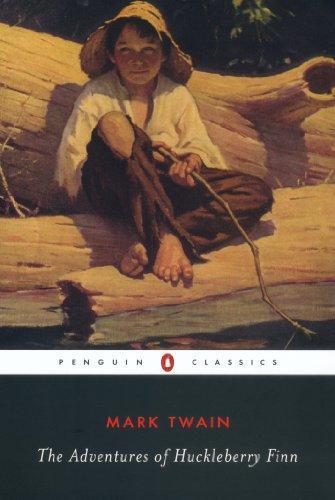
The Adventures of Huckleberry Finn,
by Guy Cardwell, John Seelye, Walter Trier, E.W. Kemble, Mark Twain
§Synopsis
01Mark Twain's brilliant 19th-century novel has long been recognized as one of the finest examples of American literature. It brings back the irrepressible and free-spirited Huck, first introduced in The Adventures of Tom Sawyer, and puts him center stage. Rich in authentic dialect, folksy humor, and sharp social commentary, Twain's classic tale follows Huck and the runaway slave Jim on an exciting journey down the Mississippi.
§Our take
The case for Huckleberry Finn rests on its voice, its river passages and a moral crisis that still refuses easy comfort. Huck can describe a fraud, feud or mob without seeing how funny or grim it is; readers catch what he misses. That deadpan sharpens the satire, though the shifting dialect can initially wear on some readers.
The final chapters remain the fault line: Hemingway advised readers to stop before them, while Ralph Ellison treated them as essential to the novel's meaning. Jim is harder still. Stephen Railton sees minstrel-show comedy in the portrayal, while Shelley Fisher Fishkin sees intelligence and agency that Huck fails to notice. An annotated edition helps with the dialect and history. NewSouth's optional 2011 classroom alternative replaces the recurring racial epithet, and scholars sharply criticized the substitution.
§Themes
- Conscience versus conditioning
- Huck has been taught that helping an enslaved man escape is wrong, and his own conscience refuses to learn the lesson.
- The joke Huck misses
- Huck reports frauds, feuds, mobs and piety without fully understanding them, leaving readers to recognize the satire he misses.
- The river as counterweight
- Quiet stretches on the raft provide room for reflection between the novel's chaotic onshore episodes.
- The trouble with Jim
- The same scenes support sharply opposed readings of Jim, from minstrel-show caricature to a shrewd man whose intelligence Huck fails to notice.
- The ending fault line
- Readers still divide over whether the final chapters collapse the novel or supply its sharpest satire.
§How it was received
Several American libraries banned the book after publication; the Concord Public Library committee judged it too coarse in 1885, and Louisa May Alcott thought it unsuitable for young readers. Its standing rose largely in the mid-20th century, when Hemingway praised it while advising readers to stop before the final chapters. Ron Powers argued that the final chapters did not undo the book's wider reputation; Smiley judged them a failure, and the argument over Jim keeps the critical conversation alive.
§Read it if
- You like a plainspoken first-person narrator who sounds like a real person and lets readers catch what he misses
- You can handle racist language and dated portrayals of Black characters, and want a book that forces those issues into the open
- You enjoy reflective river passages balanced with episodic comedy and moral dilemmas about race, class and slavery
§Skip it if
- You want a smooth, modern pace. The deliberate dialect shifts and repeated gags can wear on readers.
- You need a book without disturbing depictions of racism. The offensive language and disputed portrayal of Jim are central, not incidental.
§Before you start
- Reading experience
- The pace is episodic rather than propulsive: deliberate dialect shifts may slow early reading, while quiet river passages break up bursts of onshore comedy and the long Tom Sawyer farce at the end.
- Reading order
- It follows The Adventures of Tom Sawyer (1876) in the Adventures of Tom and Huck sequence, though Huckleberry Finn is fully self-contained and recaps what readers need in the opening lines. Twain later wrote the lighter Tom Sawyer Abroad (1894) and Tom Sawyer, Detective (1896).
- Content notes
- Pervasive racist language, including a recurring epithet for Black people and slurs for Native Americans; Dated, demeaning depictions of Black characters; Child abuse: Huck's father beats him, holds him captive and threatens him with a knife; Slavery, including the threat of sale and family separation; Several deaths and violent episodes, mostly offstage; Animal death; Alcoholism, children being given liquor and tobacco use.
§Common questions
- Do I need to read The Adventures of Tom Sawyer first?
- No. Huckleberry Finn is fully self-contained, though Tom Sawyer gives useful background on Huck and Tom.
- Should I stop before the ending?
- Hemingway advised readers to stop, but Ralph Ellison regarded the final chapters as essential. Read the whole novel, then make up your own mind.
- Which edition should I read?
- Most editions preserve Twain's language. Annotated editions add context for the dialect and history; NewSouth's optional 2011 classroom edition substitutes 'slave' for the recurring epithet and drew sharp criticism.
§If you liked this
- James by Percival Everett — Percival Everett's National Book Award winner retells the journey from Jim's point of view as a literate man hiding his intelligence, a direct answer to the book's hardest question.
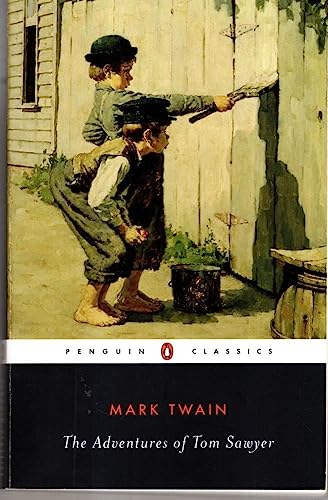
- The Adventures of Tom Sawyer by Mark Twain — The lighter prequel introduces Huck and Tom and explains Tom's role in the final act.
- Narrative of the Life of Frederick Douglass by Frederick Douglass — Shelley Fisher Fishkin recommends pairing Huck Finn with Douglass's first-person account so Black voices and the history of slavery get a fuller hearing.
- Huck Out West by Robert Coover — Coover's literary sequel follows Huck into adulthood on the frontier, picking up where Twain's ending points.
Track this book
Add to your library to track progress and write reviews