§Synopsis
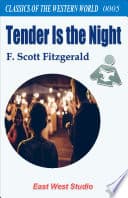
01A psychiatrist, Dick Diver, treats and eventually marries a wealthy patient, Nicole. Eventually, this marriage destroys him.
A psychiatrist, Dick Diver, treats and eventually marries a wealthy patient, Nicole. Eventually, this marriage destroys him.
Add to your library to track progress and write reviews
Find Tender is the Night F. Scott Fitzgerald in PDF, EPUB, ebook, audiobook, print, or library editions.

2 books in catalog
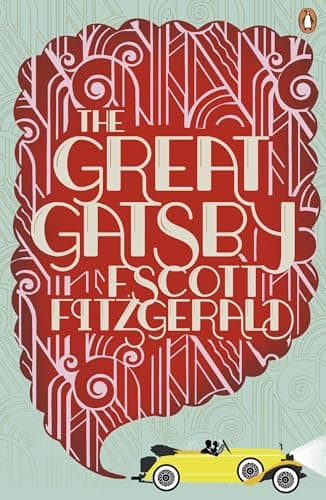
Depicting the flamboyance, ambition, and tragic excesses of the 1920s, American fiction of the Jazz Age captured a generation caught between rapid social change and disillusioned idealism. Francis Scott Key Fitzgerald became one of the defining novelists and short story writers of this era, popularizing the term Jazz Age itself and earning recognition as a prominent voice among the Lost Generation of post-World War I creators. His third novel, The Great Gatsby, skewers the illusions of the American Dream through its portrayal of wealth, longing, and social class, remaining one of the most widely read works in twentieth-century literature.
Born Francis Scott Key Fitzgerald on September 24, 1896, in Saint Paul, Minnesota, the author rose to immediate fame at age twenty-three with his debut novel, This Side of Paradise, published in 1920. The book's chronicling of post-war youth culture established his literary reputation, which he expanded with his second novel, The Beautiful and Damned. Alongside his longer works, he earned a living publishing over 150 short stories in popular magazines, compiling collections such as Tales of the Jazz Age. Throughout the Twenties, Fitzgerald achieved transient financial success alongside his wife and muse, Zelda, before facing alcoholism, financial problems, and Zelda's mental health struggles. His ambitious 1934 novel, Tender Is the Night, met with mixed commercial response during the Great Depression. He moved to Hollywood in his later years to work as a screenwriter before dying on December 21, 1940.
Fitzgerald's prose is characterized by poetic lyricism, sharp social observation, and an acute attention to glittering surfaces that conceal underlying decay. As a key member of the Lost Generation, he routinely examined themes of youth and promise intertwined with despair, age, class divides, and the corrupting nature of unexamined wealth. His work anticipated how mass media and omnipresent imagery shaped personal identity, depicting characters drawn to glamorous lifestyles only to encounter bitter disappointment. Across four completed novels, four story collections, and his unfinished final novel, Fitzgerald balanced romantic idealism with a piercing critique of early twentieth-century American culture.