The publication of anthropomorphic animal fantasy was reshaped in 1972 by a naturalistic tale following a group of wild European rabbits driven from their warren in search of a safer home. English novelist Richard Adams originally devised the narrative during long car journeys to entertain his young daughters, creating a detailed world with its own mythology, language, and social structure.
That debut novel, Watership Down, achieved international acclaim, becoming Penguin Books' best-selling novel of all time and inspiring a notable 1978 animated film adaptation directed by Martin Rosen. Adams's realistic portrayal of animal survival and social conflict revitalized the genre of animal fiction and inspired a broad wave of subsequent fantasy works focused on non-human perspectives.
Career & Background
Born on May 9, 1920, in Wash Common near Newbury, Berkshire, Richard George Adams grew up exploring the rural English countryside that later informed his fiction. He attended Horris Hill School from 1926 to 1933 and Bradfield College before studying Modern History at Worcester College, Oxford. His university education was interrupted by World War II, during which he served in the British Army. After completing his studies following the war, Adams embarked on a long career as a British civil servant, working in government departments for over two decades before turning to fiction.
After facing 13 or 14 rejections from publishers who doubted a long, serious novel about rabbits would appeal to readers, Adams finally saw Watership Down published by Rex Collings in 1972. The novel's extraordinary commercial success allowed him to resign from the Civil Service in 1974 to become a full-time author. Over the following decades, he expanded his bibliography with ambitious epic fantasies and animal-centered novels, including Shardik (1974), The Plague Dogs (1977), and Maia (1984), before passing away on December 24, 2016, at the age of 96.
Writing Style & Themes
Adams distinguished his fiction through a grave, detailed, and meticulously researched naturalism that treated animal biology, instinct, and environmental pressures with serious gravity rather than lighthearted sentimentality. His narratives integrate rich world-building, incorporating invented mythologies, folklore, and specialized dialects that give animal societies a distinct cultural depth. Rather than presenting simple children's fables, his works present complex moral and political allegories, examining themes of exile, totalitarian power, ecological stewardship, and human cruelty toward animals.
Major Works
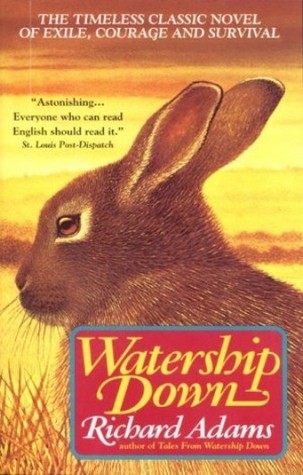
- Watership Down — Published in 1972, this landmark novel recounts the harrowing journey of a small group of wild rabbits escaping the destruction of their warren to establish a new community on the Hampshire downs. Combining survival drama with Lapine mythology and culture, it became Penguin Books' best-selling novel of all time and inspired a celebrated 1978 animated film.
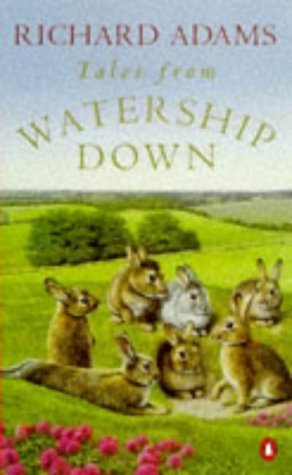
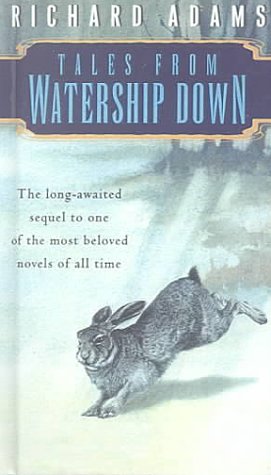
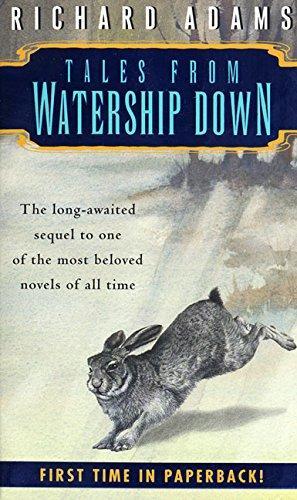
- Tales from Watership Down — This 1996 short story collection returns to the world of Adams's famous debut, featuring mythological folk tales of the hero rabbit El-ahrairah alongside new short stories detailing the further lives and adventures of Hazel, Bigwig, and the Sandleford warren survivors.
- Shardik — First published in 1974, this epic fantasy novel centers on a massive, wild bear believed by a hunter and a superstitious empire to be the divine incarnation of God's power, exploring themes of religious devotion, tyranny, and human self-delusion.
- The Plague Dogs — Released in 1977, this satire and survival novel follows two dogs, Snitter and Rowf, who escape from a government animal experimentation laboratory in the English Lake District, raising dark questions about human ethics and animal exploitation.