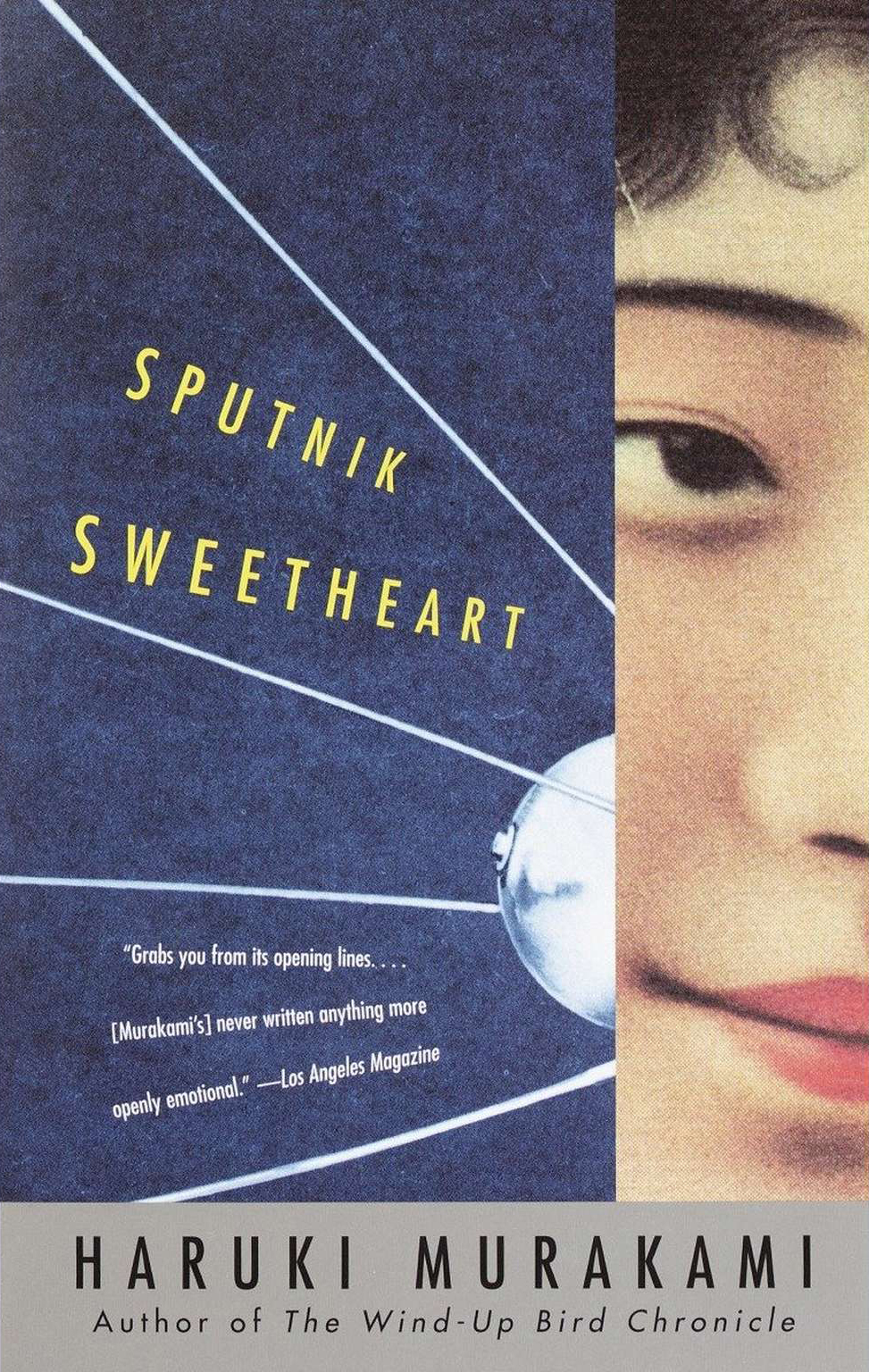
Blending ordinary everyday settings with surreal dreamscapes and magical realism, modern Japanese fiction frequently explores themes of alienation, memory, and longing. Haruki Murakami, a Japanese writer and translator born on January 12, 1949, gained widespread recognition with his realistic 1987 novel Norwegian Wood, alongside intricate surreal narratives such as The Wind-Up Bird Chronicle and Kafka on the Shore.
Career & Background
Born in Kyoto and raised in Kobe, Murakami attended Waseda University in Tokyo. Before pursuing writing full-time, he and his wife operated a small jazz club in Tokyo for seven years. In April 1978, while watching a baseball game at Jingu Stadium, Murakami experienced an epiphany that he could write a novel. He went home that evening and began writing his debut novel, Hear the Wind Sing, which won the Gunzo Prize for New Writers.
Following the massive success of Norwegian Wood, Murakami lived in Europe and the United States, spending time as a visiting scholar and writer-in-residence before returning to Japan. Over his career, he has translated numerous English-language literary works into Japanese. His writings have been translated into 50 languages and sold millions of copies worldwide, receiving international accolades including the World Fantasy Award, the Frank O'Connor International Short Story Award, the Franz Kafka Prize, the Jerusalem Prize, and the Tanizaki Prize.
Writing Style & Themes
Murakami's writing style operates in a liminal space between detailed realism, modern fable, detective mystery, and speculative fiction. His narrative approach often begins with mundane domestic routines—such as cooking, listening to jazz records, or searching for a missing cat—before quietly mutating into subterranean realms or parallel realities. His creative process relies on intuitive discovery rather than pre-planned outlines, allowing strange occurrences to unfold naturally within his storytelling.
Recurring motifs across his prose include feline companions, deep wells, mysterious phone calls, and isolated protagonists processing grief or emotional detachment. Through his non-fiction work, including Novelist as a Vocation, Murakami also shares insights into his disciplined creative habits and reflections on the craft of writing fiction.
Major Works
- Norwegian Wood — A nostalgic, realistic novel set in 1960s Tokyo, focusing on youth, grief, and romantic intimacy through protagonist Toru Watanabe.
- The Wind-Up Bird Chronicle — A multi-layered narrative following a man searching for his missing wife, gradually uncovering historical secrets and surreal underground worlds.
- Kafka on the Shore — A dual story interweaving a teenage runaway named Kafka Tamura with an elderly man who can converse with cats, bound together by fate and mythic prophecy.
- 1Q84 — A sprawling dystopian novel set in an alternate 1984 Tokyo featuring two parallel protagonists navigating secret cults, violence, and two moons in the sky.
- Sputnik Sweetheart — A reflective story of unrequited love, longing, and sudden disappearance that explores the existential solitude between close companions.
- After the Quake — A short story collection exploring the quiet psychological tremors experienced by individuals in the aftermath of the 1995 Kobe earthquake.
- Novelist as a Vocation — A non-fiction essay collection offering candid insights into Murakami's creative process, personal discipline, and views on the novel form.