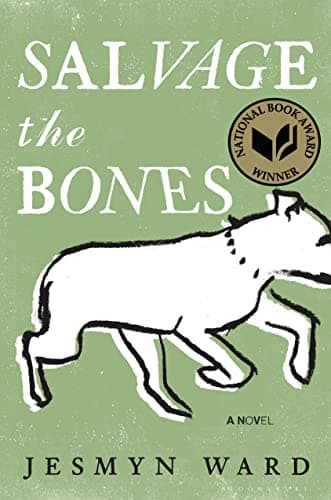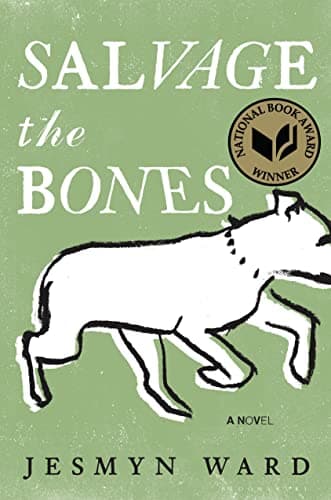
A hurricane is building over the Gulf of Mexico, threatening the coastal town of Bois Sauvage, Mississippi, and Esch's father is growing concerned. A hard drinker, largely absent, he doesn't show concern for much else. Esch and her three brothers are stocking food, but there isn't much to save. Lately, Esch can't keep down what food she gets; she's fourteen and pregnant. Her brother Skeetah is sneaking scraps for his prized pitbull's new litter, dying one by one in the dirt. Meanwhile, brothers Randall and Junior try to stake their claim in a family long on child's play and short on parenting.
As the twelve days that make up the novel's framework yield to their dramatic conclusion, this unforgettable family--motherless children sacrificing for one another as they can, protecting and nurturing where love is scarce--pulls itself up to face another day. A big-hearted novel about familial love and community against all odds, and a wrenching look at the lonesome, brutal, and restrictive realities of rural poverty, Salvage the Bones is muscled with poetry, revelatory, and real.
Add to your library to track progress and write reviews
Find Salvage the Bones Jesmyn Ward in PDF, EPUB, ebook, audiobook, print, or library editions.

3 books in catalog
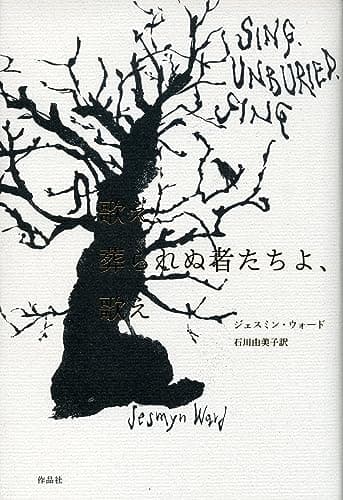
Set in rural coastal Mississippi, contemporary fiction depicting working-class Black families facing environmental disasters, systemic poverty, and personal loss has reshaped Southern literature. Jesmyn Ward established her reputation through novels and creative nonfiction grounded in the Gulf Coast region, becoming the first woman and first Black American author to win the National Book Award for Fiction twice. Her second novel, Salvage the Bones, captures twelve days surrounding Hurricane Katrina through the eyes of a pregnant teenager in a Mississippi town, while Sing, Unburied, Sing weaves a road narrative across Mississippi with ghost stories and intergenerational trauma.
Beyond her fiction, Ward writes candid memoirs and essays addressing grief, systemic racism, and community resilience in the American South. Her memoir, Men We Reaped: A Memoir, examines the deaths of five young Black men in her hometown, including her younger brother, combining intimate family history with social analysis.
Ward was born on April 1, 1977, and grew up in DeLisle, Mississippi, along the Gulf Coast. She attended Stanford University, earning a Bachelor of Arts in 1999 and a Master of Arts in 2000, followed by a Master of Fine Arts from the University of Michigan in 2005. Shortly after her graduation from Michigan, Hurricane Katrina flooded her family home in Mississippi. Ward held a Wallace Stegner Fellowship at Stanford University from 2008 to 2010 and served as the John and Renée Grisham Writer in Residence at the University of Mississippi. In 2014, she joined the faculty at Tulane University, where she became a professor of English and Andrew W. Mellon Professor in the Humanities. She received a MacArthur Fellowship in 2017.
Ward's writing combines lyrical prose with an authentic voice, frequently set in the fictional coastal Mississippi town of Bois Sauvage or real Gulf Coast communities. Her narratives center on marginalized Black communities, exploring familial love, survival, addiction, incarceration, and the enduring impacts of poverty and racism. Through poetic description and intense emotional realism, her work incorporates elements of folklore, history, and haunting spiritual presence to examine how past hardships continue to shape present lives.
Bois Sauvage