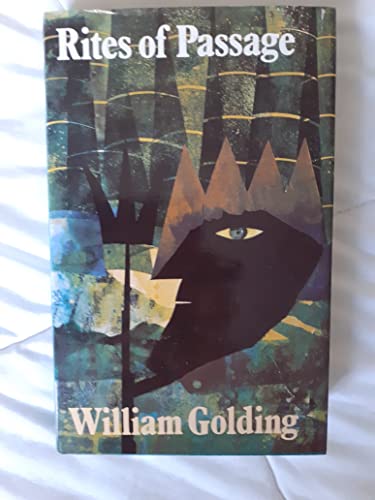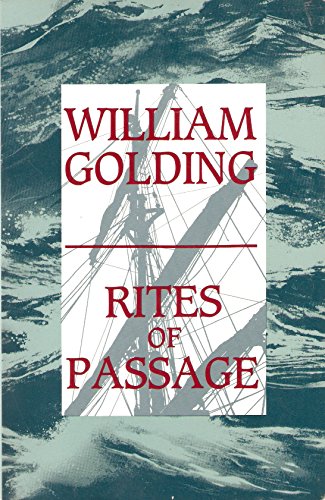
§Synopsis
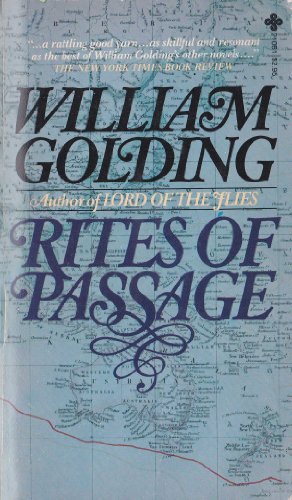
01During the early 18th century, passengers on a ship to Australia include a parson whom the crew choses as a scapegoat.
Track this book
Add to your library to track progress and write reviews
During the early 18th century, passengers on a ship to Australia include a parson whom the crew choses as a scapegoat.
Add to your library to track progress and write reviews

2 books in catalog
The enduring power of twentieth-century fiction often lies in its unsettling examination of human nature when social structures crumble, a theme famously embodied in the classic novel Lord of the Flies. Published in 1954, this dark narrative explores how quickly order devolves into hostility among a group of schoolboys stranded on an island. The author, William Golding, crafted a haunting allegorical work that remains one of the most widely read and studied novels in modern literature.
Born in Cornwall in 1911, William Gerald Golding was educated at Marlborough Grammar School and Brasenose College, Oxford. Though initially directed toward natural sciences by his family, he pivoted to English literature during his university years. Before establishing his literary career, Golding worked as a schoolmaster, lecturer, actor, musician, and poet, publishing a collection of poetry in 1934. His service in the Royal Navy during the Second World War profoundly altered his perspective, exposing him directly to human warfare and providing realistic grounding for his subsequent writing.
Following the major success of his debut novel, Golding published twelve additional novels along with plays and essay collections. In 1980, he was awarded the Booker Prize for Rites of Passage, which initiated his historical sea trilogy To the Ends of the Earth. His total literary achievements were honored internationally in 1983 when he was awarded the Nobel Prize in Literature.
Golding's fiction is defined by its symbolic density, psychological tension, and unsparing examination of human morality. Drawing on his background as an educator and naval sailor, his writing probes the fragile barrier separating civilized behavior from inherent savagery. Rather than offering straightforward horror, his works evoke existential dread by demonstrating how easily societal systems fracture under pressure across diverse historical and isolated settings.
To the Ends of the Earth
Find Rites of Passage William Golding in PDF, EPUB, ebook, audiobook, print, or library editions.