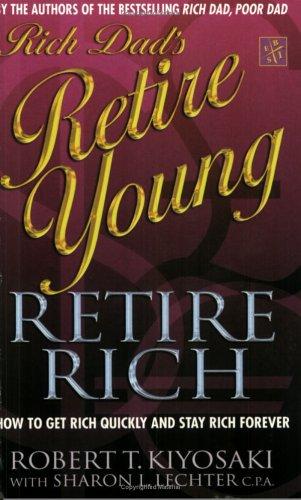
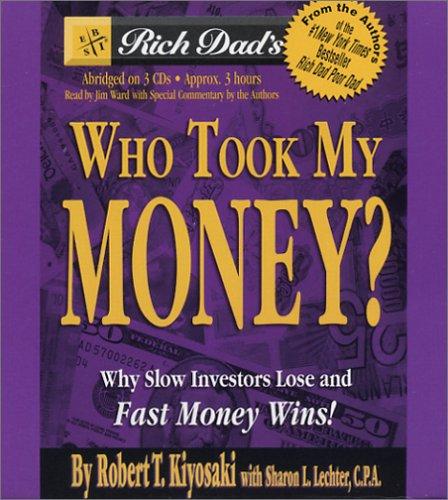
Personal finance literature was fundamentally reshaped in 1997 by a self-published guide that challenged traditional assumptions about employment, saving, and wealth accumulation through direct, practical advice. Robert Toru Kiyosaki reached millions of readers by introducing concepts of financial literacy, asset creation, and passive income that contrasted sharply with conventional career guidance.
Best known as the author of Rich Dad Poor Dad—frequently cited as the top personal finance book of all time—Robert Kiyosaki has challenged and changed the way tens of millions of people around the world think about money. He operates as an entrepreneur, educator, and investor who believes that individuals have the power to control their financial future and that the world needs more entrepreneurs who will create jobs.
Career & Background
Born on April 8, 1947, in Hilo, Hawaii, Kiyosaki attended the United States Merchant Marine Academy before serving as a helicopter gunship pilot in the military. He later transitioned into business as an entrepreneur, educator, and investor, founding the Rich Dad Company to deliver business and personal finance education through books, videos, board games, and seminars. Beyond authoring books, he has expanded his financial education media through coaching programs, courses, and hosting the Rich Dad Radio Show podcast, where he discusses global economics, banking, and wealth strategies.
Throughout his multi-decade career as an author and speaker, Kiyosaki has written more than two dozen books, including notable co-authored works with Donald Trump prior to his presidency. His publishing endeavors have achieved global reach, selling tens of millions of copies translated into 46 languages across North America, Europe, Asia, South America, Australia, and Africa. Three of his primary titles simultaneously occupied top best-seller lists across major publications including The Wall Street Journal, USA Today, and The New York Times.
Writing Style & Themes
Kiyosaki's writing style is characterized by straight talk, conversational delivery, and an irreverent critique of traditional financial advice. Rather than advocating standard practices such as relying solely on job security, mutual funds, or traditional savings accounts, his books emphasize building income-generating assets, understanding cash flow, and leveraging financial intelligence. He frequently uses contrast—most famously comparing the opposing perspectives of his real father and his mentor's father—to illustrate how mindsets dictate long-term financial outcomes.
Key themes across his work include the distinction between assets and liabilities, the importance of tax and business knowledge, and the necessity of calculated risk-taking. His instructional philosophy urges readers to take control of their financial destiny by stepping outside the traditional education system, which he argues fails to teach practical money management, and instead adopting an active entrepreneurial approach.
Major Works
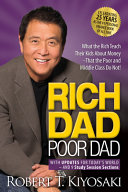
- Rich Dad Poor Dad — Published in 1997, this foundational book contrasts the financial mindsets of two father figures to teach core concepts of passive income, asset accumulation, and financial independence.
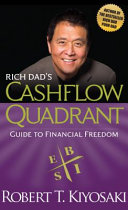
- Rich Dad's Cashflow Quadrant — This follow-up guide categorizes income generation into four distinct quadrants—Employees, Self-Employed, Business Owners, and Investors—explaining how to transition toward financial freedom.
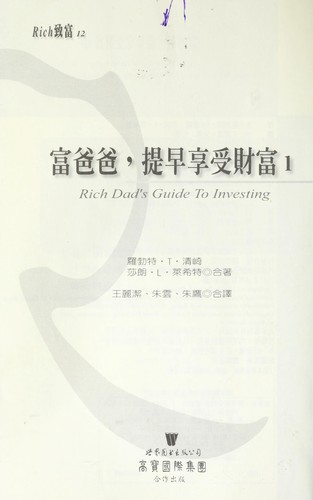
- Rich Dad's Guide to Investing: What the Rich Invest in That the Poor and Middle Class Do Not! — This work provides advanced perspectives on investment strategies, business structures, and the long-term mindset required to navigate complex financial markets.
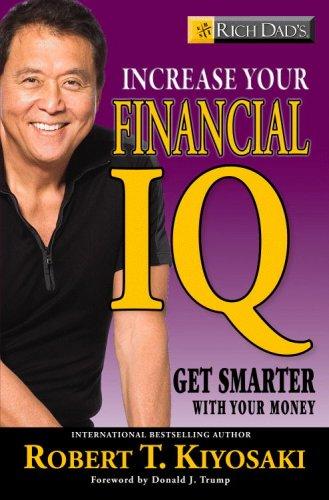
- Rich Dad's Increase Your Financial IQ: Get Smarter with Your Money — Focuses on practical financial management techniques, detailing five core principles for earning, protecting, budgeting, and leveraging money effectively.