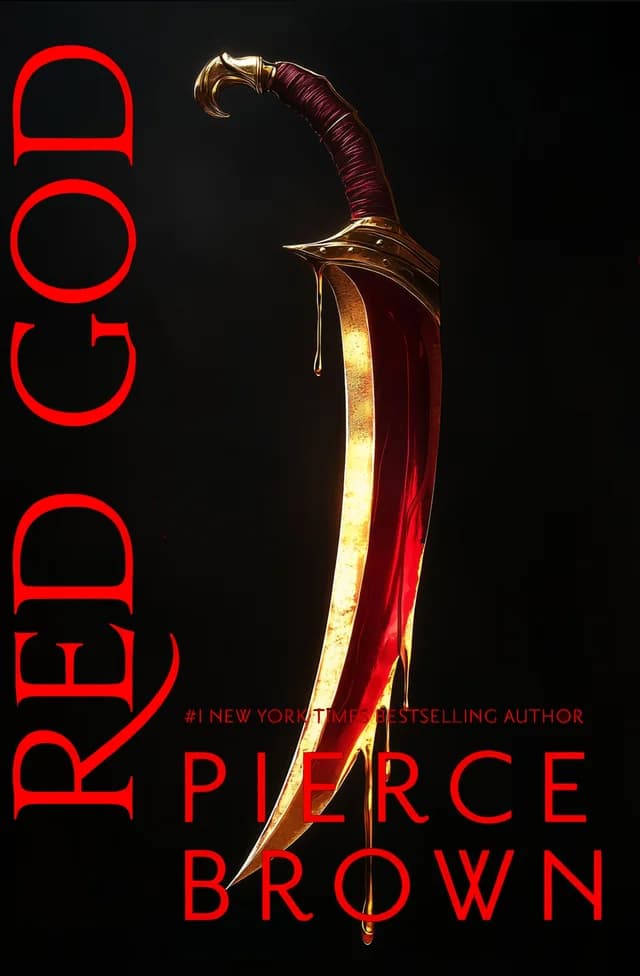
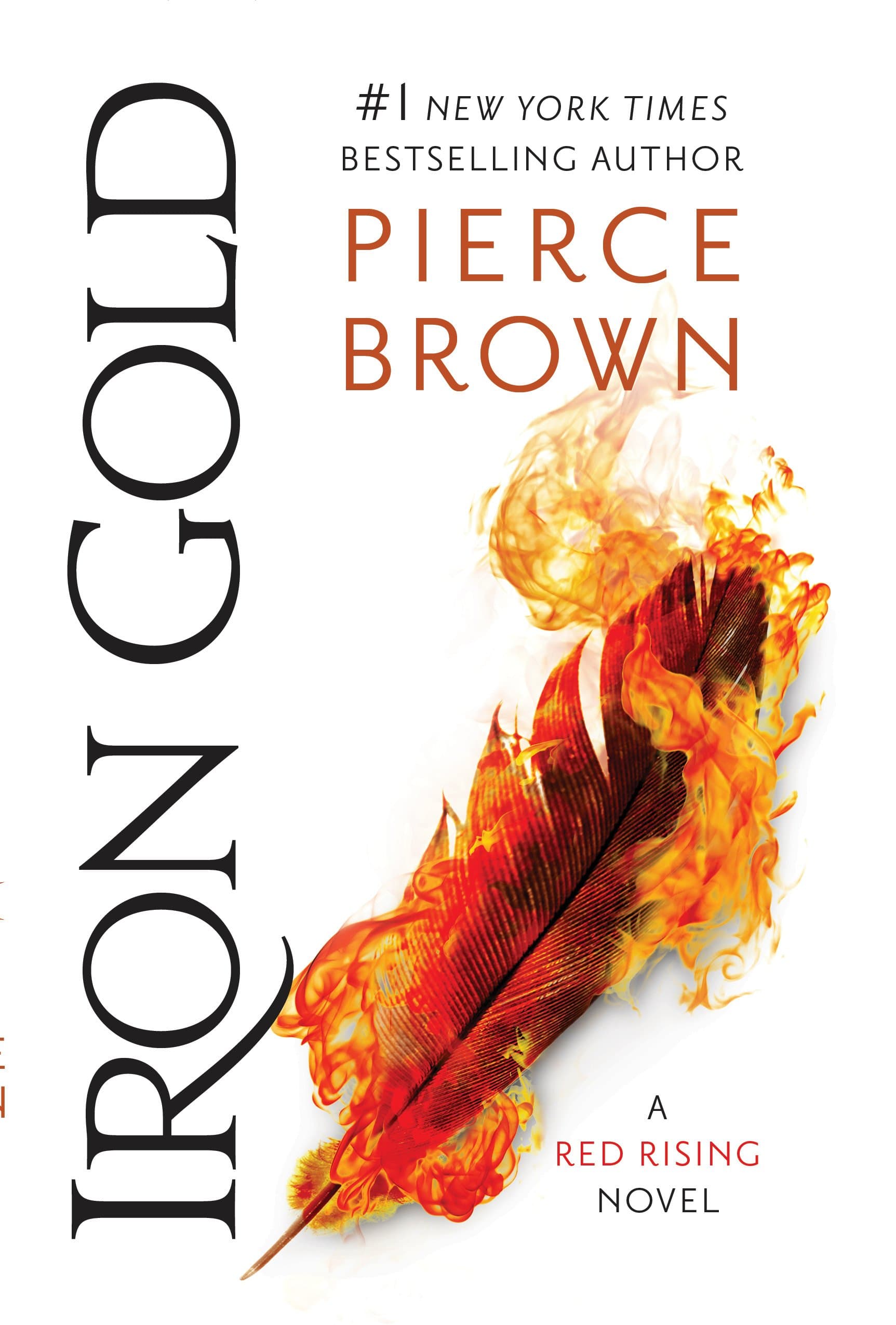
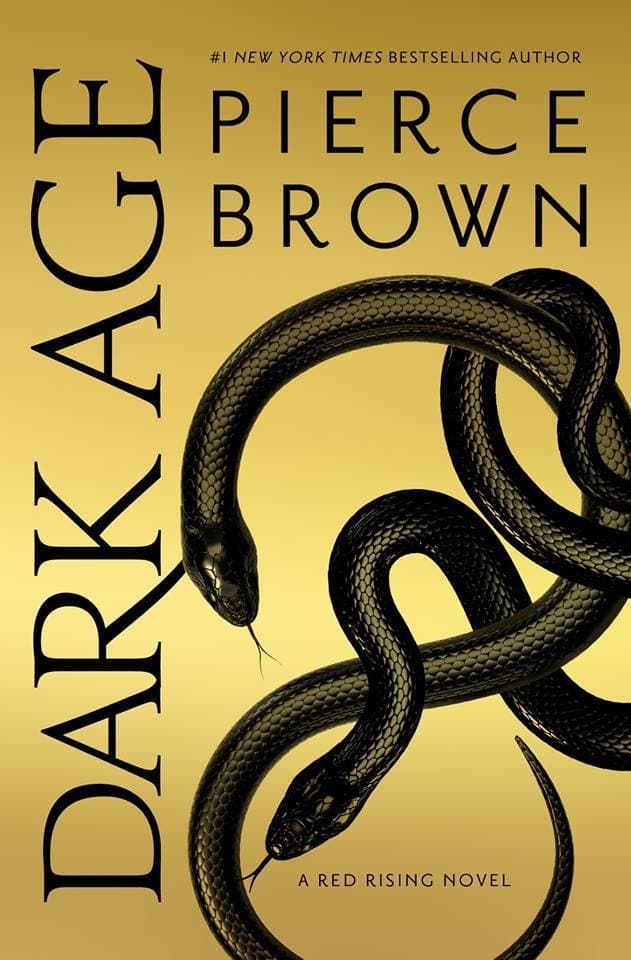
The solar system has become a landscape of industrial decay and ideological exhaustion. After a decade of total war, the "Rising"—the movement intended to shatter the Color-based caste system—teeters on the edge of collapse. The conflict has moved past the simple desire for revenge, evolving into a desperate struggle to define what follows the death of an empire. On the terraformed plains of Mars and within the high-tech strongholds of the Core, the remnants of the old world and the architects of the new are locked in a stalemate where every tactical victory carries a crippling human cost.
Darrow of Lykos, the central figure of the rebellion, finds himself grappling with the transformation of his own identity. To his followers, he is a messianic figure; to his enemies, he is the ultimate destroyer. As the war enters its final stage, the primary tension lies in whether a movement born from violence can ever truly transition to a state of peace. The narrative examines the mechanics of institutional change, stripping away the romanticism of revolution to reveal the cold, logistical reality of rebuilding a broken civilization while the machinery of war is still in motion.
The world-building in this final chapter focuses on the physical and social degradation of a solar system under siege. The meticulously crafted Color hierarchy, which dictates every biological and social function of humanity, is no longer a stable foundation but a source of systemic friction. The setting emphasizes the environmental strain on terraformed worlds like Mars, where resources are depleted and the atmosphere itself shows the scars of orbital bombardment. Technological marvels—from the razor’s edge to the planetary pulse shield—are presented not just as tools of power, but as assets that require a crumbling infrastructure to maintain. The rules of this world are dictated by "Total War," where the distinction between civilian and combatant has been eroded by years of orbital sieges.
Character dynamics are driven by the psychological toll of prolonged leadership. Darrow’s arc at the start of the book centers on his need to reconcile the "Reaper" persona—a weapon designed for destruction—with the requirements of a statesman. His relationships with the surviving members of the original Rising are defined by shared trauma and the heavy weight of legacy. There is a profound focus on the isolation of command; the protagonist must navigate the expectations of a populace that demands a "Red God" to save them, even as he realizes that the survival of the Republic depends on the people’s ability to lead themselves. The tension between his role as a father, a husband, and a general creates a grounded, human core within the sprawling space opera.
The narrative utilizes and then deconstructs the "Chosen One" and "Great Man" tropes of historical fiction. While the series began with a singular hero rising to change the world, the final act examines the limitations of individual will. It subverts the idea of a clean "Final Battle" by presenting the end of the war as a messy, logistical nightmare rather than a glorious climax. By leaning into the "Grimdark" elements of the genre, the story explores the "No-Win Scenario," where the protagonists are forced to utilize the same authoritarian tools they once sought to dismantle. This creates a moral entropy, forcing the characters to question if the "good" side can remain good while participating in the mechanics of planetary-scale warfare.
At its core, the conflict explores the philosophical price of institutional change. The "Red God" concept refers to the dangerous elevation of a revolutionary leader to the status of a deity, and the inherent corruption that follows such power. The stakes move beyond mere territorial control to the ethical survival of the human race. The primary dilemma is whether a society founded on a lie—the Color hierarchy—can be replaced by a democracy without the new system inheriting the same violent tendencies of its predecessor. Every tactical decision is layered with a moral tax, asking what remains of a person—or a people—once they have sacrificed everything for the sake of a future they may not live to see.
The solar system has become a landscape of industrial decay and ideological exhaustion. After a decade of total war, the "Rising"—the movement intended to shatter the Color-based caste system—teeters on the edge of collapse. The conflict has moved past the simple desire for revenge, evolving into a desperate struggle to define what follows the death of an empire. On the terraformed plains of Mars and within the high-tech strongholds of the Core, the remnants of the old world and the architects of the new are locked in a stalemate where every tactical victory carries a crippling human cost.
Darrow of Lykos, the central figure of the rebellion, finds himself grappling with the transformation of his own identity. To his followers, he is a messianic figure; to his enemies, he is the ultimate destroyer. As the war enters its final stage, the primary tension lies in whether a movement born from violence can ever truly transition to a state of peace. The narrative examines the mechanics of institutional change, stripping away the romanticism of revolution to reveal the cold, logistical reality of rebuilding a broken civilization while the machinery of war is still in motion.
The world-building in this final chapter focuses on the physical and social degradation of a solar system under siege. The meticulously crafted Color hierarchy, which dictates every biological and social function of humanity, is no longer a stable foundation but a source of systemic friction. The setting emphasizes the environmental strain on terraformed worlds like Mars, where resources are depleted and the atmosphere itself shows the scars of orbital bombardment. Technological marvels—from the razor’s edge to the planetary pulse shield—are presented not just as tools of power, but as assets that require a crumbling infrastructure to maintain. The rules of this world are dictated by "Total War," where the distinction between civilian and combatant has been eroded by years of orbital sieges.
Character dynamics are driven by the psychological toll of prolonged leadership. Darrow’s arc at the start of the book centers on his need to reconcile the "Reaper" persona—a weapon designed for destruction—with the requirements of a statesman. His relationships with the surviving members of the original Rising are defined by shared trauma and the heavy weight of legacy. There is a profound focus on the isolation of command; the protagonist must navigate the expectations of a populace that demands a "Red God" to save them, even as he realizes that the survival of the Republic depends on the people’s ability to lead themselves. The tension between his role as a father, a husband, and a general creates a grounded, human core within the sprawling space opera.
The narrative utilizes and then deconstructs the "Chosen One" and "Great Man" tropes of historical fiction. While the series began with a singular hero rising to change the world, the final act examines the limitations of individual will. It subverts the idea of a clean "Final Battle" by presenting the end of the war as a messy, logistical nightmare rather than a glorious climax. By leaning into the "Grimdark" elements of the genre, the story explores the "No-Win Scenario," where the protagonists are forced to utilize the same authoritarian tools they once sought to dismantle. This creates a moral entropy, forcing the characters to question if the "good" side can remain good while participating in the mechanics of planetary-scale warfare.
At its core, the conflict explores the philosophical price of institutional change. The "Red God" concept refers to the dangerous elevation of a revolutionary leader to the status of a deity, and the inherent corruption that follows such power. The stakes move beyond mere territorial control to the ethical survival of the human race. The primary dilemma is whether a society founded on a lie—the Color hierarchy—can be replaced by a democracy without the new system inheriting the same violent tendencies of its predecessor. Every tactical decision is layered with a moral tax, asking what remains of a person—or a people—once they have sacrificed everything for the sake of a future they may not live to see.
Add to your library to track progress and write reviews
7 books in catalog
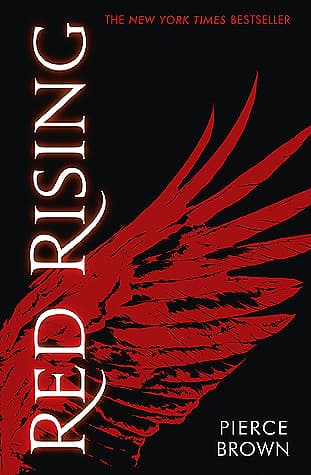
Reimagining futuristic society through the lens of classical antiquity and brutal class warfare, the dystopian science fiction saga Red Rising Saga presents a color-coded caste system where low-caste miners labor under the illusion of a better future. American novelist and screenwriter Pierce Brown, whose full name is Pierce Elliott Brown, established this expansive solar system setting in his 2014 debut novel Red Rising. The narrative follows Darrow, a low-caste Helix miner who undergoes radical alteration to infiltrate the ruling Gold class and dismantle a tyrannical empire from within. Translated into over thirty languages, the series combines military strategy, political intrigue, and visceral action to examine the moral compromises required to overthrow an oppressive regime.
By grounding sweeping space opera mechanics in historical precedents from ancient Greece and Rome, Pierce Brown offers a rigorous examination of power dynamics, revolutionary sacrifice, and systemic collapse. Rather than treating technology as the primary driver of drama, his books prioritize the human motivations behind ideological conflict and the cyclical nature of authoritarian rule. The overarching narrative spans two distinct story arcs: an initial trilogy detailing the spark of interstellar rebellion and a subsequent sequel series addressing the messy, perilous realities of building a functioning democracy in the aftermath of war.
Born in Denver, Colorado, on January 28, 1988, Pierce Brown experienced a nomadic childhood that saw his family relocate across eight different states. This frequent movement sparked an early appreciation for narrative as a tool for connecting with new surroundings, a creative inclination further shaped by listening to his grandfather tell passionate, exaggerated stories on the patio. He later attended Pepperdine University, graduating in 2010 with a Bachelor of Arts in political science and economics. During his collegiate years and immediate post-graduation period, Brown wrote six distinct book manuscripts between the ages of 18 and 22, enduring more than 100 rejections from literary agents before securing publication.
To support his writing efforts, Pierce Brown worked from a converted garage while balancing a series of entry-level positions across political and media organizations. He served as an aide on a U.S. Senate campaign, worked as an NBC page, and managed social media strategy for a tech startup. These varied professional roles in institutional environments provided him with first-hand insight into organizational hierarchies, political manipulation, and bureaucratic power struggles. This practical exposure directly informed the legal structures, societal mechanics, and institutional dynamics that characterize his fictional universe. Following the breakthrough publication of Red Rising in 2014, he expanded his literary scope by writing the six-issue prequel comic book series Red Rising: Sons of Ares in 2015, which explores the origin of the underground resistance movement.
The literary style of Pierce Brown is distinguished by its fast-paced, first-person present-tense point of view, immersing readers directly into the immediate physical danger and psychological strain experienced by his characters. Drawing heavily on classical Roman history, Greek mythology, and military strategy, his world-building constructs a rigid, color-coded hierarchy where society is stratified into specialized functional castes ranging from manual labor Reds to ruling Gold elites. His narratives adopt a dark, high-stakes tone that scrutinizes the grim logistics of warfare, the corrupting influence of absolute power, and the ethical burdens carried by political leaders.
Central to the work of Pierce Brown is the persistent conflict between justice and vengeance, alongside the ongoing challenge of retaining personal integrity within coercive systems. His stories move beyond the triumph of overthrowing a dictator to interrogate the chaotic aftermath of revolution, showing how noble intentions can yield unforeseen destruction, civil fragmentation, and lingering trauma. By highlighting the structural friction between competing political factions, his books explore whether lasting social reform can be achieved through violence or if revolutionary movements inevitably replicate the authoritarian structures they set out to destroy.
7 books in catalog
Reimagining futuristic society through the lens of classical antiquity and brutal class warfare, the dystopian science fiction saga Red Rising Saga presents a color-coded caste system where low-caste miners labor under the illusion of a better future. American novelist and screenwriter Pierce Brown, whose full name is Pierce Elliott Brown, established this expansive solar system setting in his 2014 debut novel Red Rising. The narrative follows Darrow, a low-caste Helix miner who undergoes radical alteration to infiltrate the ruling Gold class and dismantle a tyrannical empire from within. Translated into over thirty languages, the series combines military strategy, political intrigue, and visceral action to examine the moral compromises required to overthrow an oppressive regime.
By grounding sweeping space opera mechanics in historical precedents from ancient Greece and Rome, Pierce Brown offers a rigorous examination of power dynamics, revolutionary sacrifice, and systemic collapse. Rather than treating technology as the primary driver of drama, his books prioritize the human motivations behind ideological conflict and the cyclical nature of authoritarian rule. The overarching narrative spans two distinct story arcs: an initial trilogy detailing the spark of interstellar rebellion and a subsequent sequel series addressing the messy, perilous realities of building a functioning democracy in the aftermath of war.
Born in Denver, Colorado, on January 28, 1988, Pierce Brown experienced a nomadic childhood that saw his family relocate across eight different states. This frequent movement sparked an early appreciation for narrative as a tool for connecting with new surroundings, a creative inclination further shaped by listening to his grandfather tell passionate, exaggerated stories on the patio. He later attended Pepperdine University, graduating in 2010 with a Bachelor of Arts in political science and economics. During his collegiate years and immediate post-graduation period, Brown wrote six distinct book manuscripts between the ages of 18 and 22, enduring more than 100 rejections from literary agents before securing publication.
To support his writing efforts, Pierce Brown worked from a converted garage while balancing a series of entry-level positions across political and media organizations. He served as an aide on a U.S. Senate campaign, worked as an NBC page, and managed social media strategy for a tech startup. These varied professional roles in institutional environments provided him with first-hand insight into organizational hierarchies, political manipulation, and bureaucratic power struggles. This practical exposure directly informed the legal structures, societal mechanics, and institutional dynamics that characterize his fictional universe. Following the breakthrough publication of Red Rising in 2014, he expanded his literary scope by writing the six-issue prequel comic book series Red Rising: Sons of Ares in 2015, which explores the origin of the underground resistance movement.
The literary style of Pierce Brown is distinguished by its fast-paced, first-person present-tense point of view, immersing readers directly into the immediate physical danger and psychological strain experienced by his characters. Drawing heavily on classical Roman history, Greek mythology, and military strategy, his world-building constructs a rigid, color-coded hierarchy where society is stratified into specialized functional castes ranging from manual labor Reds to ruling Gold elites. His narratives adopt a dark, high-stakes tone that scrutinizes the grim logistics of warfare, the corrupting influence of absolute power, and the ethical burdens carried by political leaders.
Central to the work of Pierce Brown is the persistent conflict between justice and vengeance, alongside the ongoing challenge of retaining personal integrity within coercive systems. His stories move beyond the triumph of overthrowing a dictator to interrogate the chaotic aftermath of revolution, showing how noble intentions can yield unforeseen destruction, civil fragmentation, and lingering trauma. By highlighting the structural friction between competing political factions, his books explore whether lasting social reform can be achieved through violence or if revolutionary movements inevitably replicate the authoritarian structures they set out to destroy.
Red Rising Saga
Red Rising Saga