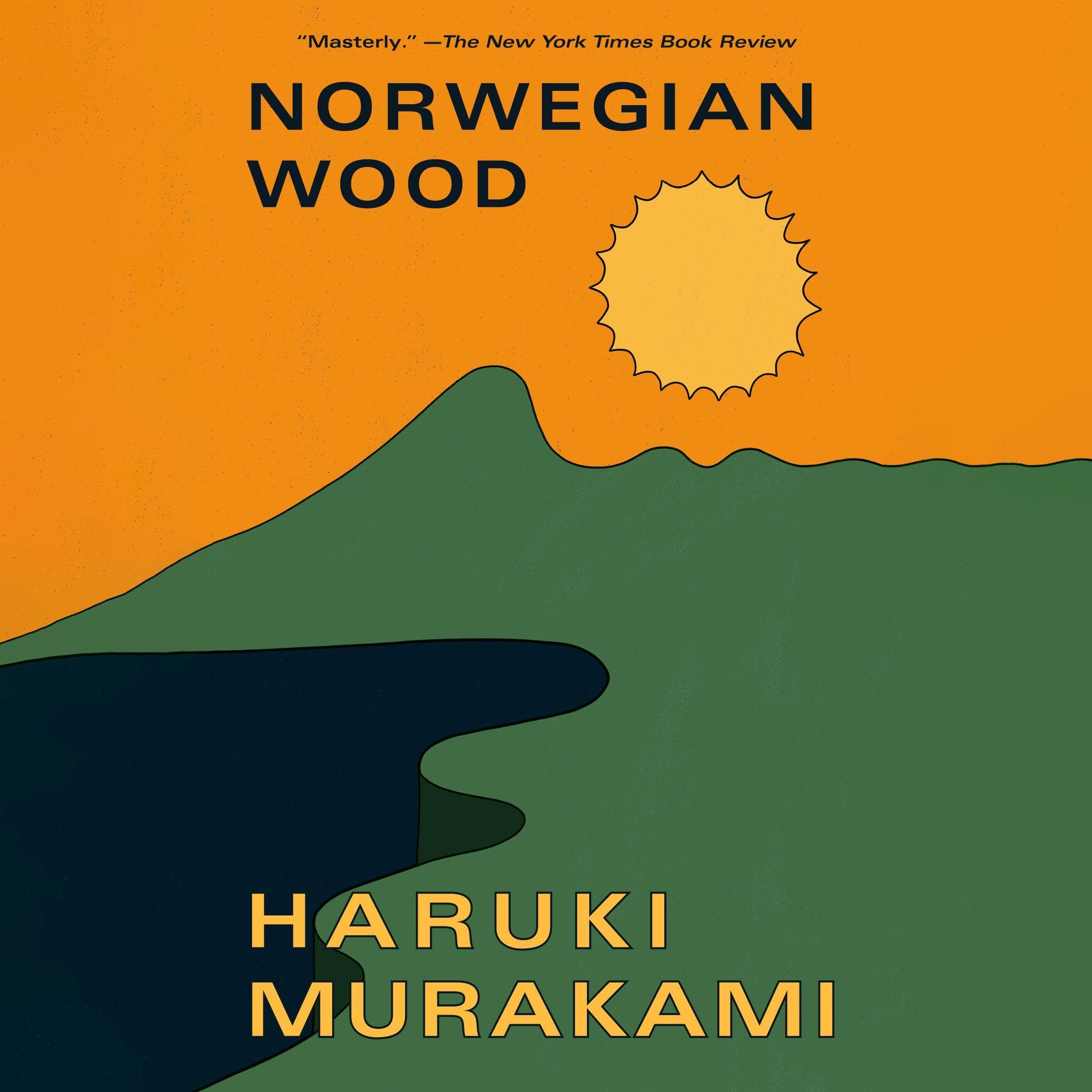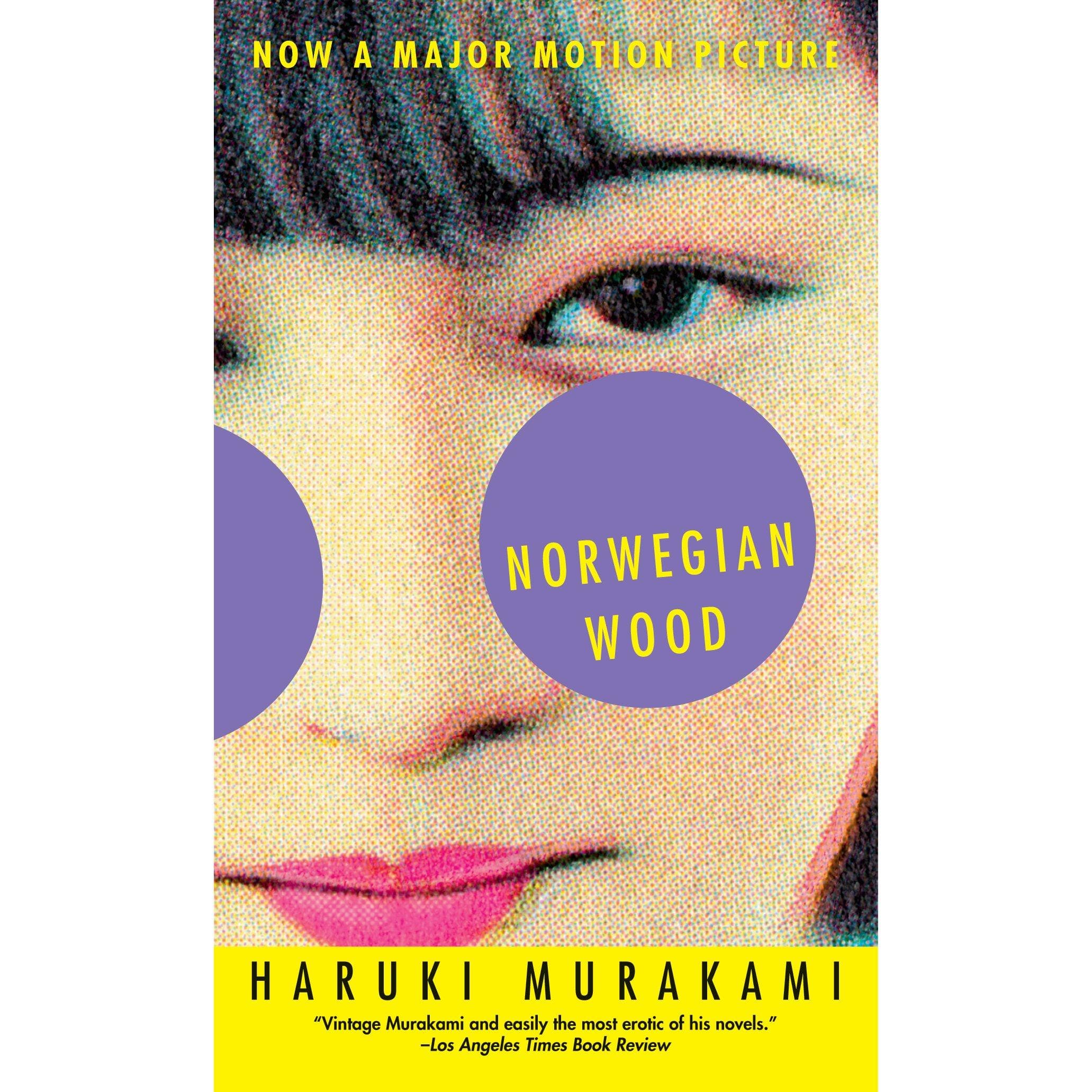
Toru, a quiet and preternaturally serious young college student in Tokyo, is devoted to Naoko, a beautiful and introspective young woman, but their mutual passion is marked by the tragic death of their best friend years before. Toru begins to adapt to campus life and the loneliness and isolation he faces there, but Naoko finds the pressures and responsibilities of life unbearable. As she retreats further into her own world, Toru finds himself reaching out to others and drawn to a fiercely independent and sexually liberated young woman.
A magnificent blending of the music, the mood, and the ethos that was the sixties with the story of one college student's romantic coming of age, Norwegian Wood brilliantly recaptures a young man's first, hopeless, and heroic love.
Add to your library to track progress and write reviews
Find Norwegian Wood Haruki Murakami in PDF, EPUB, ebook, audiobook, print, or library editions.

8 books in catalog
Blending ordinary everyday settings with surreal dreamscapes and magical realism, modern Japanese fiction frequently explores themes of alienation, memory, and longing. Haruki Murakami, a Japanese writer and translator born on January 12, 1949, gained widespread recognition with his realistic 1987 novel Norwegian Wood, alongside intricate surreal narratives such as The Wind-Up Bird Chronicle and Kafka on the Shore.
Born in Kyoto and raised in Kobe, Murakami attended Waseda University in Tokyo. Before pursuing writing full-time, he and his wife operated a small jazz club in Tokyo for seven years. In April 1978, while watching a baseball game at Jingu Stadium, Murakami experienced an epiphany that he could write a novel. He went home that evening and began writing his debut novel, Hear the Wind Sing, which won the Gunzo Prize for New Writers.
Following the massive success of Norwegian Wood, Murakami lived in Europe and the United States, spending time as a visiting scholar and writer-in-residence before returning to Japan. Over his career, he has translated numerous English-language literary works into Japanese. His writings have been translated into 50 languages and sold millions of copies worldwide, receiving international accolades including the World Fantasy Award, the Frank O'Connor International Short Story Award, the Franz Kafka Prize, the Jerusalem Prize, and the Tanizaki Prize.
Murakami's writing style operates in a liminal space between detailed realism, modern fable, detective mystery, and speculative fiction. His narrative approach often begins with mundane domestic routines—such as cooking, listening to jazz records, or searching for a missing cat—before quietly mutating into subterranean realms or parallel realities. His creative process relies on intuitive discovery rather than pre-planned outlines, allowing strange occurrences to unfold naturally within his storytelling.
Recurring motifs across his prose include feline companions, deep wells, mysterious phone calls, and isolated protagonists processing grief or emotional detachment. Through his non-fiction work, including Novelist as a Vocation, Murakami also shares insights into his disciplined creative habits and reflections on the craft of writing fiction.