§Synopsis
01In the stifling heat of 1932 Louisiana, the "Green Mile" at Cold Mountain Penitentiary represents the final, somber walk for those condemned to "Old Sparky." For E Block supervisor Paul Edgecombe, the arrival of the massive, enigmatic John Coffey has upended the clinical routine of state-sanctioned executions. As Paul witnesses inexplicable manifestations of what appears to be a supernatural grace within Coffey—a man accused of a horrific crime but possessing a soul that seems fundamentally at odds with violence—the moral landscape of the prison shifts from a place of mere punishment to a site of impossible choices.
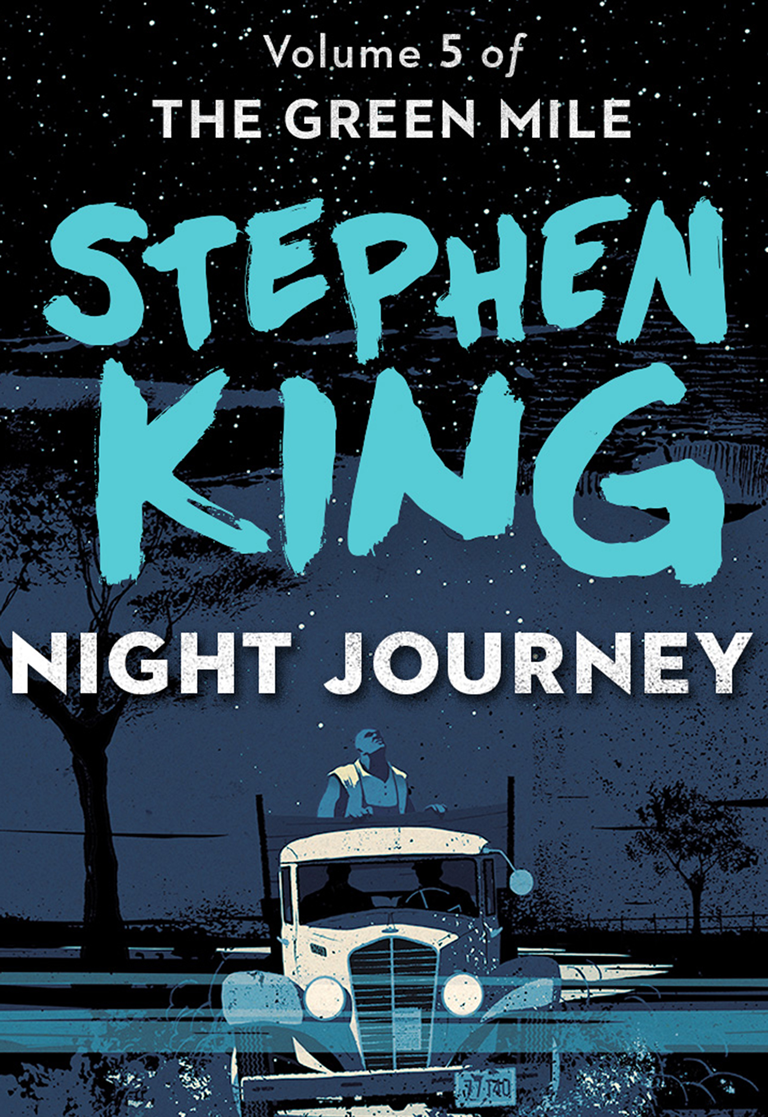
Night Journey serves as the pivotal moment where Paul’s internal crisis of faith becomes an external act of rebellion. Faced with the aggressive brain tumor destroying Melinda Moores, the wife of the prison warden, Paul is forced to reconcile his duty to the law with his growing belief in Coffey’s innocence and his miraculous capabilities. This installment focuses on the mechanical and ethical logistics of a high-stakes conspiracy, as a group of lawmen prepare to smuggle a condemned man out of prison in the dead of night, risking their livelihoods and their freedom in a desperate gamble for a miracle.
The Grinding Reality of the Depression-Era South
King constructs a world defined by the dual pressures of the Great Depression and the rigid hierarchy of the American South. The setting of Cold Mountain Penitentiary is not merely a backdrop but a character in itself, embodying the "Waste Land" trope where institutional rot meets human desperation. The rules of this world are governed by the "Green Mile"—the linoleum floor leading to death—and the strict social codes of 1932. King utilizes the crushing economic atmosphere to heighten the stakes; for Paul and his fellow guards, losing their jobs is a death sentence of a different kind. This grounded, gritty realism provides a sharp contrast to the supernatural elements, making the "mechanistic miracles" Paul witnesses feel both terrifying and profound.
Moral Complicity and the Burden of Authority
The character development in this segment of the story focuses on the collective psyche of the E Block guards. Paul Edgecombe is established not as a hero, but as a pragmatist who is slowly being unmade by his own empathy. His leadership is tested as he convinces his colleagues—Brutus "Brutal" Howell, Harry Terwilliger, and Dean Stanton—to join a conspiracy that violates every professional and legal boundary. The dynamic shifts from one of warden and prisoner to a complex, clandestine partnership. Paul’s arc is defined by the heavy burden of "knowing": once he recognizes the power Coffey holds, he can no longer hide behind the mask of "just doing his job."
Subverting the Monster and the Institutional Villain
The narrative heavily utilizes and subverts the "Gentle Giant" and "Humanity is the Real Monster" tropes. John Coffey is physically intimidating, fitting the era’s prejudiced archetype of a dangerous criminal, yet King imbues him with a sensitive, almost overwhelming empathy that suggests he is a conduit for forces he doesn't fully understand. Conversely, the true antagonism is found in the bureaucratic cruelty of the system and the petty malice of characters like Percy Wetmore. By focusing on the logistical "Night Journey" to the Warden’s house, King explores the trope of the "Heist" or "The Great Escape," but flips the motivation; the goal is not freedom for the prisoner, but a chance to use the prisoner's perceived "curse" as a blessing for another.
The Ethics of the Impossible
At the heart of this volume is a profound moral dilemma: does the potential to do good justify a profound breach of law and order? The stakes are presented through the lens of terminal illness and the failure of 1930s medicine. Paul’s decision to spirit Coffey away is treated with the gravity of a military operation, emphasizing the physical and spiritual exhaustion of men trying to do right in a world that seems designed to facilitate suffering. The narrative focuses on the tension of the journey itself—the mountain roads, the cocked pistols of a wary Warden, and the silent, weeping presence of a man who carries the world’s pain in his very bones.
Track this book
Add to your library to track progress and write reviews