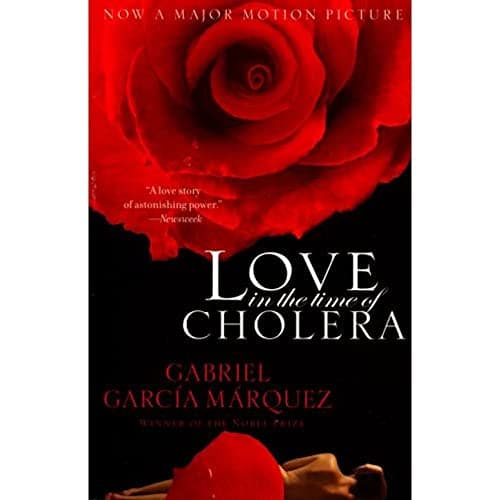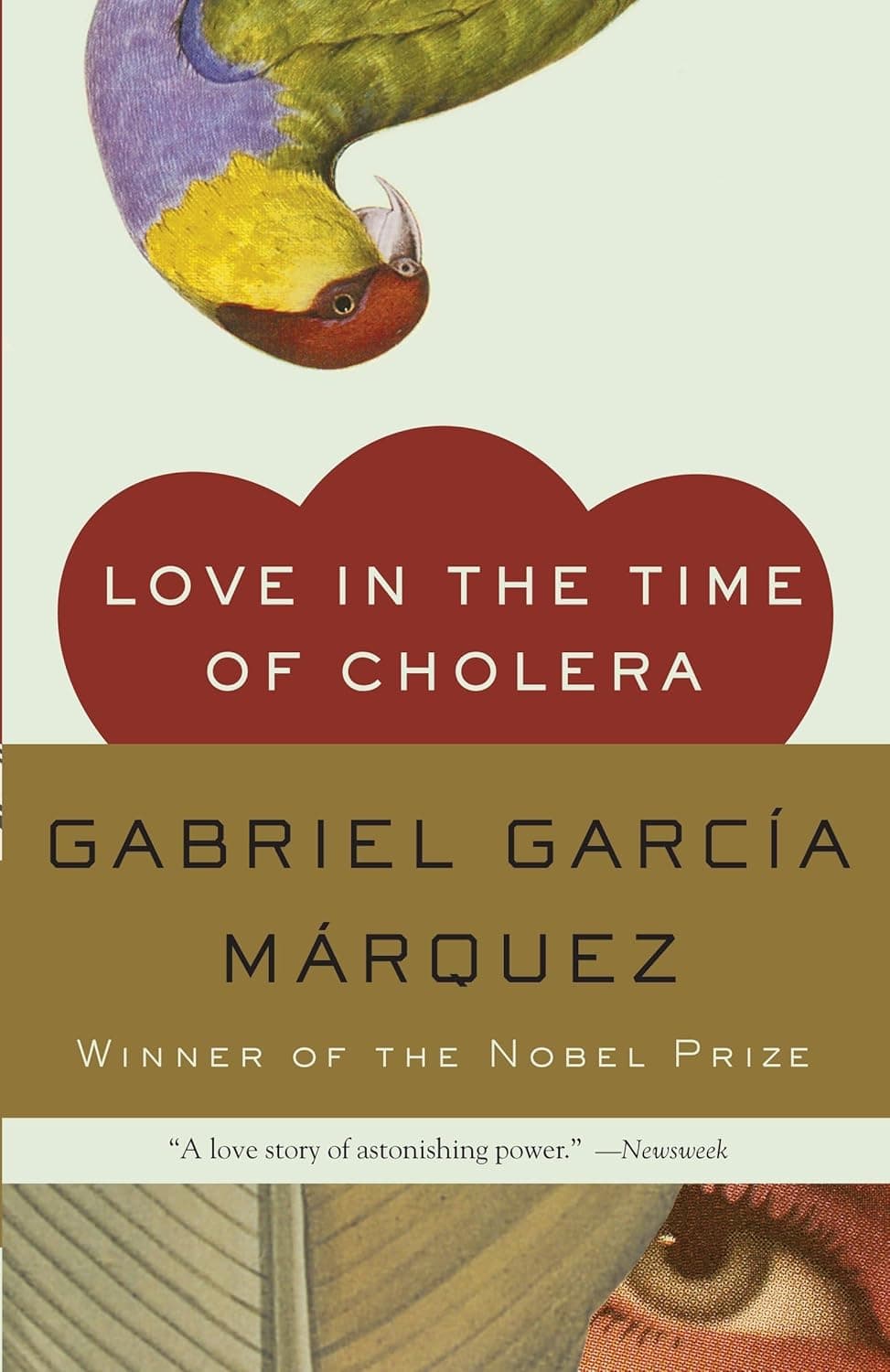
De jóvenes, Florentino Ariza y Fermina Daza se enamoran apasionadamente, pero Fermina eventualmente decide casarse con un médico rico y de muy buena familia. Florentino está anonadado, pero es un romántico. Su carrera en los negocios florece, y aunque sostiene 622 pequeños romances, su corazón todavía pertenece a Fermina. Cuando al fin el esposo de ella muere, Florentino acude al funeral con toda intención. A los cincuenta años, nueve meses y cuatro días de haberle profesado amor a Fermina, lo hará una vez más. Con sagacidad humorística y depurado estilo, García Márquez traza la historia excepcional de un amor que no ha sido correspondido por medio siglo. Aunque nunca parece estar propiamente contenido, el amor fluye a través de la novela de mil maneras –alegre, melancólico, enriquecedor, siempre sorprendente-.
Add to your library to track progress and write reviews
Find Love in the Time of Cholera Gabriel García Márquez in PDF, EPUB, ebook, audiobook, print, or library editions.

5 books in catalog
The fusion of everyday domestic reality with mythic elements in modern fiction reached a global audience through the landmark novel One Hundred Years of Solitude, published in 1967. Colombian journalist and author Gabriel García Márquez, affectionately known throughout Latin America as Gabo, crafted the narrative around the fictional village of Macondo, blending historical commentary with surreal events.
Beyond his most famous work, his fiction includes acclaimed novels such as Love in the Time of Cholera, published in 1985, alongside novellas like No One Writes to the Colonel, The Autumn Of The Patriarch, and Chronicle of a Death Foretold.
Born in Aracataca, Colombia, Gabriel García Márquez pursued a self-directed education and eventually left law school to launch a career in journalism. As a reporter and columnist, he demonstrated no inhibitions in his criticism of Colombian and foreign politics. In 1958, he married Mercedes Barcha, with whom he had two sons, Rodrigo and Gonzalo. His extensive journalistic foundation informed his short fiction, non-fiction books, screenplays, and celebrated novels, culminating in his receipt of the Nobel Prize in Literature in 1982.
A central hallmark of his writing style is magical realism, an approach that incorporates supernatural or extraordinary elements into otherwise grounded and realistic settings as if they were entirely ordinary. Across his stories and novels, the theme of solitude recurs consistently, exploring the emotional and political isolation of individuals, rulers, and entire communities. Many of his narratives draw upon the atmosphere of his Colombian upbringing, transforming local history and family lore into universal mythologies.