§Synopsis
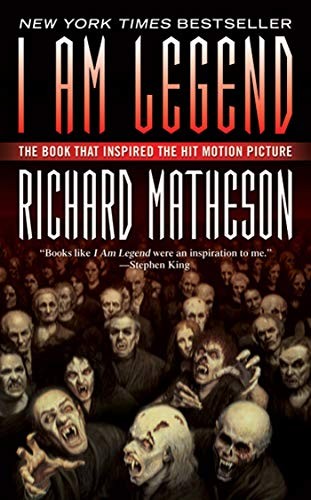
01Neville is essentially the last man on earth, and the loneliness of his situation is the central part of the story. Matheson is able to communicate Neville's emotional feelings vividly, making him very real. We gradually acquire the story of the deaths of Neville's wife and daughter, essentially experiencing the pain he goes through when these memories overcome him. We watch him drink himself into a stupor as each night finds him besieged in his fortified house, surrounded by vampires, including his old friend and neighbor, calling for him to come out. We watch him slowly lose his grip on sanity and come very close to giving up.
§Our take
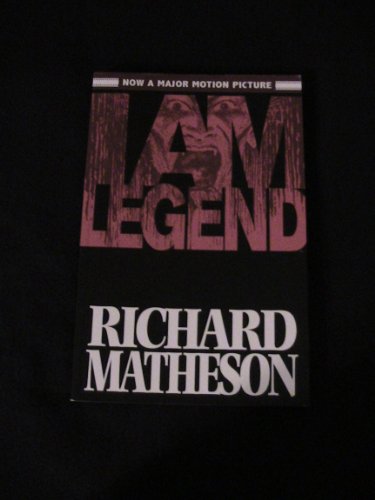
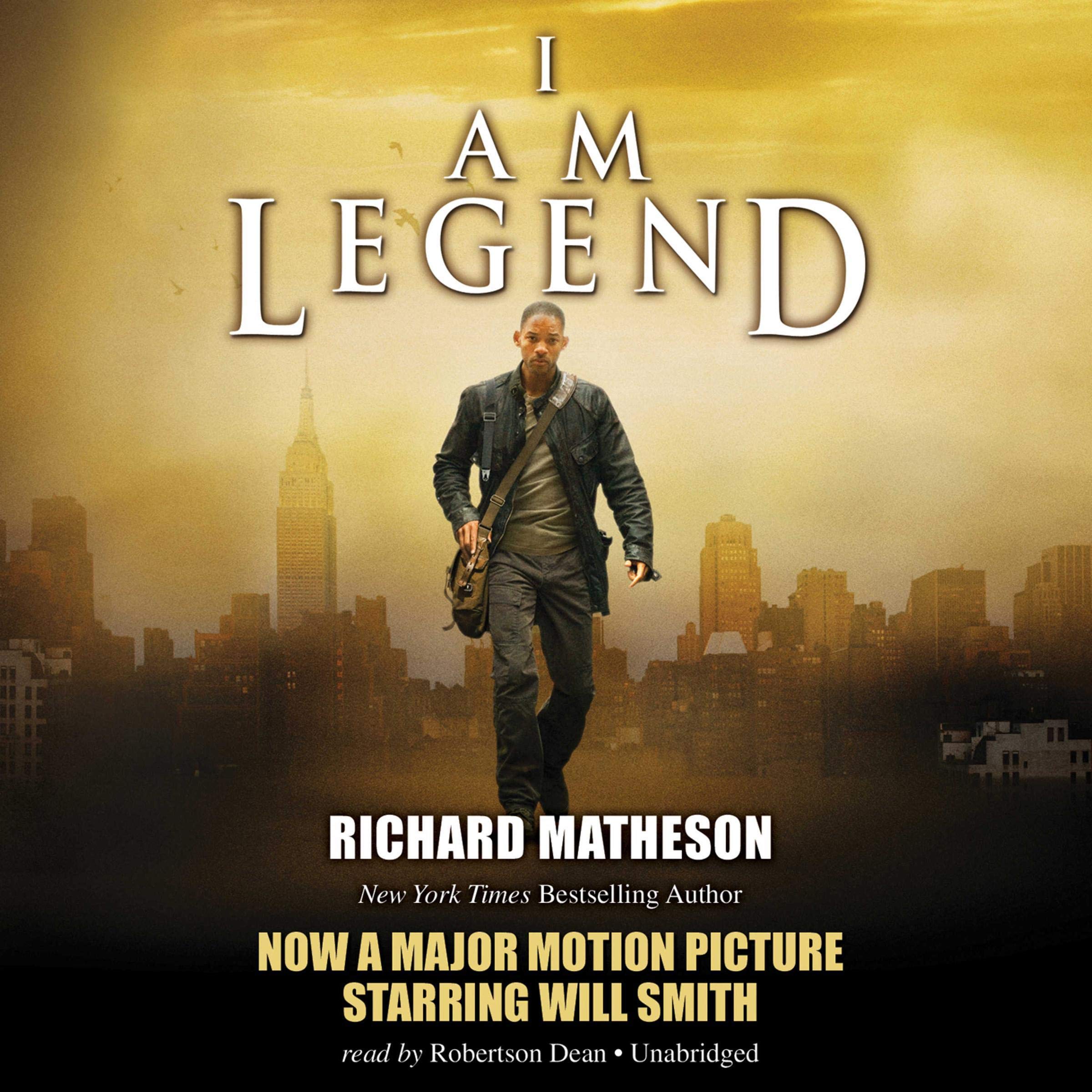
Richard Matheson's 1954 novel is at its best as a pressure chamber: one isolated man repeats the same grim rituals until the reader feels the numbness he hides behind grief and alcohol. Matheson turns vampires into a bacterial infection, and Neville's microscope, garlic tests and improvised rules make the danger feel stubbornly rational, even when his science looks dated now. The fusion of infection research, grief and procedural routine is why the book still lands.
Its weakness is equally honest: the repetitive opening can test patience, and some readers will find the research thin by current standards. Don't judge it by the 2007 film, which keeps the premise but discards the ending that gives the title its meaning.
§Themes
- Survival as routine
- Boarding up, hunting, drinking and repairing become a cycle that makes Neville's isolation feel like a state of mind.
- Fear without folklore
- A bacterium, a microscope and improvised tests replace the supernatural rules of conventional vampire stories.
- Grief with teeth
- Memories of his dead wife and daughter pull Neville toward despair even after another night of survival.
- No clean monsters
- Neville survives by killing the infected, leaving him with a moral burden that never feels simple.
§How it was received
At publication, response was mixed: criticism landed on flat characters and weak science, while the hard-boiled style drew praise. Modern readers and critics treat the novel as a cornerstone of horror and science fiction, often praising its study of loneliness and monstrosity. The Horror Writers Association gave it a one-time Vampire Novel of the Century Award in 2012, voted on by a jury chaired by Dracula scholar Leslie S. Klinger.
§Read it if
- You want a short apocalypse story where repetitive routine and loneliness are the real horror
- You like hard-boiled prose and an amateur scientist testing the rules of an infection
- You want a lone-survivor story whose moral center shifts as the book goes on
§Skip it if
- You need laboratory-grade science. Neville's improvised research feels dated by current standards.
- You dislike deliberate repetition. The first stretch can feel slow by design.
§Before you start
- Reading experience
- At about 160 pages in its original paperback edition, it moves quickly through chapter-ending hooks, though the repetitive opening can feel slow and the improvised science may look dated.
- Reading order
- Standalone novel. No earlier book is needed; The Last Man on Earth (1964), The Omega Man (1971) and the 2007 Will Smith adaptation are films, not sequels.
- Content notes
- Heavy drinking and alcoholism; Grief, depression and extended isolation after the deaths of Neville's wife and daughter; Violence, including Neville staking and burning infected people, some of whom he knew.
§Common questions
- Is the novel part of a series?
- No. It's a standalone novel, and the three film adaptations aren't sequels.
- How is the book different from the 2007 film?
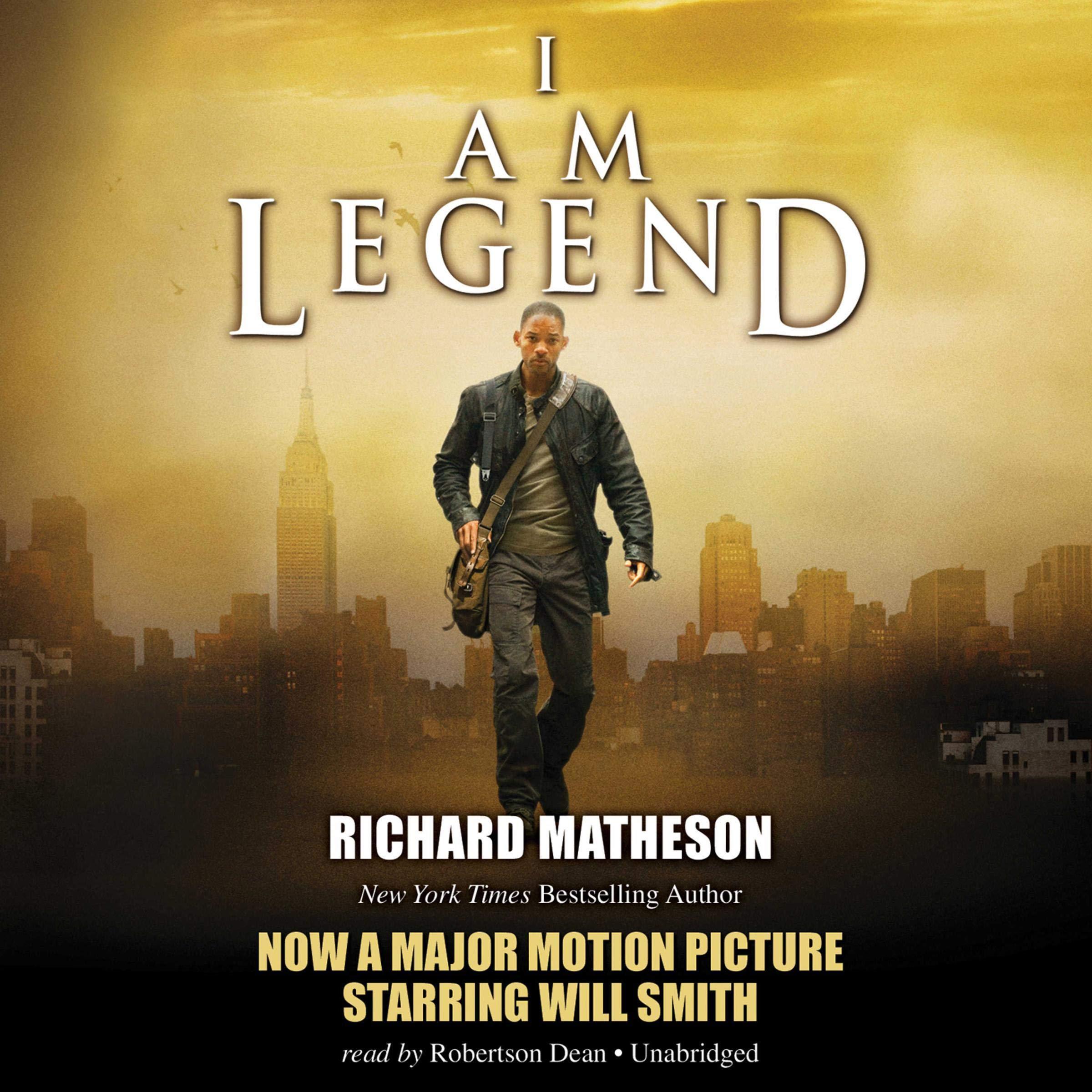
- The film moves the story to New York and turns Neville into a would-be savior. The novel keeps him isolated and ends differently.
- Are the vampires supernatural?
- No. Matheson treats them as people infected by a bacterium, and Neville investigates sunlight, garlic, crosses and mirrors.
§If you liked this
- 'Salem's Lot by Stephen King — Stephen King cites Matheson as an influence, and the novel was also a nominee for the same one-time vampire award.
- The Last Man by Mary Shelley — Mary Shelley's much earlier last-survivor novel, for readers who want the same isolation at the end of the world.
- Station Eleven by Emily St. John Mandel — A post-pandemic novel with a far more hopeful outlook, offering a gentler companion to Neville's ordeal.
- The Road by Cormac McCarthy — A bleak, spare survival story built on loneliness and grief, making it a close companion without the vampire premise.
- Interview with the Vampire by Anne Rice — Another nominee for the same vampire award, but it gives vampires sympathetic lives rather than treating vampirism as disease.
Track this book
Add to your library to track progress and write reviews