SSansFiction
The libraryCollectionsJournalStatsFor authors
Sign inJoin now
Sansfiction,

A digital library for books. Made by readers, for readers.

v 2.0 · 2026
The library
  • Discover
  • Collections
  • Book tracker
  • Journal
  • Stats
For authors
  • SF Links
  • Analytics
  • How it works
  • FAQ
Elsewhere
  • X / @sansfiction
  • Privacy
  • Terms
  • Contact
© 2026 SansFiction · Digital · GlobalA quiet room for your reading life.
The libraryCollectionsJournalStatsFor authors
Sign inJoin now →
Navigation
Library
Bookshelf
Journal
Discover
Collections
Tierlists
Stats
Profile
Author Page
Link Builder
Account
Sign in
S
G
BooksadventureI Am Legend
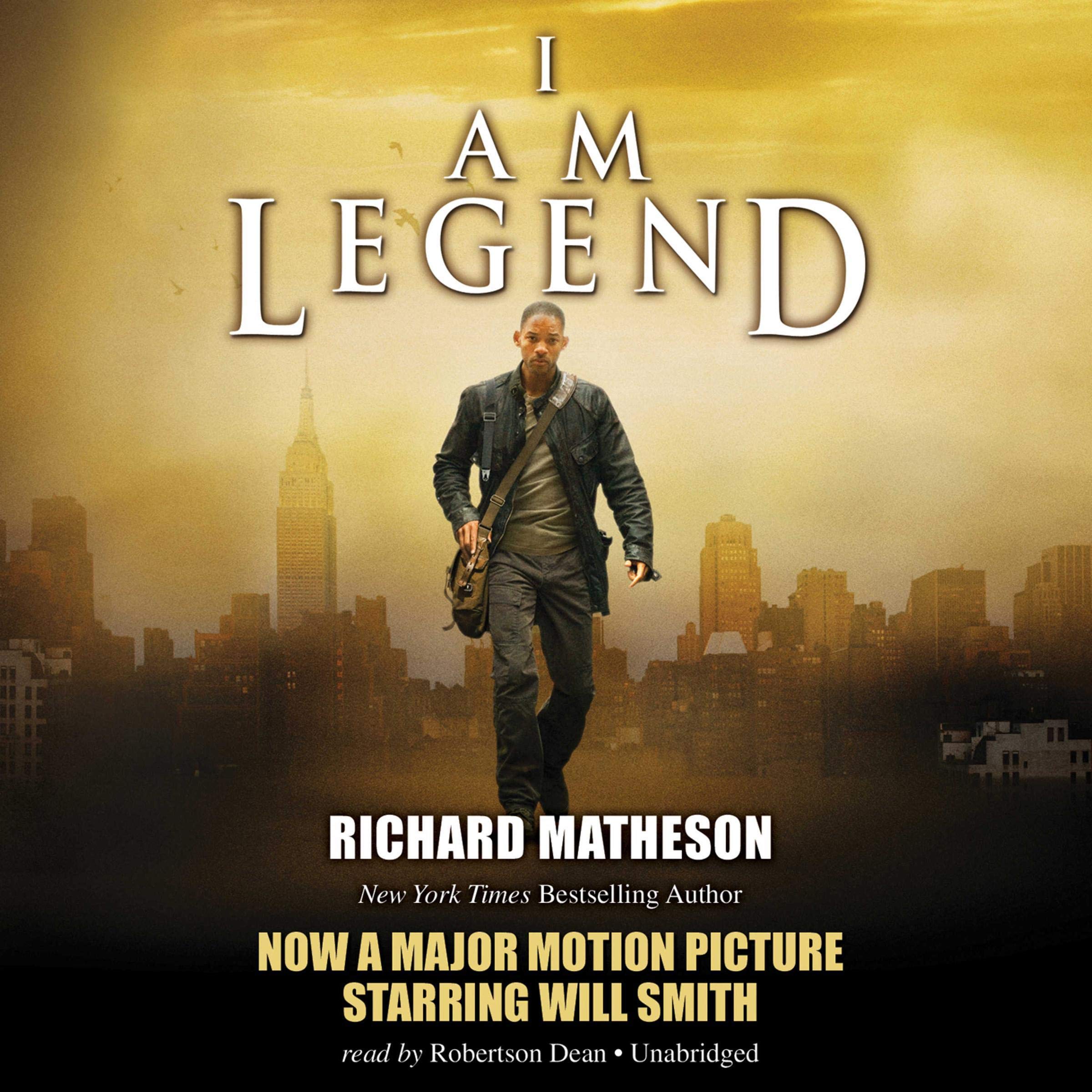
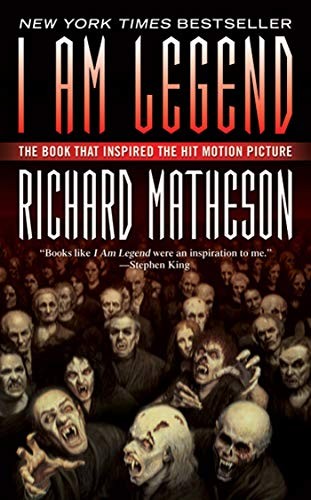
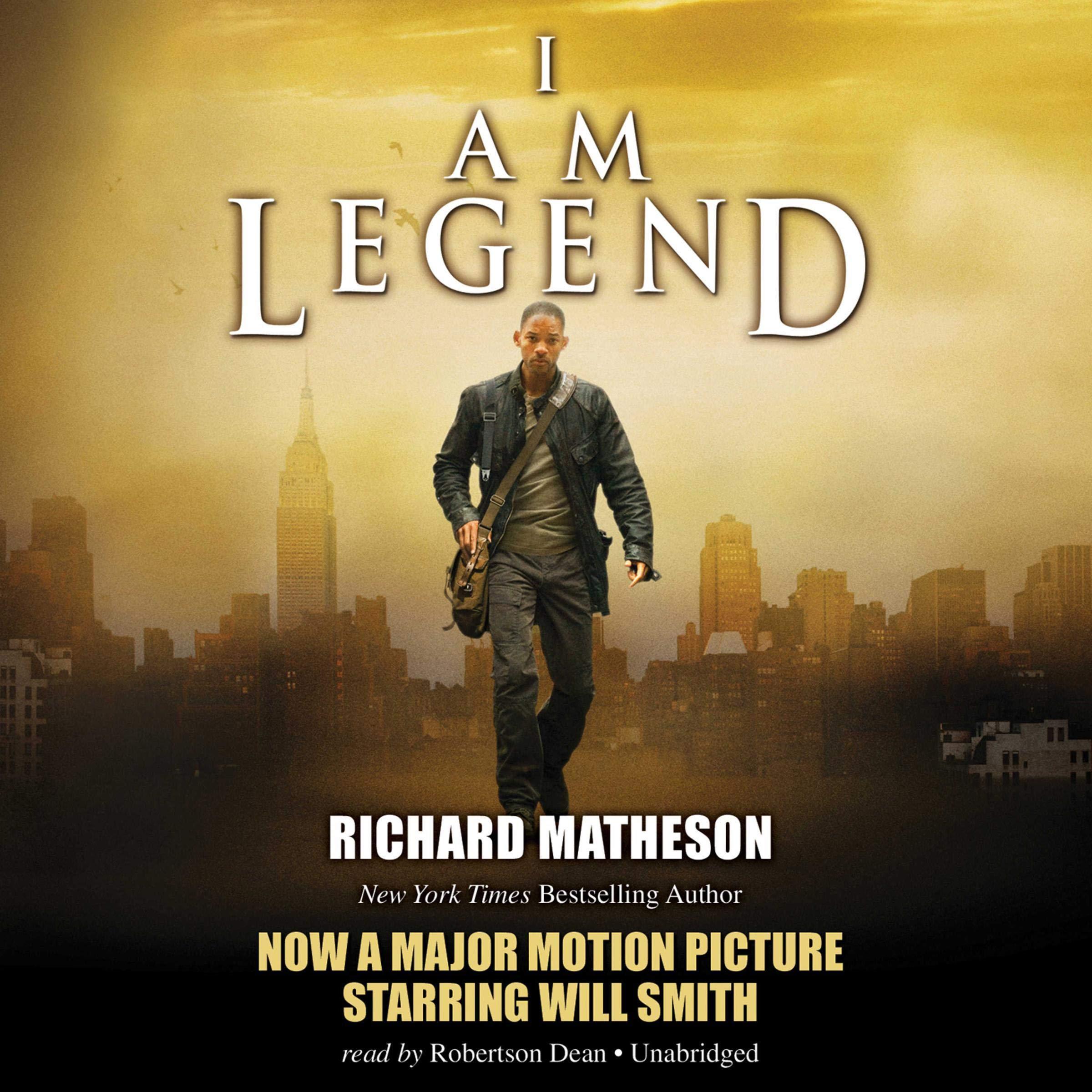
Cover of I Am Legend by Richard Matheson

I Am Legend,

by Richard Matheson

Ask AI
Rating3.9/ 5
Ratings733
Pages312
Reading Hours7h
Published2006
LanguageEnglish

§Synopsis

01

Neville is essentially the last man on earth, and the loneliness of his situation is the central part of the story. Matheson is able to communicate Neville's emotional feelings vividly, making him very real. We gradually acquire the story of the deaths of Neville's wife and daughter, essentially experiencing the pain he goes through when these memories overcome him. We watch him drink himself into a stupor as each night finds him besieged in his fortified house, surrounded by vampires, including his old friend and neighbor, calling for him to come out. We watch him slowly lose his grip on sanity and come very close to giving up.

§Our take

Richard Matheson's 1954 novel is at its best as a pressure chamber: one isolated man repeats the same grim rituals until the reader feels the numbness he hides behind grief and alcohol. Matheson turns vampires into a bacterial infection, and Neville's microscope, garlic tests and improvised rules make the danger feel stubbornly rational, even when his science looks dated now. The fusion of infection research, grief and procedural routine is why the book still lands.

Its weakness is equally honest: the repetitive opening can test patience, and some readers will find the research thin by current standards. Don't judge it by the 2007 film, which keeps the premise but discards the ending that gives the title its meaning.

§Themes

Survival as routine
Boarding up, hunting, drinking and repairing become a cycle that makes Neville's isolation feel like a state of mind.
Fear without folklore
A bacterium, a microscope and improvised tests replace the supernatural rules of conventional vampire stories.
Grief with teeth
Memories of his dead wife and daughter pull Neville toward despair even after another night of survival.
No clean monsters
Neville survives by killing the infected, leaving him with a moral burden that never feels simple.

§How it was received

At publication, response was mixed: criticism landed on flat characters and weak science, while the hard-boiled style drew praise. Modern readers and critics treat the novel as a cornerstone of horror and science fiction, often praising its study of loneliness and monstrosity. The Horror Writers Association gave it a one-time Vampire Novel of the Century Award in 2012, voted on by a jury chaired by Dracula scholar Leslie S. Klinger.

§Read it if

  • You want a short apocalypse story where repetitive routine and loneliness are the real horror
  • You like hard-boiled prose and an amateur scientist testing the rules of an infection
  • You want a lone-survivor story whose moral center shifts as the book goes on

§Skip it if

  • You need laboratory-grade science. Neville's improvised research feels dated by current standards.
  • You dislike deliberate repetition. The first stretch can feel slow by design.

§Before you start

Reading experience
At about 160 pages in its original paperback edition, it moves quickly through chapter-ending hooks, though the repetitive opening can feel slow and the improvised science may look dated.
Reading order
Standalone novel. No earlier book is needed; The Last Man on Earth (1964), The Omega Man (1971) and the 2007 Will Smith adaptation are films, not sequels.
Content notes
Heavy drinking and alcoholism; Grief, depression and extended isolation after the deaths of Neville's wife and daughter; Violence, including Neville staking and burning infected people, some of whom he knew.

§Common questions

Is the novel part of a series?
No. It's a standalone novel, and the three film adaptations aren't sequels.
How is the book different from the 2007 film?
The film moves the story to New York and turns Neville into a would-be savior. The novel keeps him isolated and ends differently.
Are the vampires supernatural?
No. Matheson treats them as people infected by a bacterium, and Neville investigates sunlight, garlic, crosses and mirrors.

§If you liked this

  • 'Salem's Lot by Stephen King — Stephen King cites Matheson as an influence, and the novel was also a nominee for the same one-time vampire award.
  • The Last Man by Mary Shelley — Mary Shelley's much earlier last-survivor novel, for readers who want the same isolation at the end of the world.
  • Station Eleven by Emily St. John Mandel — A post-pandemic novel with a far more hopeful outlook, offering a gentler companion to Neville's ordeal.
  • The Road by Cormac McCarthy — A bleak, spare survival story built on loneliness and grief, making it a close companion without the vampire premise.
  • Interview with the Vampire by Anne Rice — Another nominee for the same vampire award, but it gives vampires sympathetic lives rather than treating vampirism as disease.
Sources
  • Wikipedia
  • Wikipedia
  • Wikipedia
  • Horror Writers Association
  • Den of Geek
  • The Book Smugglers
  • Memphis Public Library

Track this book

Add to your library to track progress and write reviews
§Genres
adventure1classics1comics1fantasy1fiction1horror1
§Moods
challenging1dark1emotional1informative1mysterious1reflective1sad1
§Tags
#loveable characters1#male author1#not diverse characters1#plot driven1#strong character development1#unloveable characters1

§About the Author

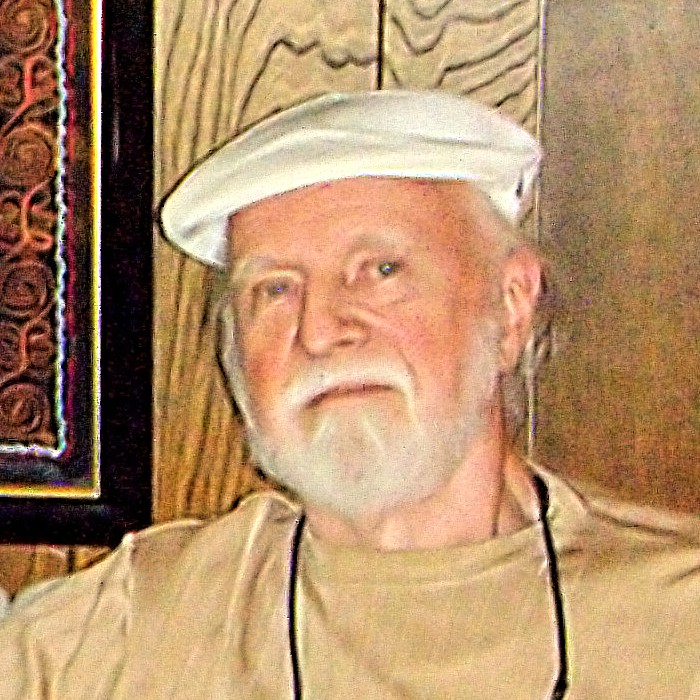
Richard Matheson
Richard Matheson

3 books in catalog

A foundational influence across speculative fiction and screenwriting, post-apocalyptic narrative tradition owes much of its modern structure to I Am Legend. Richard Matheson was born in Allendale, New Jersey, to Norwegian immigrant parents and raised in Brooklyn, where he began writing at age eight. His imaginative stories brought psychological tension and suburban realism to science fiction, fantasy, and horror, producing foundational works that bridged traditional prose and screen media.

Career & Background

After graduating from Brooklyn Technical High School in 1943, he served as an infantry soldier in World War II, an experience that later informed his autobiographical war novel The Beardless Warriors, published in 1960. He earned a bachelor's degree in journalism from the University of Missouri in 1949 before publishing his first professional short story, "Born of Man and Woman," in the Magazine of Fantasy and Science Fiction in 1950. In 1951, he moved to California and expanded into screenwriting while continuing his fiction. Between 1950 and 1971, he wrote dozens of stories, frequently blending elements of science fiction, horror, and fantasy. During the 1950s, he also published a handful of Western stories. His screenwriting career included writing episodes for The Twilight Zone, Lawman, and Star Trek, as well as screenplays for horror movies such as The Devil Rides Out and Steven Spielberg's Duel.

Writing Style & Themes

His writing is characterized by lean, propulsive prose that places everyday individuals into extraordinary or harrowing situations. By embedding supernatural and terrifying premises within plausible domestic settings, his work emphasized psychological realism, acute paranoia, and existential isolation. His narrative techniques heavily influenced mid-century teleplays and cinematic suspense, seamlessly connecting prose fiction with visual screenwriting.

Major Works

  • I Am Legend — Published in 1954, this seminal novel details the struggle of the last human survivor in a world overrun by vampire-like mutants, blending science fiction with horror.
  • The Shrinking Man — This 1956 science fiction novel follows a man exposed to a radioactive cloud who gradually decreases in size, facing everyday household environments as life-threatening hazards.
  • Hell House — Published in 1971, this horror novel explores a team of researchers investigating supernatural phenomena and physical manifestations inside an infamous haunted estate.

§Other Editions

Showing 2 of 64 editions
Cover of I Am Legend

I Am Legend

engAudible
Blackstone Audio, Inc.2006B000V5QJC2
Amazon
Cover of I Am Legend

I Am Legend

engPaperback
Idea & Design Works Llc19919781933239217
§Genres
adventure1classics1comics1fantasy1fiction1horror1
§Moods
challenging1dark1emotional1informative1mysterious1reflective1sad1
§Tags
#loveable characters1#male author1#not diverse characters1#plot driven1#strong character development1#unloveable characters1

Metadata

ISBN-139781481550956
ISBN-101933239212
ASINB002V1CB2Q

Editions and availability

Find I Am Legend Richard Matheson in PDF, EPUB, ebook, audiobook, print, or library editions.

View on Amazon
Bookshop.orgGoogle Play BooksBarnes & NobleOpen Library

Featured In Lists

Book cover from this collectionBook cover from this collectionBook cover from this collectionBook cover from this collection
Book cover from this collection

NPRs Top 100 Science-Fiction and Fantasy Books of All Time

100 books
Book cover from this collectionBook cover from this collectionBook cover from this collectionBook cover from this collection
Book cover from this collection

Sf Masterworks

71 books
Book cover from this collectionBook cover from this collectionBook cover from this collectionBook cover from this collection
Book cover from this collection

NPR Top 100 Science Fiction Fantasy

68 books
Book cover from this collectionBook cover from this collectionBook cover from this collectionBook cover from this collection
Book cover from this collection

Short, Fast-Paced Thrillers

10 books•@sansfictionbot