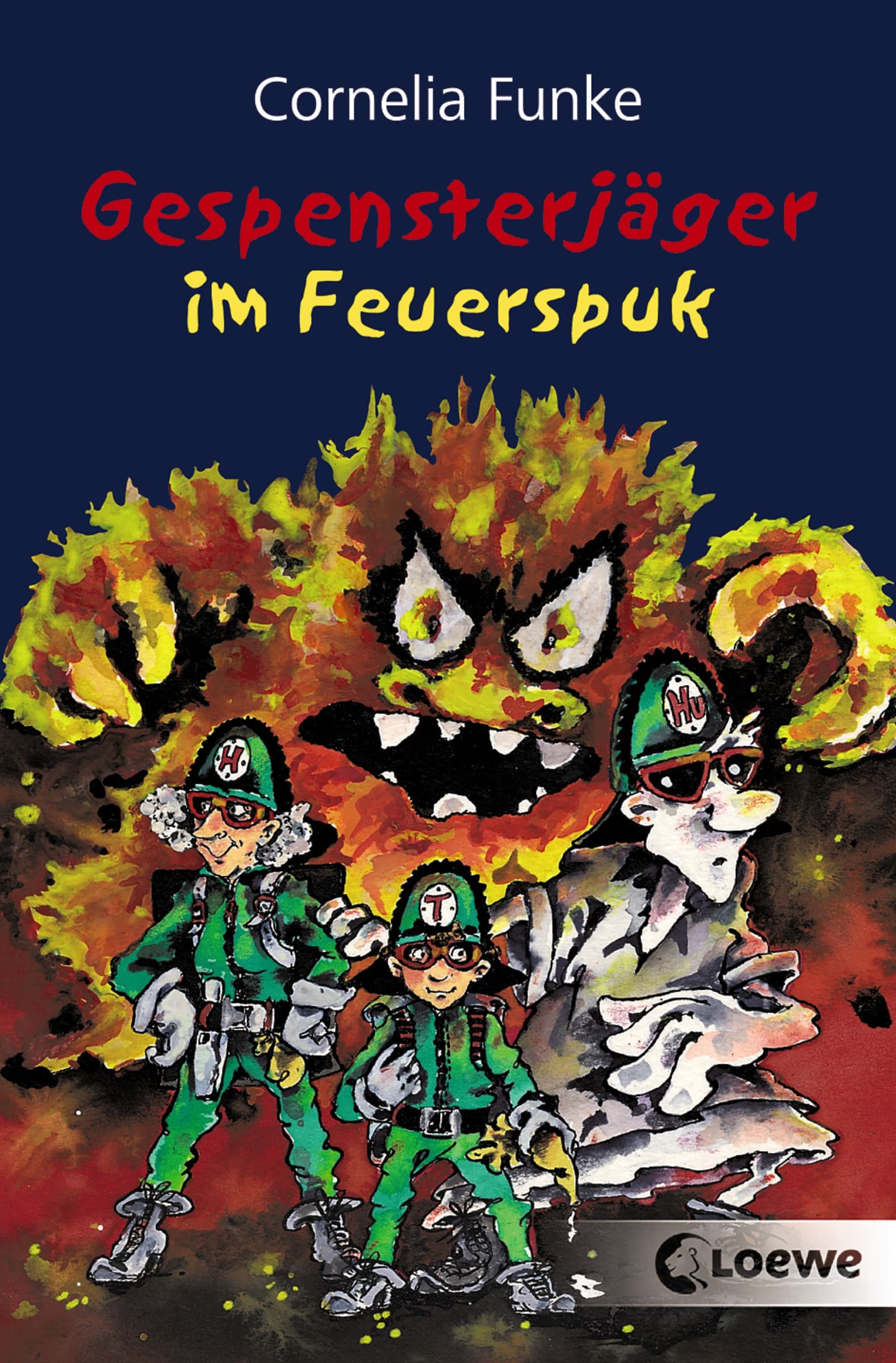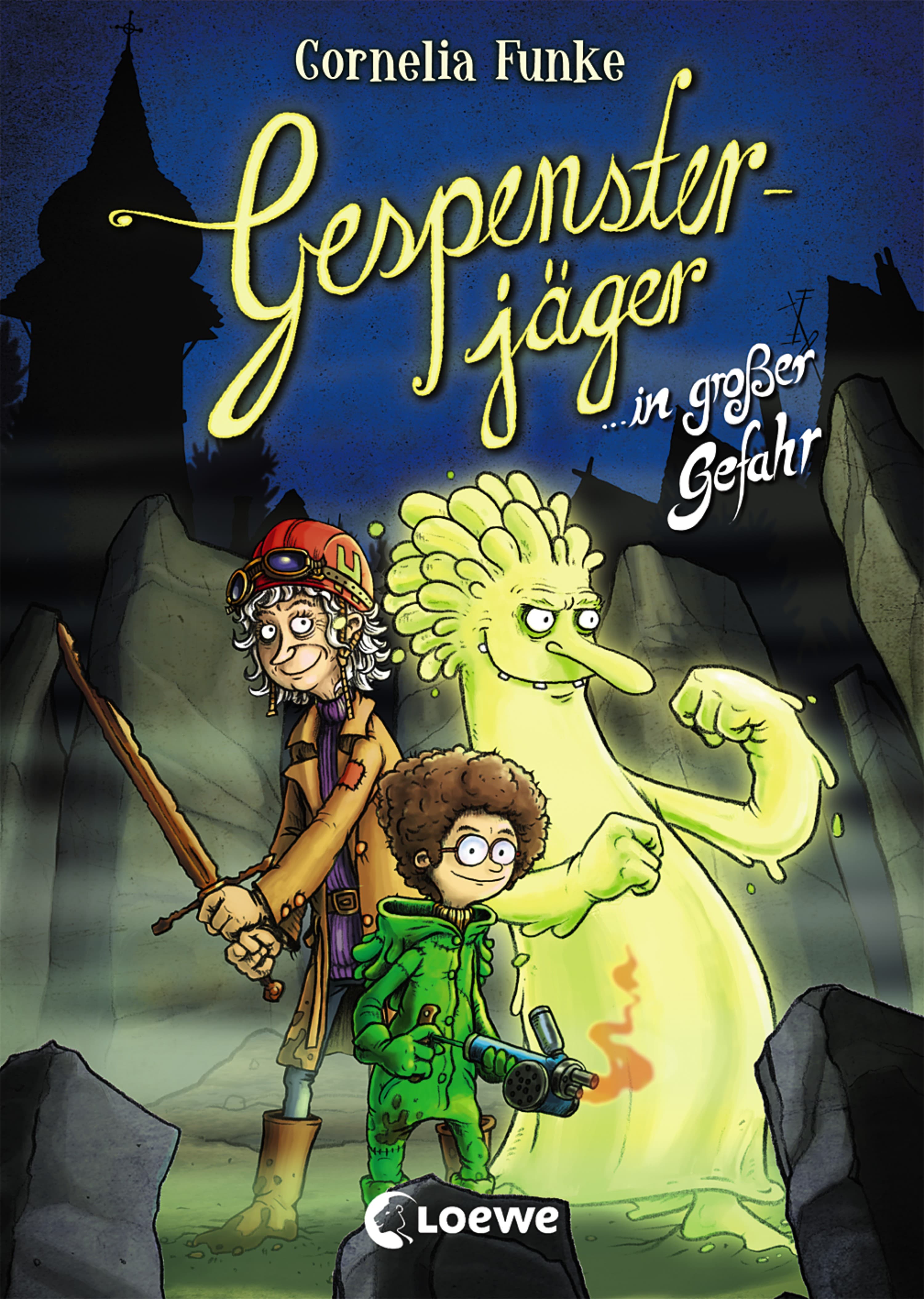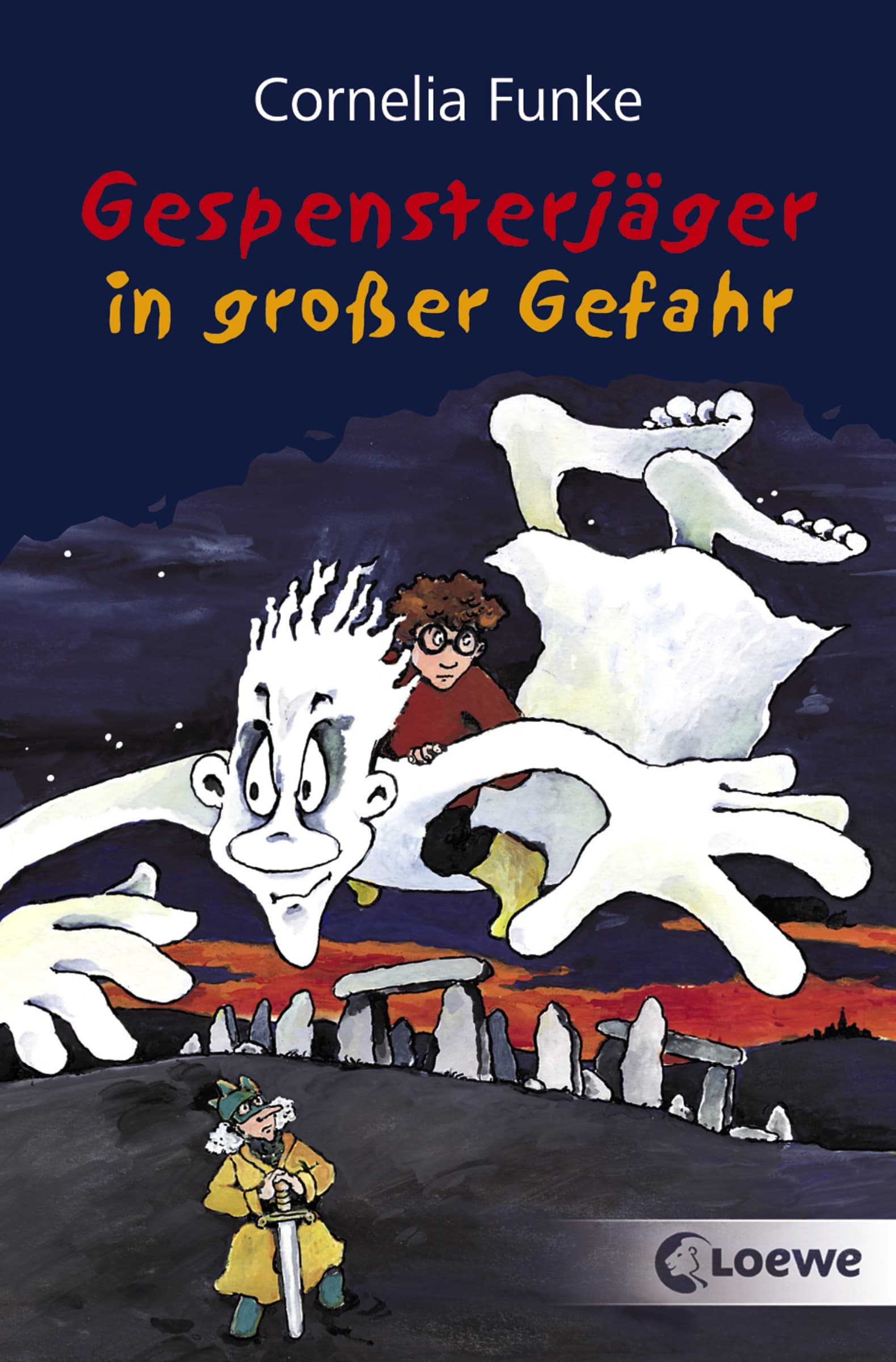
In the fourth installment of Cornelia Funke's Ghosthunters series, the boundary between professional ambition and existential dread becomes dangerously thin. Tom Tomsky, once a timid boy terrified of his own cellar, now stands on the precipice of achieving his third Ghosthunter diploma—a certification that signifies his transition from a lucky amateur to a recognized expert in the field of ectoplasmic disturbances. Under the watchful, often stern, guidance of Hedwig Kümmelsaft, the stakes have shifted from mere survival to the mastery of a complex, dangerous craft.
The setting of Moorweiher serves as more than just a backdrop for a test; it is a claustrophobic environment where the natural world seems to be actively rejecting human presence. As houses begin to sink into the grasping mud and a pervasive stench of decay settles over the village, the trio realizes that the "swamp ghost" they were sent to neutralize is merely a symptom of a much deeper, more ancient threat. The arrival of a NEPROSPEG—a "Negatively Projecting Specter"—acting as the Twelfth Messenger hints at a hierarchy of hauntings that far exceeds the standard curriculum of the Ghosthunting Institute.
Funke’s world-building treats the supernatural not as a vague mystery, but as a field governed by rigorous rules, classifications, and equipment. Ghosthunting is a methodical science involving vacuum cleaners, specialized pastes, and an intricate understanding of ectoplasmic biology. In this entry, the mechanics of the "Third Diploma" showcase the professionalization of fear. The conflict arises when these established rules are challenged by a "Zargoroth," a creature that doesn't fit the standard behavioral patterns of the ghosts Tom has previously encountered. This creates a tension between academic preparation and the unpredictable reality of field work.
The protagonist's development centers on the shift from external reliance to internal confidence. While Tom still depends on Hedwig’s expertise and Hugo’s spectral nature, he is beginning to develop his own instincts. His relationship with Hedwig has evolved from that of a terrified child and a savior to a more nuanced master-and-apprentice dynamic. The moral dilemma presented early in the narrative is whether to proceed with the examination for the sake of the diploma or to retreat in the face of a threat that clearly exceeds the safety parameters of a student's test.
This narrative utilizes the "Urban Fantasy" and "Spooky Mystery" tropes but subverts the idea of the fearless hero. Tom remains fundamentally vulnerable and anxious; his "bravery" is not the absence of fear, but the ability to use his tools and knowledge while his knees are still shaking. By introducing a rigid system of diplomas and ghost classifications, Funke also subverts the "Chosen One" trope, suggesting instead that ghosthunting is a trade that can be learned, practiced, and failed. The horror is grounded in the sensory—the smell of sulfur, the chill of the fog, and the physical decay of the village—making the stakes feel tactile and immediate rather than abstract.
Add to your library to track progress and write reviews
Find Gespensterjäger in großer Gefahr Cornelia Funke in PDF, EPUB, ebook, audiobook, print, or library editions.
7 books in catalog
Gespensterjäger