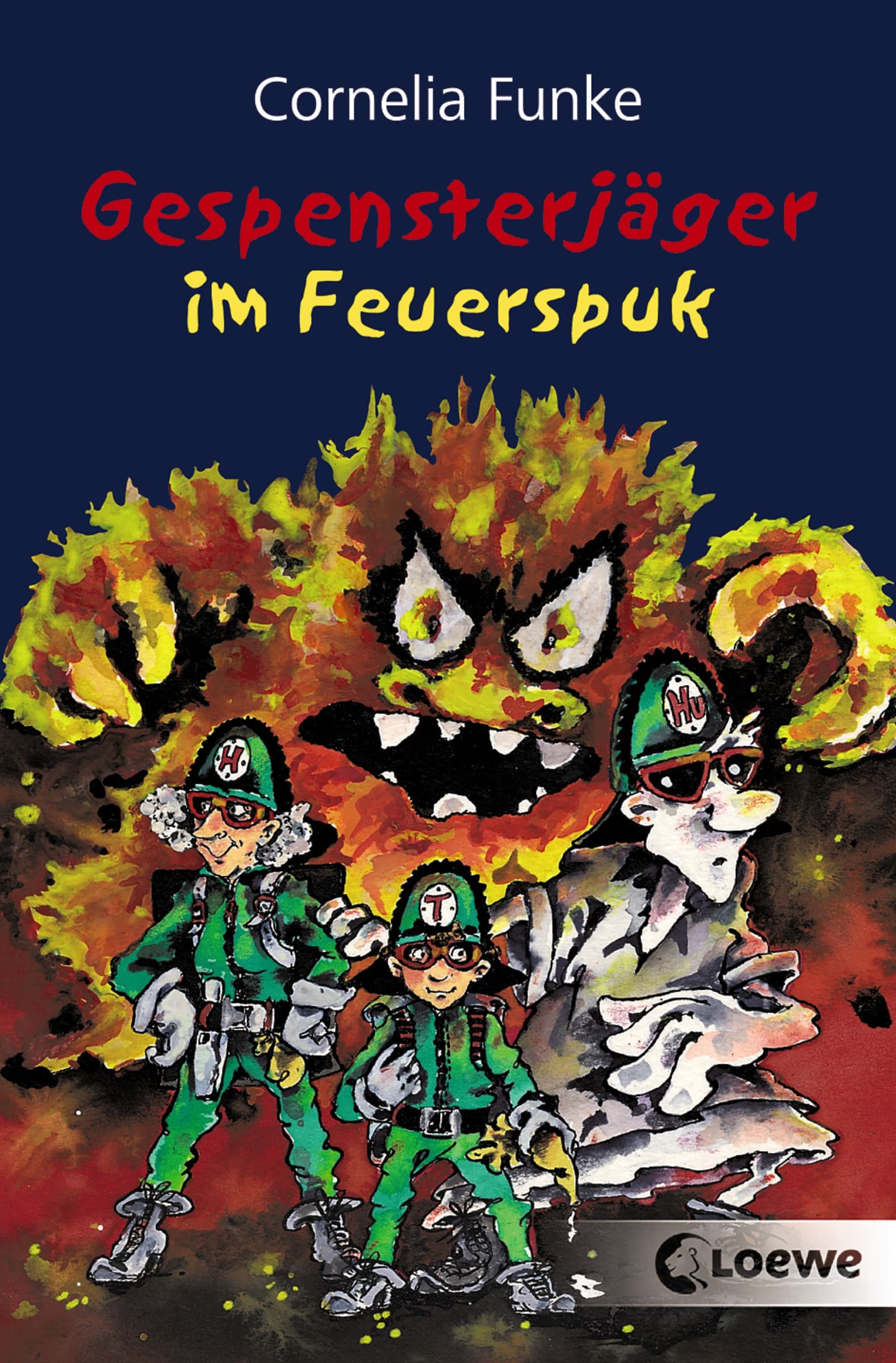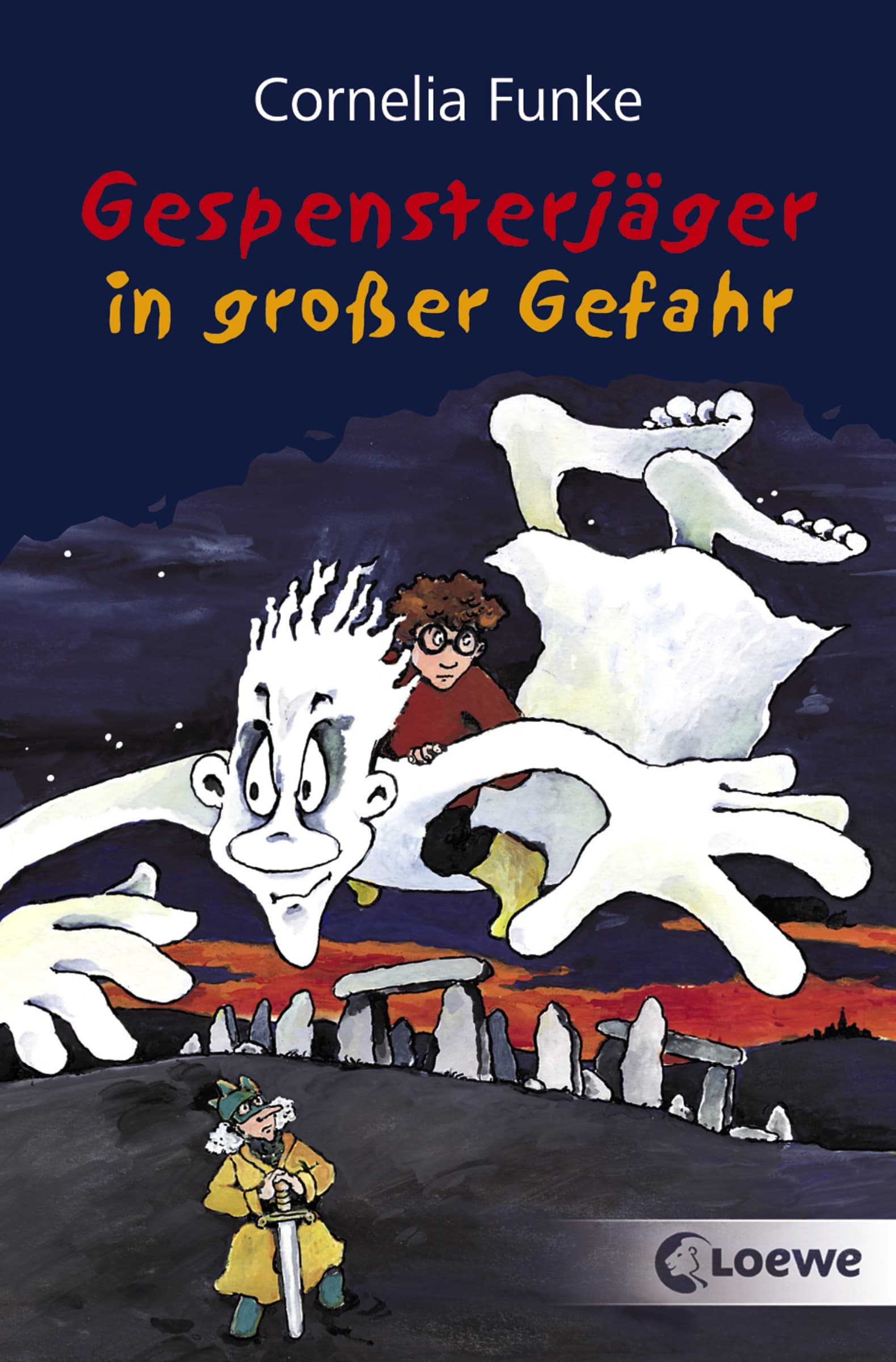
Tom Tomsky is a boy defined by his anxieties, particularly the ones lurking in the shadows of his own home. When he encounters a slimy, pea-green apparition in his basement, his worst fears are realized—but not in the way he expected. Instead of a soul-stealing monster, he finds Hugo, a "Middling Uncanny Ghost" (MUG) who is more pathetic than terrifying, having been evicted from his own haunt by a far more malevolent, ancient force.
This encounter sets the stage for a narrative that treats the supernatural not just as a source of horror, but as a technical problem to be solved with expertise and unlikely courage. The story explores the friction between a child’s instinctual fear and the systematic reality of ghosthunting, where knowledge and specific protocols are the only effective weapons against the unknown.
Funke constructs a world where ghosts are categorized with almost bureaucratic precision. The entities are not merely myths but physical nuisances that leave tangible traces like "ectocool" slime and sudden temperature drops. The setting operates under a set of established paranormal rules: different classes of ghosts, such as the MUG or the dreaded UEG (Incredibly Revolting Ghost), require specific countermeasures. This world building suggests that the supernatural is an ecosystem with its own territorial disputes and hierarchies, hidden just behind the veil of everyday life.
The protagonist's initial arc is rooted in the transformation of his primary personality trait: fear. At the start, Tom is a victim of his own imagination and his sister’s teasing. His development begins when his fear is replaced by a sense of justice and empathy for Hugo’s plight. The relationship dynamic shifts from hunter and prey to an "odd couple" partnership. Tom’s growth is measured by his willingness to seek out Hedwig Kümmelsaft’s professional mentorship, moving from a position of helplessness to one of calculated action.
The narrative utilizes the "Monster in the Basement" trope but quickly subverts it by making the monster a displaced refugee rather than a predator. By introducing the concept of professional ghosthunting—complete with manual-based strategies and classification codes—the book moves away from traditional gothic horror and toward a "Professional Procedural" for children. The stakes are established not through typical violence, but through the environmental threat of an "icy trail" left by an ancient ghost that threatens to freeze everything in its path, turning a ghost story into a high-stakes rescue mission.
Add to your library to track progress and write reviews
Find Gespensterjäger - Das Buch zum Film Cornelia Funke in PDF, EPUB, ebook, audiobook, print, or library editions.
7 books in catalog
Gespensterjäger