§Synopsis
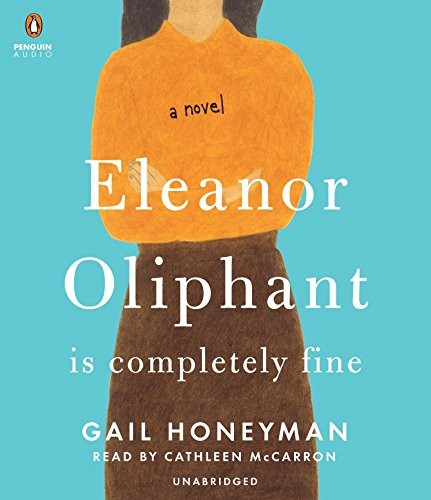
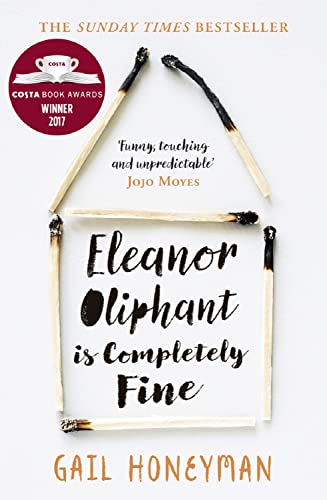
01No one’s ever told Eleanor that life should be better than fine.
Meet Eleanor Oliphant: She struggles with appropriate social skills and tends to say exactly what she’s thinking. Nothing is missing in her carefully timetabled life of avoiding social interactions, where weekends are punctuated by frozen pizza, vodka, and phone chats with Mummy.
But everything changes when Eleanor meets Raymond, the bumbling and deeply unhygienic IT guy from her office. When she and Raymond together save Sammy, an elderly gentleman who has fallen on the sidewalk, the three become the kinds of friends who rescue one another from the lives of isolation they have each been living. And it is Raymond’s big heart that will ultimately help Eleanor find the way to repair her own profoundly damaged one.
§Our take
This is “up lit” with teeth: Eleanor’s deadpan voice makes a serious story about trauma feel like comedy until it doesn’t. Her formal, literal mind supplies the joke, and whether that joke is kind or cutting depends on the reader. Raymond and the rescue of Sammy matter because change arrives through friendship and ordinary kindness, not the crush subplot or a neat romantic cure.
The real test is tolerance for Eleanor. Some readers find her bluntness hilarious and endearing; others find her pompous, rude and nearly unbearable. The two-part structure makes that test harder. “Good Days” establishes the routine, while “Bad Days” brings the darker material forward. The content notes deserve a look before starting, but this is not a light book with one serious patch.
§Themes
- Loneliness on a schedule
- A rigid week built around work, frozen pizza, vodka and a call with Mummy makes isolation look like ordinary routine.
- Comedy as armor
- Eleanor’s precise, literal narration turns social difficulty into jokes while deeper pain stays out of view.
- Kindness over romance
- Raymond and the rescue of Sammy open a route out of isolation that the early crush cannot.
- Good days, bad days
- The book’s two parts move the tone from comic routine to darker material and finally toward hope.
§How it was received
Kirkus called the debut endearing, praised Eleanor’s deadpan inner monologue and described it as part comic novel, part emotional thriller and part love story. The Bookbag found it moving, funny and perceptive, though it found some supporting characters familiar and Eleanor initially judgmental and hard to like. Readers differ over whether her bluntness is lovable or insufferable, while many praise the balance of laughter and heartbreak.
§Read it if
- You enjoy a distinctive first-person narrator and can tolerate someone who is often blunt, rude or awkward
- You want friendship and small acts of kindness to carry more weight than romance
- You can handle adult material about abuse, trauma, depression, drinking and suicide without expecting a consistently light tone
§Skip it if
- Eleanor’s formal, pompous voice makes you cringe. Reader reactions to her bluntness are sharply divided.
- You need the tone to stay light. The second part turns much darker, and the material may be too heavy for the mood you want.
§Before you start
- Reading experience
- The prose is easy to read, though the middle can slow down and the second part is emotionally harder.
- Content notes
- Childhood abuse and neglect, including verbal abuse by a parent and time in foster care; Suicidal thoughts and a suicide attempt; Heavy drinking and alcohol abuse; Trauma, PTSD symptoms and depression; Animal abuse, physical scarring and an abusive past relationship.
§Common questions
- Is Eleanor supposed to be autistic?
- The book never gives her that diagnosis. Readers disagree about whether she reads as autistic, traumatised, or both.
- Is this really an uplifting read?
- Not throughout. It begins comic, then grows much darker around abuse, trauma, heavy drinking, depression and suicidal thoughts.
- Is it part of a series?
- No. It is a standalone debut with no sequel.
§If you liked this
- The Rosie Project by Graeme Simsion — Both use a socially unusual narrator and an unexpected connection, though comparisons with Eleanor often turn on the disputed question of autism.
- Convenience Store Woman by Sayaka Murata — A compact novel about rigid routine and an outsider view of social norms, funny and painful in much the same way.
- A Man Called Ove by Fredrik Backman — A gruff, isolated man is drawn back toward life by neighbours, with grief doing the serious work beneath the jokes.
- The Unlikely Pilgrimage of Harold Fry by Rachel Joyce — Another “up lit” novel about loneliness, buried pain and small human connections.
Track this book
Add to your library to track progress and write reviews