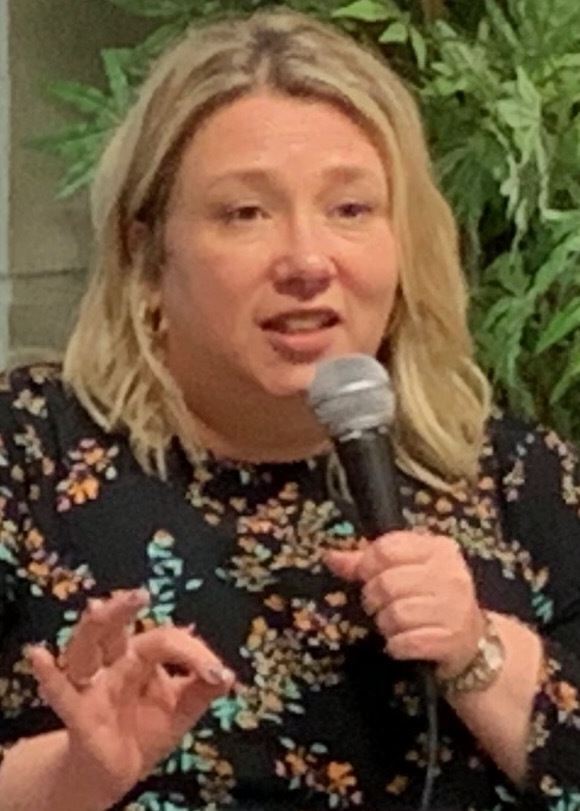
§Author· 2 books
Gail Honeyman
Contemporary fiction exploring social isolation and human connection gained widespread critical and commercial attention through the debut novel Eleanor Oliphant Is Completely Fine. Scottish author Gail Honeyman crafted a detailed portrait of an eccentric, traumatized woman navigating loneliness and recovery in modern Glasgow, establishing a distinct voice in contemporary narrative fiction.
Her debut novel reached an international audience, earning major literary recognition and film adaptation interest while highlighting the transformative power of everyday acts of kindness. Beyond her premier work, Honeyman's catalog includes Untitled Book 2, representing her continued creative development.
Career & Background
Born in 1972 in Stirling, central Scotland, Gail Honeyman grew up with a mother who worked as a civil servant and a father employed in science. An avid reader from childhood who frequented her local library, Honeyman pursued higher education at the University of Glasgow, studying French language and literature. She subsequently undertook postgraduate research in French poetry at the University of Oxford before deciding against an academic career path.
Returning to administrative work, Honeyman held various civil service and higher education roles, including an administrative position at Glasgow University. Her authorial development took off when she enrolled in a writing course at the Faber Academy. While working full-time, she composed short stories and drafted the opening chapters of Eleanor Oliphant Is Completely Fine. The unfinished manuscript was shortlisted for the Lucy Cavendish Fiction Prize. Upon publication in 2017, the novel won the Costa First Novel Award and received nominations for the Women's Prize for Fiction and the Desmond Elliott Prize, with official author portraiture photographed by Philippa Gedge.
Writing Style & Themes
Honeyman's writing focuses on psychological depth, addressing acute social isolation, trauma, mental illness, and emotional resilience without resorting to melodrama. Inspired in part by journalistic coverage of urban loneliness among young adults living independently, she constructs characters who appear functionally self-sufficient while experiencing severe internal distress. Her narrative voice balances deadpan observational humor with poignant vulnerability, showing how routine, employment, and small interpersonal interactions shape psychological health.
A central element of her approach is the importance of practical empathy and unpretentious human connection. Through realistic dialogue and carefully structured internal monologues, Honeyman depicts how unexpected friendships and simple acts of courtesy can help individuals break free from entrenched isolation. Her prose combines precise social observation with subtle character growth, offering a grounded perspective on community and recovery.
Major Works
- Eleanor Oliphant Is Completely Fine — Published in 2017, this debut novel centers on a socially isolated Glasgow office worker recovering from past trauma through unexpected kindness and human connection. The book won the 2017 Costa First Novel Award, was longlisted for the Women's Prize for Fiction, and saw translation rights sold across more than thirty territories alongside a film option by Reese Witherspoon.
- Untitled Book 2 — Represented in the local catalog as Honeyman's anticipated follow-up project, this title marks the ongoing expansion of her body of fiction.
§All Books
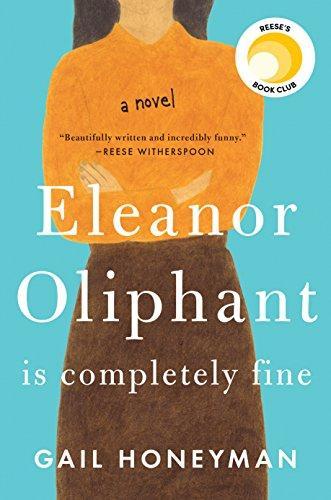
Eleanor Oliphant Is Completely Fine
Gail Honeyman, 2017
896 ratings
Untitled Book 2
Gail Honeyman, 2024
§ About Gail Honeyman's books
- Books on SansFiction
- 2
- Published
- 2017–2024
- Average rating
- 4.1 / 5 across 896 ratings
- Genres
- Contemporary, Fiction, Friendship, Psychology
Start here: Eleanor Oliphant Is Completely Fine (2017)
No one’s ever told Eleanor that life should be better than fine. Meet Eleanor Oliphant: She struggles with appropriate social skills and tends to say exactly what she’s thinking. Nothing is missing in her carefully timetabled life of avoiding social interactions, where weekends are punctuated by frozen pizza, vodka, and phone chats with Mummy.
Common questions about Gail Honeyman
- Who is Gail Honeyman?
- Born in 1972 in Stirling, central Scotland, Gail Honeyman grew up with a mother who worked as a civil servant and a father employed in science. An avid reader from childhood who frequented her local library, Honeyman pursued higher education at the University of Glasgow, studying French language and literature.
- What is Gail Honeyman best known for?
- Gail Honeyman is best known for Eleanor Oliphant Is Completely Fine, published in 2017 with 896 ratings and a 4.1 average. It is the most-rated of Gail Honeyman's books on SansFiction.
- How many books has Gail Honeyman written?
- SansFiction lists 2 books by Gail Honeyman, published between 2017 and 2024. The most popular are Eleanor Oliphant Is Completely Fine and Untitled Book 2.
- Which Gail Honeyman book should I read first?
- Eleanor Oliphant Is Completely Fine is the usual place to start: it is Gail Honeyman's most-rated book here, with a 4.1 average.
- What genres does Gail Honeyman write?
- Gail Honeyman's books on SansFiction are tagged Contemporary, Fiction, Friendship and Psychology.
Explore: Contemporary · Fiction · Friendship · Psychology