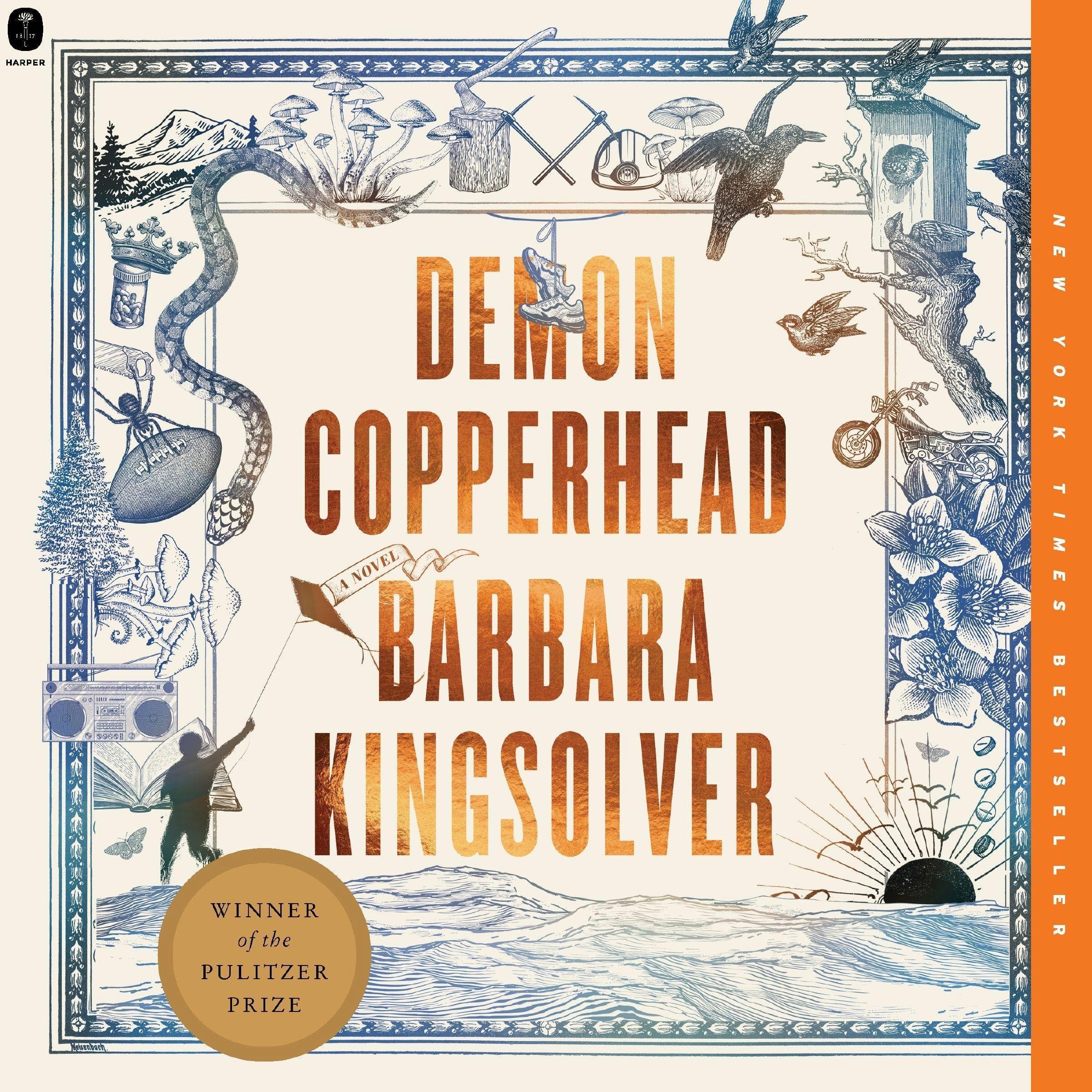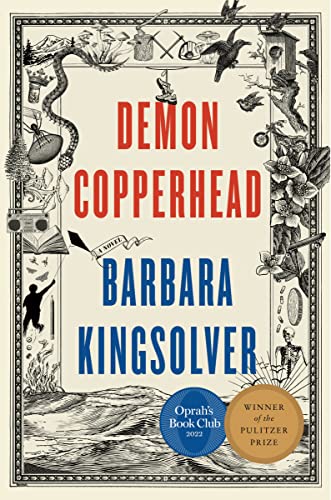
§Synopsis
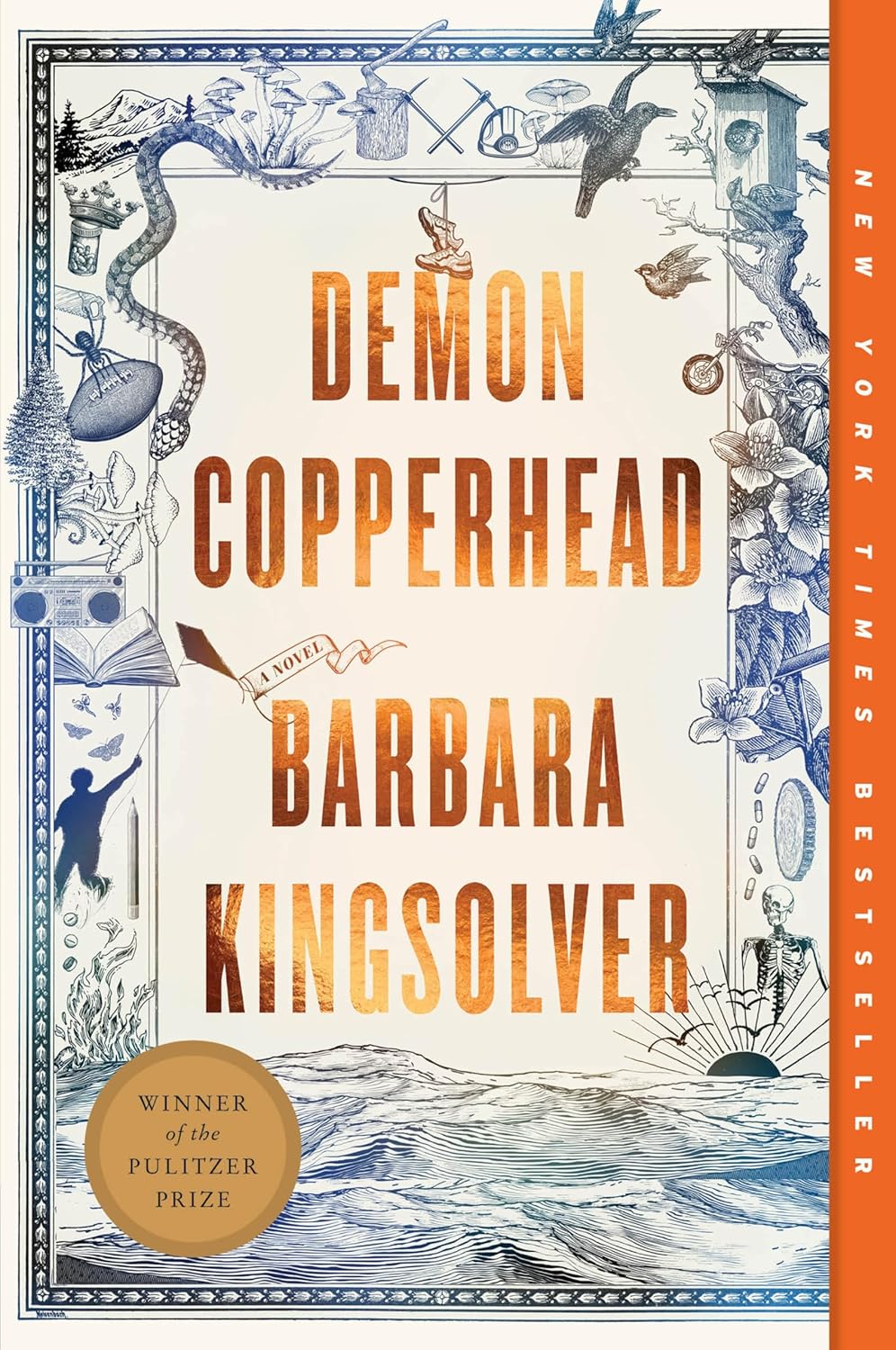
01"Relayed in his own unsparing voice, Demon braves the modern perils of foster care, child labor, derelict schools, athletic success, addiction, disastrous loves, and crushing losses. Through all of it, he reckons with his own invisibility in a popular culture where even the superheroes have abandoned rural people in favor of cities.
Many generations ago, Charles Dickens wrote David Copperfield from his experience as a survivor of institutional poverty and its damages to children in his society. Those problems have yet to be solved in ours. Dickens is not a prerequisite for readers of this novel, but he provided its inspiration. In transposing a Victorian epic novel to the contemporary American South, Barbara Kingsolver enlists Dickens’ anger and compassion, and above all, his faith in the transformative powers of a good story. Demon Copperhead speaks for a new generation of lost boys, and all those born into beautiful, cursed places they can’t imagine leaving behind."-- Provided by Amazon
§Our take
Kingsolver's central achievement is making institutional poverty feel like a system rather than a backdrop of rural suffering. Demon tells the story in a sardonic, pop-culture-laced voice that is funny, wary and alive; it keeps the novel from collapsing into self-pity or pure spectacle.
The book asks whether school, art and love can give a damaged child another route out, and it is frank about how little those routes can do against foster care, hunger, child labor and the opioid epidemic. That makes it a social indictment first and a comfort read never. The Dickens scaffolding is the wager: familiarity can sharpen the critique, but readers who keep matching every scene may lose some emotional force. Read it without checking every echo and let Demon sound like Demon.
§Themes
- A voice with teeth
- Demon's sardonic, pop-culture-laced narration turns a brutal coming-of-age story into something sharper and more absorbing.
- Poverty has an address
- Foster care, failing schools, child labor and the pharmaceutical industry make private suffering structural.
- Knowledge as leverage
- Schooling and art offer routes beyond poverty and addiction, though neither arrives as a magic solution.
- Loyalty to place
- Demon's attachment to Lee County challenges the idea that rural people exist mainly as problems to be explained or escaped.
§How it was received
Kirkus called the novel angry and praised Demon's sardonic voice, while objecting that its attack on capitalism's contempt for older rural ways was pressed too hard; Michael Arditti called the voice a tour de force but said tracking Dickens so closely could dull the emotional impact. Publishers Weekly praised the opioid epidemic, foster-care and child-hunger commentary but warned that the intense pace may wear on some readers; Lorraine Berry said the Dickens frame added little and argued that the book invited readers to gawk at suffering, which she called poverty porn. It won the 2023 Women's Prize for Fiction unanimously and shared the 2023 Pulitzer for Fiction with Hernan Diaz's Trust.
§Read it if
- You want a long bildungsroman with a sardonic Appalachian narrator and no knowledge of David Copperfield required
- You can sit with opioid addiction, child abuse, hunger and relentless hardship without expecting the story to soften the blow
- You want a story that tests whether education can interrupt poverty rather than blaming poor people for staying poor
§Skip it if
- You need a comforting read. Roughly 550 pages of steady trauma offer little relief.
- You recoil from a child narrator who sounds too clever, or from a close Dickens scaffold that turns reading into a spotting game
§Before you start
- Reading experience
- The early dialect and fragmented prose can snag some readers, but the single first-person narrative then moves at an intense, fast pace through relentless hardship.
- Reading order
- Standalone novel and free retelling of Charles Dickens's David Copperfield (1850); no series order applies.
- Content notes
- Opioid use, addiction and overdose; Child abuse and neglect, including intentional starvation in foster placements; Labor exploitation of children; Sexual content, crude sexual language and allusions to sexual violence; Frequent profanity; Homophobic and racist language and attitudes; Critical portrayals of religion.
§Common questions
- Do I need to read David Copperfield first?
- No. Demon Copperhead stands on its own, though knowing Dickens can make the parallels easier to spot.
- How long is Demon Copperhead?
- About 550 to 560 pages depending on the edition. The unabridged audiobook runs roughly 21 hours.
- What are the main content warnings?
- Opioid addiction and overdose, child abuse and neglect, intentional starvation, child labor exploitation, sexual content and allusions to sexual violence, profanity, racist and homophobic language, and critical portrayals of religion.
§If you liked this
- David Copperfield by Charles Dickens — The direct source text; reading it afterward reveals how Kingsolver makes the voice funnier and the social critique more pointed.
- Hillbilly Elegy by J. D. Vance — Not a companion so much as an opponent: Kingsolver uses Demon Copperhead to contest its framing of rural poverty and regional failure.
- What You Are Getting Wrong About Appalachia by Elizabeth Catte — A historian's corrective to lazy regional stereotypes, useful beside a novel trying to tell a different Appalachian story.
- Appalachian Reckoning by edited by Anthony Harkins and Meredith McCarroll — An essay collection that puts Appalachian voices into the same argument about Hillbilly Elegy that Kingsolver's novel joins.
Track this book
Add to your library to track progress and write reviews