SSansFiction
The libraryCollectionsJournalStatsFor authors
Sign inJoin now
Sansfiction,

A digital library for books. Made by readers, for readers.

v 2.0 · 2026
The library
  • Discover
  • Collections
  • Book tracker
  • Journal
  • Stats
For authors
  • SF Links
  • Analytics
  • How it works
  • FAQ
Elsewhere
  • X / @sansfiction
  • Privacy
  • Terms
  • Contact
© 2026 SansFiction · Digital · GlobalA quiet room for your reading life.
The libraryCollectionsJournalStatsFor authors
Sign inJoin now →
Navigation
Library
Bookshelf
Journal
Discover
Collections
Tierlists
Stats
Profile
Author Page
Link Builder
Account
Sign in
S
G
BookscasteDark Age
Cover of Dark Age by Pierce Brown
№ 5 · Red Rising Saga

Dark Age,

by Pierce Brown

Ask AI
Rating4.4/ 5
Ratings466
Pages800
Reading Hours17h
Published2019
LanguageEnglish

§Synopsis

01

The solar system no longer dreams of a liberated future; it bleeds to survive the present. In the decade following the fall of the Society, the idealism of the Rising has been replaced by the grueling entropy of a perpetual war. Darrow of Lykos, once the messianic "Reaper" who broke the chains of color-coded slavery, now finds himself an outlaw of the very Republic he founded. Stationed on the radioactive sands of Mercury, he leads a rogue campaign against a massive Society invasion, aware that his tactical brilliance may no longer be enough to bridge the gap between his dwindling legions and the crushing weight of an empire reborn.

This chapter of the Red Rising saga functions as a visceral deconstruction of the revolutionary myth. As the narrative shifts between five primary perspectives, the focus moves from the romanticism of rebellion to the mechanical, political, and psychological costs of maintaining power. While Darrow fights a war of attrition in the "Iron Rain" of the Core, the political infrastructure of Luna begins to buckle under the pressure of internal conspiracies. The dream of freedom is no longer a guiding light but a flickering candle in a hurricane of shifting alliances and rising shadows.

The Mechanics of a Dying Empire

The world-building in this installment expands from the high-tech elegance of the inner planets to the brutal, environmental hostility of Mercury. The setting is defined by the "Storm Gods"—colossal terraforming machines that have been weaponized to manipulate the planet’s atmosphere, turning the weather itself into a tool of mass destruction. This is a universe governed by "Iron Gold" logic, where the scale of warfare has reached apocalyptic proportions. The atmosphere is one of claustrophobia and decay; whether in the gilded, treacherous halls of the Senate on Luna or the radiation-scarred trenches of Heliopolis, there is a sense that the technological marvels of the human race are being systematically dismantled by the very people who created them.

The Burden of Legacy and Leadership

Character dynamics are driven by the tension between public personas and private exhaustion. Darrow’s initial arc is one of profound isolation; he is a general without a country, forced to make impossible choices that alienate him from his family and his government. His relationship with his wife, Virginia (Mustang), now the Sovereign of the Republic, is strained by the distance of space and the divergent requirements of their roles—one fighting for survival on the front lines, the other fighting for the soul of a democracy under siege. Conversely, the return of Lysander au Lune introduces a chilling counterpoint. As the exiled heir to the old empire, his development centers on a search for a "nobler" version of tyranny, attempting to reconcile his grandfather’s ruthless legacy with his own desire for a structured, peaceful order.

Subverting the Heroic Narrative

The story leans heavily into the tropes of Military Science Fiction and Political Intrigue, only to subvert them through the lens of "War is Hell." It rejects the "Great Man" theory of history by showing how the actions of legends like the Reaper create ripples of collateral damage that characters like Lyria, a Red refugee, and Ephraim, a disillusioned thief, must navigate. The trope of the "Chosen One" is replaced by the reality of the "Consequence." Every tactical victory on the battlefield is met with a strategic loss in the political arena, suggesting that the cycle of violence is not something to be won, but something that consumes everyone involved regardless of their "Color" or creed.

The Fracturing of the Republic

As the narrative progresses through its first half, the stakes transition from a struggle for freedom to a struggle for institutional permanence. The Republic is beset not just by the Society’s fleet, but by "The Syndicate," a criminal underworld that has filled the vacuum left by the old order. On Luna, Virginia must navigate a senate that is more interested in partisan advantage than the survival of the men on Mercury. This political gridlock creates a vacuum of leadership, allowing new, darker threats to emerge from the periphery. The core conflict is no longer just Red versus Gold; it is the fragile light of a fledgling democracy versus the encroaching darkness of an era defined by total, uncompromising war.

Track this book

Add to your library to track progress and write reviews

§Genres
caste1dystopian1science fiction1space1war1young adult1
§Moods
challenging1emotional1fast-paced1inspiring1mysterious1
§Tags
#dystopia1#fantezie1#sci-fi1

§About the Author

Pierce Brown
Pierce Brown

7 books in catalog

Reimagining futuristic society through the lens of classical antiquity and brutal class warfare, the dystopian science fiction saga Red Rising Saga presents a color-coded caste system where low-caste miners labor under the illusion of a better future. American novelist and screenwriter Pierce Brown, whose full name is Pierce Elliott Brown, established this expansive solar system setting in his 2014 debut novel Red Rising. The narrative follows Darrow, a low-caste Helix miner who undergoes radical alteration to infiltrate the ruling Gold class and dismantle a tyrannical empire from within. Translated into over thirty languages, the series combines military strategy, political intrigue, and visceral action to examine the moral compromises required to overthrow an oppressive regime.

By grounding sweeping space opera mechanics in historical precedents from ancient Greece and Rome, Pierce Brown offers a rigorous examination of power dynamics, revolutionary sacrifice, and systemic collapse. Rather than treating technology as the primary driver of drama, his books prioritize the human motivations behind ideological conflict and the cyclical nature of authoritarian rule. The overarching narrative spans two distinct story arcs: an initial trilogy detailing the spark of interstellar rebellion and a subsequent sequel series addressing the messy, perilous realities of building a functioning democracy in the aftermath of war.

Career & Background

Born in Denver, Colorado, on January 28, 1988, Pierce Brown experienced a nomadic childhood that saw his family relocate across eight different states. This frequent movement sparked an early appreciation for narrative as a tool for connecting with new surroundings, a creative inclination further shaped by listening to his grandfather tell passionate, exaggerated stories on the patio. He later attended Pepperdine University, graduating in 2010 with a Bachelor of Arts in political science and economics. During his collegiate years and immediate post-graduation period, Brown wrote six distinct book manuscripts between the ages of 18 and 22, enduring more than 100 rejections from literary agents before securing publication.

To support his writing efforts, Pierce Brown worked from a converted garage while balancing a series of entry-level positions across political and media organizations. He served as an aide on a U.S. Senate campaign, worked as an NBC page, and managed social media strategy for a tech startup. These varied professional roles in institutional environments provided him with first-hand insight into organizational hierarchies, political manipulation, and bureaucratic power struggles. This practical exposure directly informed the legal structures, societal mechanics, and institutional dynamics that characterize his fictional universe. Following the breakthrough publication of Red Rising in 2014, he expanded his literary scope by writing the six-issue prequel comic book series Red Rising: Sons of Ares in 2015, which explores the origin of the underground resistance movement.

Writing Style & Themes

The literary style of Pierce Brown is distinguished by its fast-paced, first-person present-tense point of view, immersing readers directly into the immediate physical danger and psychological strain experienced by his characters. Drawing heavily on classical Roman history, Greek mythology, and military strategy, his world-building constructs a rigid, color-coded hierarchy where society is stratified into specialized functional castes ranging from manual labor Reds to ruling Gold elites. His narratives adopt a dark, high-stakes tone that scrutinizes the grim logistics of warfare, the corrupting influence of absolute power, and the ethical burdens carried by political leaders.

Central to the work of Pierce Brown is the persistent conflict between justice and vengeance, alongside the ongoing challenge of retaining personal integrity within coercive systems. His stories move beyond the triumph of overthrowing a dictator to interrogate the chaotic aftermath of revolution, showing how noble intentions can yield unforeseen destruction, civil fragmentation, and lingering trauma. By highlighting the structural friction between competing political factions, his books explore whether lasting social reform can be achieved through violence or if revolutionary movements inevitably replicate the authoritarian structures they set out to destroy.

Major Works

  • Red Rising Saga — The overarching epic science fiction series that details the fall of a color-coded dystopian solar system and the chaotic struggle to build a democracy. Beginning with the initial trilogy—Red Rising, Golden Son, and Morning Star—the story charts Darrow's transformation from a low-caste miner into a revolutionary leader. The subsequent expanded narrative arc—comprising Iron Gold, Dark Age, and Light Bringer—explores the geopolitical instability, ethical compromises, and devastating costs of governing in the wake of total war.
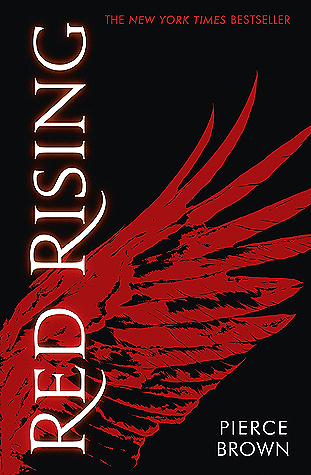
  • Red Rising — Published in 2014 as the author's debut novel, Red Rising introduces Darrow, a low-caste Red working beneath the surface of Mars. After suffering personal tragedy and learning that humanity has lived on the surface for generations in luxury, Darrow undergoes physical reshaping to infiltrate the elite Gold ruling class and ignite a rebellion from within.
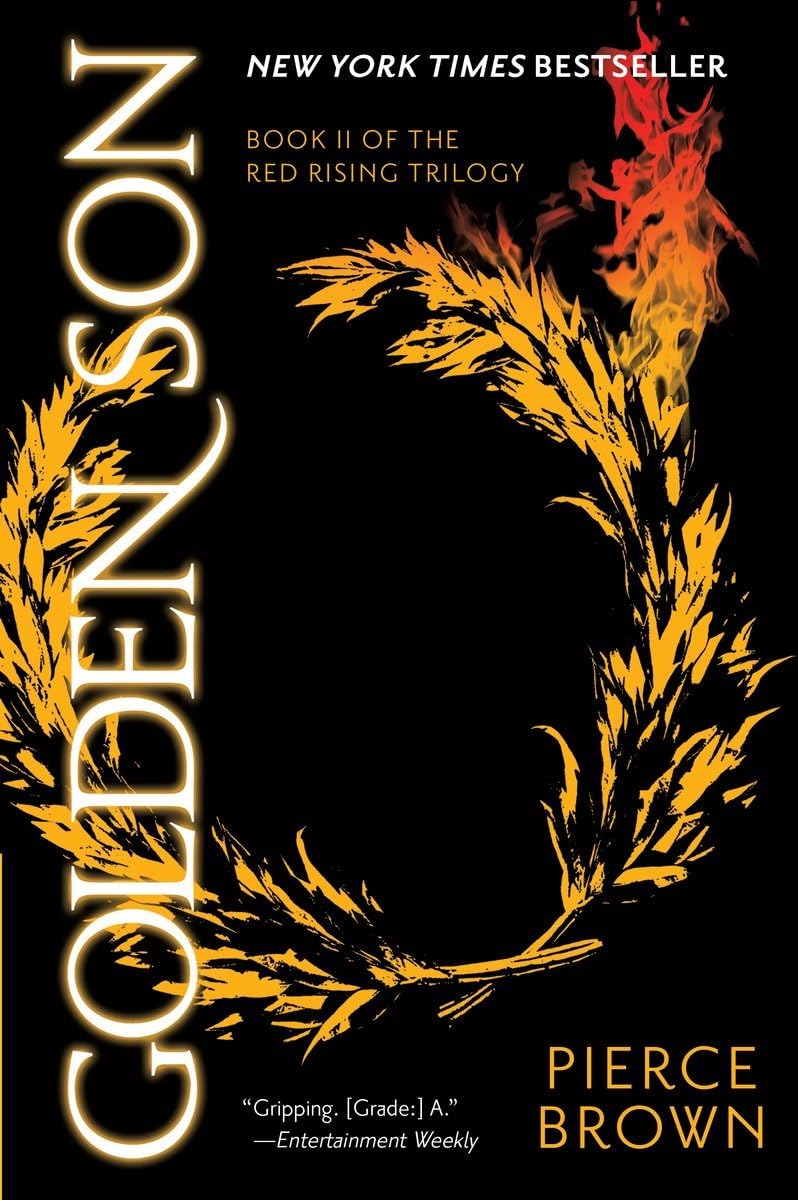
  • Golden Son — Released in 2015 as the second installment of the original trilogy, Golden Son follows Darrow as he navigates the deadly political alliances and military academies of the ruling Golds, escalating his clandestine war to shatter the Society's caste system from its highest halls of power.
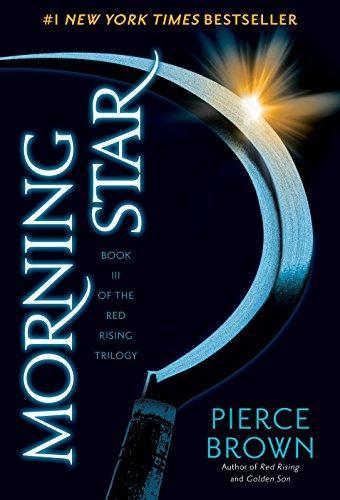
  • Morning Star — Published in 2016, Morning Star concludes the initial trilogy as Darrow and his allies launch a full-scale interstellar revolution across the solar system, risking everything to break the chains of tyrannical rule and secure freedom for all low castes.
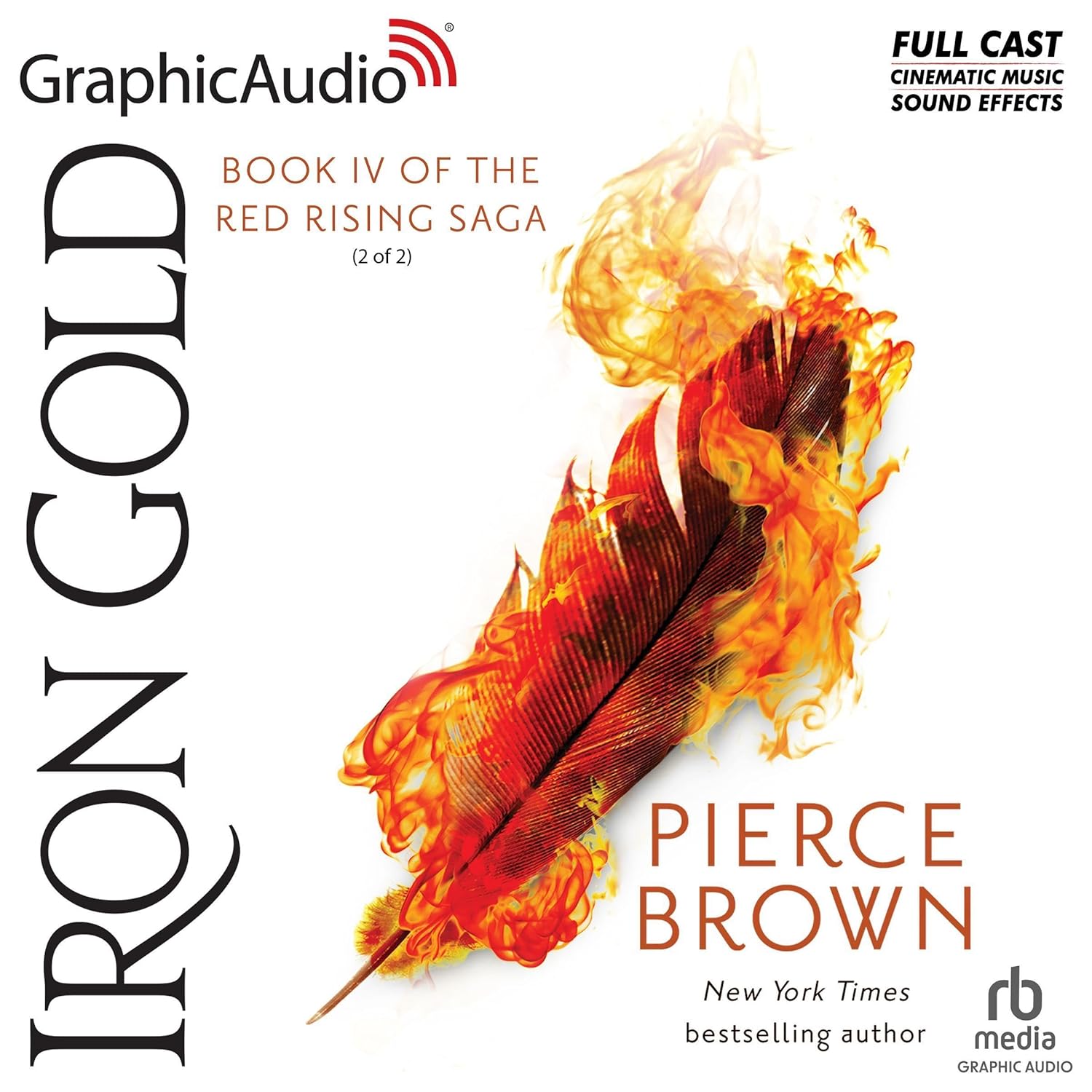
  • Iron Gold — Published in 2018, Iron Gold begins a new decade-later narrative arc that expands the perspective to multiple point-of-view characters, examining the fragile peace, rising corruption, and bitter insurgencies threatening the newly established Solar Republic.
  • Dark Age — Published in 2019, Dark Age continues the secondary arc with a harrowing portrayal of military escalation, political betrayal, and grim sacrifice as the forces of democracy fight a grueling war against ruthless counter-revolutionary factions.
  • Light Bringer — Published in 2023, Light Bringer (also referenced in local catalogs as Lightbringer) sees Darrow searching for redemption and unity across the solar system while facing formidable new enemies and alliances in the ongoing struggle for peace.
  • Iron Gold II — Representing a catalog volume in the extended sequence of the Red Rising Saga, Iron Gold II continues the multi-perspective exploration of the Solar Republic's ongoing military conflicts and internal political struggles.

§Featured Series

Red Rising Saga

Cover of Red Rising by Pierce Brown

Red Rising

Pierce Brown, 2014
Cover of Golden Son by Pierce Brown

Golden Son

Pierce Brown, 2014
Cover of Morning Star by Pierce Brown

Morning Star

Pierce Brown, 2016
Cover of Iron Gold by Pierce Brown

Iron Gold

Pierce Brown, 2018
Cover of Iron Gold II by Pierce Brown, H. Lenoir

Iron Gold II

Pierce Brown, 2018
Cover of Dark Age by Pierce Brown

Dark Age

Pierce Brown, 2019
Cover of Lightbringer by Pierce Brown

Lightbringer

Pierce Brown, 2022
Cover of Red God by Pierce Brown

Red God

Pierce Brown

§Other Editions

Showing 2 of 21 editions
Cover of Dark Age

Dark Age

engHardcoverFirst Edition
Hodder & Stoughton20199781473646766
Cover of Dark Age

Dark Age

engPaperbackReprint
National Geographic Books20199780425285961
§Genres
caste1dystopian1science fiction1space1war1young adult1
§Moods
challenging1emotional1fast-paced1inspiring1mysterious1
§Tags
#dystopia1#fantezie1#sci-fi1

Metadata

ISBN-139781473646766
ISBN-101473646766
ASINB07JWDD9DX

Editions and availability

Find Dark Age Pierce Brown in PDF, EPUB, ebook, audiobook, print, or library editions.

View on Amazon
Bookshop.orgGoogle Play BooksBarnes & NobleOpen Library

Featured In Lists

Book cover from this collectionBook cover from this collectionBook cover from this collectionBook cover from this collection
Book cover from this collection

Favorite Space Opera books

46 books