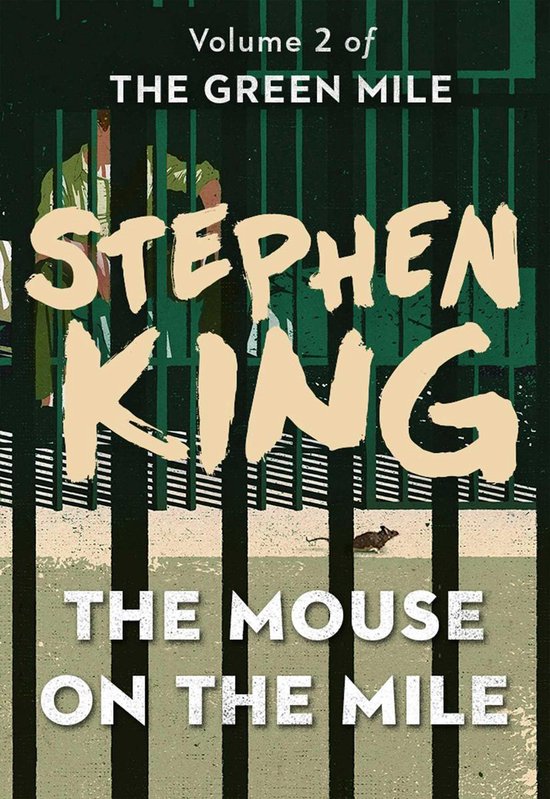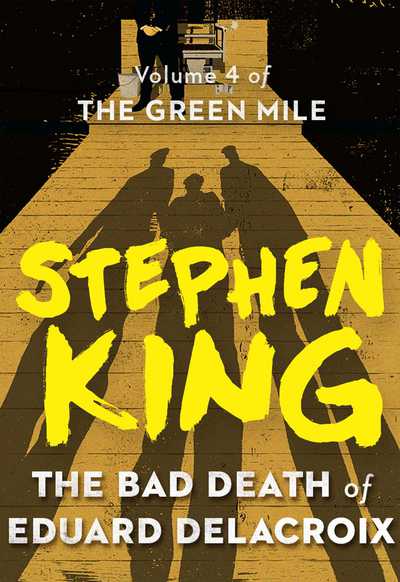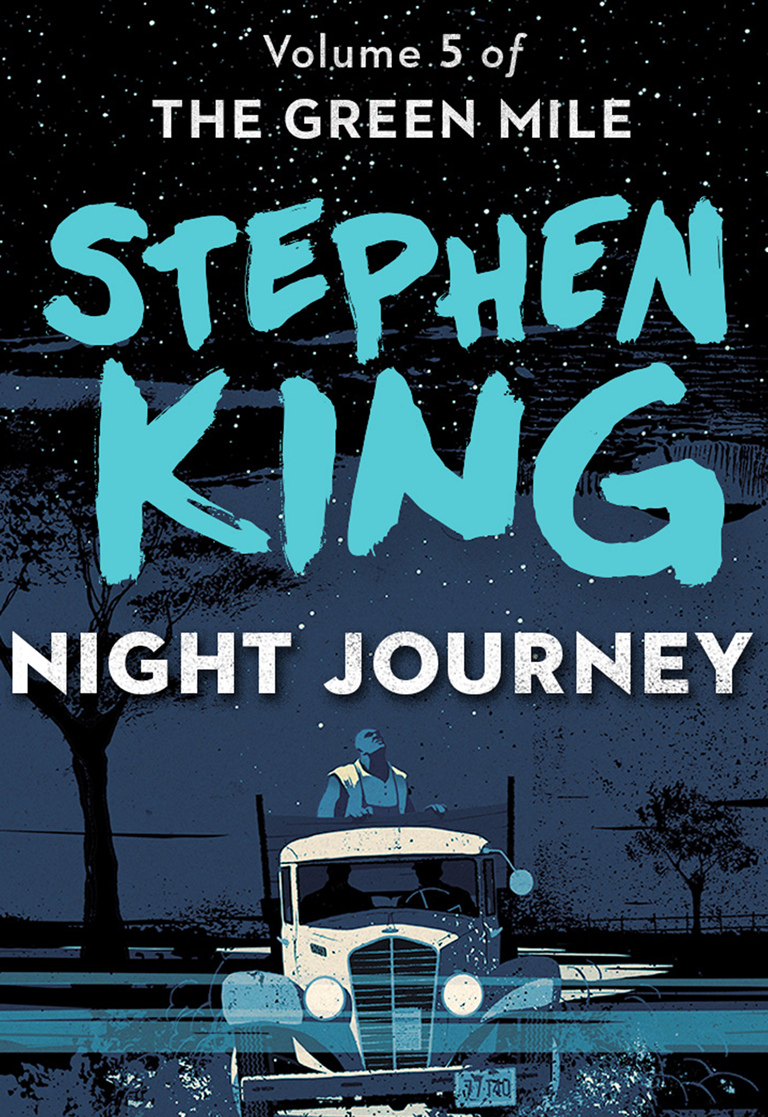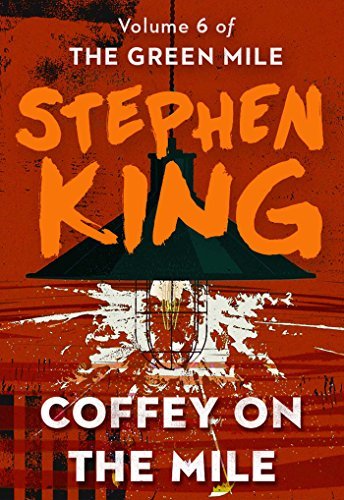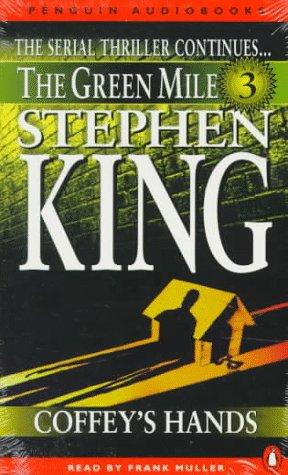

At Cold Mountain Penitentiary, the Green Mile represents the final stretch of existence for men whose lives have been reduced to a calendar date with "Old Sparky," the electric chair. Paul Edgecombe, the block superintendent, navigates this grim landscape not with the callousness one might expect, but with a weary, professional dignity intended to preserve the humanity of those waiting to die. However, during the stifling summer of 1932, the arrival of the massive, weeping John Coffey—convicted of a crime so heinous it defies logic—unsettles the established order of the Mile. Paul is forced to confront the limitations of his own understanding of guilt and innocence as he observes a man who seems entirely out of place in a world of violence.
As Paul struggles with a debilitating urinary infection that serves as a visceral reminder of his own physical vulnerability, the environment of E Block shifts from a place of quiet resignation to one of volatile tension. The introduction of the predatory and chaotic "Wild Bill" Wharton threatens the delicate peace Paul and his fellow guards work to maintain. Amidst this escalating friction, John Coffey remains a silent, enigmatic presence until a moment of physical crisis prompts him to reach through the bars. By intervening in Paul’s suffering through a touch that defies medical explanation, Coffey reveals a capability that transcends the mundane reality of the prison system. This encounter moves the narrative beyond the confines of a standard period drama, introducing a supernatural element that asks whether a place built for punishment can also be a site for the inexplicable.
The setting of the Green Mile is defined by its rigid, ritualistic atmosphere. King constructs a world where the rules are absolute and the stakes are final. The "Green Mile" refers to the linoleum-floored corridor that leads to the execution chamber, a physical space that symbolizes the transition from life to memory. The world-building focuses heavily on the sensory details of the Great Depression—the sweltering heat, the smell of pine oil, and the constant hum of electricity. It is an environment where the guards must balance their roles as executioners with a strange sort of pastoral care, ensuring that the condemned maintain their sanity until the very end. This creates a unique atmosphere of "professional mourning," where the machinery of death is handled with clinical precision and somber respect.
The character dynamics focus on the contrast between Paul Edgecombe’s empathetic leadership and the petty cruelty of Percy Wetmore, a guard protected by political connections. Paul’s arc is defined by his commitment to "the Mile" as a place of order and minimal suffering. His relationship with his colleagues—Brutus "Brutal" Howell, Dean Stanton, and Harry Terwilliger—is built on mutual trust and the shared burden of their occupation. However, the arrival of John Coffey disrupts Paul’s internal moral compass. Coffey is a massive man who possesses the mind of a child and an inexplicable fear of the dark, a paradox that Paul cannot reconcile with the brutal crime Coffey supposedly committed. Their developing relationship is one of silent observation and growing curiosity, as Paul begins to suspect that the man he is tasked with killing may possess qualities that are fundamentally incompatible with the nature of a murderer.
The narrative utilizes the "Gentle Giant" trope but complicates it by placing the character in the most unforgiving setting imaginable. While the story begins as a grounded piece of historical fiction, it subverts genre expectations by integrating the "Healer" archetype into a prison environment. The supernatural elements are not presented with spectacle, but as heavy, physical experiences that leave the characters—and the reader—questioning the nature of justice. By grounding the miraculous in the gritty reality of a 1930s death row, King explores the theological dilemma of why such a gift would be placed in the hands of a man condemned to die. The major conflict shifts from a struggle for physical survival to a deeper, moral investigation into the weight of the souls that Paul and his team are required to harvest.
At Cold Mountain Penitentiary, the Green Mile represents the final stretch of existence for men whose lives have been reduced to a calendar date with "Old Sparky," the electric chair. Paul Edgecombe, the block superintendent, navigates this grim landscape not with the callousness one might expect, but with a weary, professional dignity intended to preserve the humanity of those waiting to die. However, during the stifling summer of 1932, the arrival of the massive, weeping John Coffey—convicted of a crime so heinous it defies logic—unsettles the established order of the Mile. Paul is forced to confront the limitations of his own understanding of guilt and innocence as he observes a man who seems entirely out of place in a world of violence.
As Paul struggles with a debilitating urinary infection that serves as a visceral reminder of his own physical vulnerability, the environment of E Block shifts from a place of quiet resignation to one of volatile tension. The introduction of the predatory and chaotic "Wild Bill" Wharton threatens the delicate peace Paul and his fellow guards work to maintain. Amidst this escalating friction, John Coffey remains a silent, enigmatic presence until a moment of physical crisis prompts him to reach through the bars. By intervening in Paul’s suffering through a touch that defies medical explanation, Coffey reveals a capability that transcends the mundane reality of the prison system. This encounter moves the narrative beyond the confines of a standard period drama, introducing a supernatural element that asks whether a place built for punishment can also be a site for the inexplicable.
The setting of the Green Mile is defined by its rigid, ritualistic atmosphere. King constructs a world where the rules are absolute and the stakes are final. The "Green Mile" refers to the linoleum-floored corridor that leads to the execution chamber, a physical space that symbolizes the transition from life to memory. The world-building focuses heavily on the sensory details of the Great Depression—the sweltering heat, the smell of pine oil, and the constant hum of electricity. It is an environment where the guards must balance their roles as executioners with a strange sort of pastoral care, ensuring that the condemned maintain their sanity until the very end. This creates a unique atmosphere of "professional mourning," where the machinery of death is handled with clinical precision and somber respect.
The character dynamics focus on the contrast between Paul Edgecombe’s empathetic leadership and the petty cruelty of Percy Wetmore, a guard protected by political connections. Paul’s arc is defined by his commitment to "the Mile" as a place of order and minimal suffering. His relationship with his colleagues—Brutus "Brutal" Howell, Dean Stanton, and Harry Terwilliger—is built on mutual trust and the shared burden of their occupation. However, the arrival of John Coffey disrupts Paul’s internal moral compass. Coffey is a massive man who possesses the mind of a child and an inexplicable fear of the dark, a paradox that Paul cannot reconcile with the brutal crime Coffey supposedly committed. Their developing relationship is one of silent observation and growing curiosity, as Paul begins to suspect that the man he is tasked with killing may possess qualities that are fundamentally incompatible with the nature of a murderer.
The narrative utilizes the "Gentle Giant" trope but complicates it by placing the character in the most unforgiving setting imaginable. While the story begins as a grounded piece of historical fiction, it subverts genre expectations by integrating the "Healer" archetype into a prison environment. The supernatural elements are not presented with spectacle, but as heavy, physical experiences that leave the characters—and the reader—questioning the nature of justice. By grounding the miraculous in the gritty reality of a 1930s death row, King explores the theological dilemma of why such a gift would be placed in the hands of a man condemned to die. The major conflict shifts from a struggle for physical survival to a deeper, moral investigation into the weight of the souls that Paul and his team are required to harvest.
Add to your library to track progress and write reviews
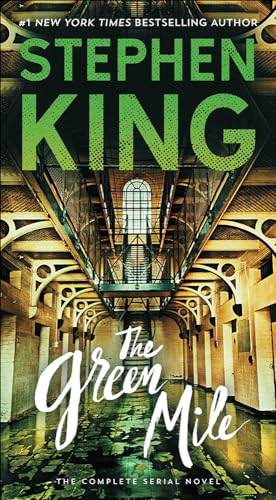
Find The Green Mile, Part 3: Coffey's Hands Stephen King in PDF, EPUB, ebook, audiobook, print, or library editions.
37 books in catalog
Translating primal human fears into meticulous descriptions of everyday American life has characterized a vast body of speculative fiction since the publication of Carrie in 1974. Stephen King expanded the boundaries of horror, suspense, and fantasy by embedding supernatural forces within detailed settings of small-town domesticity and working-class struggles. Across more than 60 novels, five non-fiction books, and upwards of 200 short stories, his bibliography blends high-concept terror with character-driven psychological realism. This extensive work serves as an archive of contemporary Americana, examining how personal trauma, community secrets, and institutional decay manifest as physical or otherworldly monsters.
By grounding extraordinary horrors in recognizable settings—often within his home state of Maine—Stephen King established a narrative model where human vulnerability remains as dangerous as any supernatural threat. Major novels such as The Shining, The Stand, and It demonstrate his ability to examine collective social anxieties while maintaining a tight focus on individual character arcs. His output extends across multiple literary categories, spanning hardboiled crime fiction, epic dark fantasy, science fiction, and non-fiction memoirs on the mechanics of writing.
Stephen Edwin King was born in Portland, Maine, on September 21, 1947, to Donald and Nellie Ruth Pillsbury King. Following his parents' separation during his toddler years, he and his older brother, David, were raised by their mother under modest financial circumstances. The family lived in Fort Wayne, Indiana, and Stratford, Connecticut, before returning permanently to Durham, Maine, when King was eleven years old so his mother could care for her aging parents. King attended the University of Maine, earning a Bachelor of Arts in English in 1970. Following graduation, he worked as a high school English teacher while selling short stories to commercial magazines to supplement his family's modest income.
The publication of his debut novel Carrie in 1974 marked a major turning point, enabling King to leave teaching and pursue writing full-time. Throughout the remainder of the 1970s and 1980s, he published a continuous stream of widely read novels, including 'Salem's Lot, The Shining, Pet Sematary, and The Stand. To test whether his commercial reception stemmed from authorial reputation or intrinsic storytelling merit, he released several books under the pseudonym Richard Bachman, including Rage and the works collected in The Bachman Books. The public discovery of his Bachman pen name confirmed his adaptability across genres ranging from dystopian thrillers to hardboiled crime and dark fantasy.
Over a literary career spanning more than five decades, King's books have sold over 400 million copies worldwide and inspired numerous feature film, television, and comic book adaptations. In addition to his horror fiction, he expanded into mystery and hardboiled detective writing with the Bill Hodges Trilogy, launched by Mr. Mercedes and continuing through later detective character studies such as Holly. He has maintained a prolific publishing schedule into his seventies, releasing story collections like You Like It Darker alongside extended serialized works, while residing primarily in his home state of Maine.
A central narrative technique in King's writing is the contrast between cozy domestic reality and intrusive supernatural dread. He builds narrative tension by establishing intimate details of small-town life—frequently setting stories in fictional Maine locations such as Castle Rock and Derry—using pop-culture references, brand names, regional dialects, and authentic dialogue. This hyper-realistic grounding ensures that when terrifying or abnormal phenomena occur, the emotional impact on characters and readers is heightened. Recurring thematic concerns include the innocence and vulnerability of childhood, the corrupting influence of power, the weight of personal secrets, and the social isolation of rural communities.
Beyond external monsters and supernatural forces, King frequently investigates the inner workings of the creative mind and the burdens of artistic creation. Protagonists in works like Misery and The Shining are often writers or creative figures confronting addiction, isolation, or the destructive side of their own imaginations. King systematically outlined his philosophy on craft and his personal career development in his non-fiction memoir On Writing, emphasizing clear prose, honest dialogue, and reliance on situation over rigid outlines. His stories consistently suggest that while external evil exists, human cruelty, neglect, and unresolved grief are equally destructive forces.
King has also made notable contributions to the novella form and multi-volume dark fantasy epics. His 1982 collection Different Seasons demonstrated his capability outside pure horror, featuring non-supernatural stories focused on human resilience, friendship, and institutional injustice. His interconnected fictional universe connects standalone horror novels like Christine and Cujo with expansive multi-book sagas, creating a shared mythology that spans decades of creative output.
37 books in catalog
Translating primal human fears into meticulous descriptions of everyday American life has characterized a vast body of speculative fiction since the publication of Carrie in 1974. Stephen King expanded the boundaries of horror, suspense, and fantasy by embedding supernatural forces within detailed settings of small-town domesticity and working-class struggles. Across more than 60 novels, five non-fiction books, and upwards of 200 short stories, his bibliography blends high-concept terror with character-driven psychological realism. This extensive work serves as an archive of contemporary Americana, examining how personal trauma, community secrets, and institutional decay manifest as physical or otherworldly monsters.
By grounding extraordinary horrors in recognizable settings—often within his home state of Maine—Stephen King established a narrative model where human vulnerability remains as dangerous as any supernatural threat. Major novels such as The Shining, The Stand, and It demonstrate his ability to examine collective social anxieties while maintaining a tight focus on individual character arcs. His output extends across multiple literary categories, spanning hardboiled crime fiction, epic dark fantasy, science fiction, and non-fiction memoirs on the mechanics of writing.
Stephen Edwin King was born in Portland, Maine, on September 21, 1947, to Donald and Nellie Ruth Pillsbury King. Following his parents' separation during his toddler years, he and his older brother, David, were raised by their mother under modest financial circumstances. The family lived in Fort Wayne, Indiana, and Stratford, Connecticut, before returning permanently to Durham, Maine, when King was eleven years old so his mother could care for her aging parents. King attended the University of Maine, earning a Bachelor of Arts in English in 1970. Following graduation, he worked as a high school English teacher while selling short stories to commercial magazines to supplement his family's modest income.
The publication of his debut novel Carrie in 1974 marked a major turning point, enabling King to leave teaching and pursue writing full-time. Throughout the remainder of the 1970s and 1980s, he published a continuous stream of widely read novels, including 'Salem's Lot, The Shining, Pet Sematary, and The Stand. To test whether his commercial reception stemmed from authorial reputation or intrinsic storytelling merit, he released several books under the pseudonym Richard Bachman, including Rage and the works collected in The Bachman Books. The public discovery of his Bachman pen name confirmed his adaptability across genres ranging from dystopian thrillers to hardboiled crime and dark fantasy.
Over a literary career spanning more than five decades, King's books have sold over 400 million copies worldwide and inspired numerous feature film, television, and comic book adaptations. In addition to his horror fiction, he expanded into mystery and hardboiled detective writing with the Bill Hodges Trilogy, launched by Mr. Mercedes and continuing through later detective character studies such as Holly. He has maintained a prolific publishing schedule into his seventies, releasing story collections like You Like It Darker alongside extended serialized works, while residing primarily in his home state of Maine.
A central narrative technique in King's writing is the contrast between cozy domestic reality and intrusive supernatural dread. He builds narrative tension by establishing intimate details of small-town life—frequently setting stories in fictional Maine locations such as Castle Rock and Derry—using pop-culture references, brand names, regional dialects, and authentic dialogue. This hyper-realistic grounding ensures that when terrifying or abnormal phenomena occur, the emotional impact on characters and readers is heightened. Recurring thematic concerns include the innocence and vulnerability of childhood, the corrupting influence of power, the weight of personal secrets, and the social isolation of rural communities.
Beyond external monsters and supernatural forces, King frequently investigates the inner workings of the creative mind and the burdens of artistic creation. Protagonists in works like Misery and The Shining are often writers or creative figures confronting addiction, isolation, or the destructive side of their own imaginations. King systematically outlined his philosophy on craft and his personal career development in his non-fiction memoir On Writing, emphasizing clear prose, honest dialogue, and reliance on situation over rigid outlines. His stories consistently suggest that while external evil exists, human cruelty, neglect, and unresolved grief are equally destructive forces.
King has also made notable contributions to the novella form and multi-volume dark fantasy epics. His 1982 collection Different Seasons demonstrated his capability outside pure horror, featuring non-supernatural stories focused on human resilience, friendship, and institutional injustice. His interconnected fictional universe connects standalone horror novels like Christine and Cujo with expansive multi-book sagas, creating a shared mythology that spans decades of creative output.
The Green Mile
The Green Mile